A Clutter-Free Home

Mukesh Kumar
| 27-11-2026
 · Lifestyle team
As the year-end season approaches, home storage can quickly become crowded with decorations, clothing, spare accessories, and everyday items that rarely get used. Closets become harder to organize, drawers fill up with forgotten objects, and even useful surfaces can disappear beneath unnecessary belongings.
Taking time to clear out a few categories before the busy season can make a noticeable difference. Rather than attempting to reorganize the entire home at once, start with items that take up space without serving much purpose. The goal is not to own as little as possible, but to make room for the things that genuinely support your daily routine.
1. Winter Clothing That No Longer Gets Worn
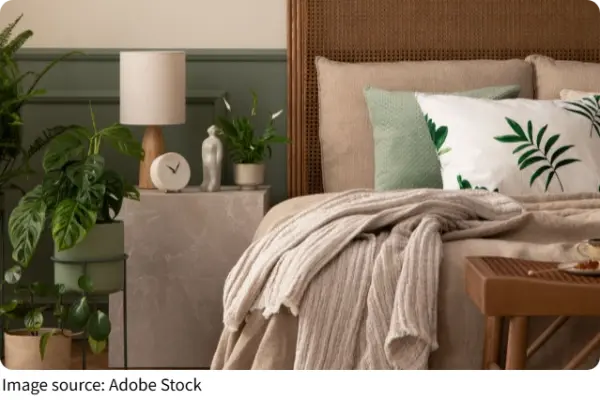
Seasonal clothing is a useful place to begin because wardrobes often contain pieces that have not been worn for several months. Sweaters, coats, and boots may remain in storage even when they no longer fit comfortably or suit your current preferences. Take everything out and review each item individually. Set aside clothing that is uncomfortable, damaged, or unlikely to be worn again. Pieces that remain in good condition can be donated rather than left untouched in the closet.
A practical approach is to follow a one-in, one-out rule. Whenever a new clothing item enters your wardrobe, consider letting go of something you no longer use. This helps prevent your storage space from becoming overcrowded again.
2. Seasonal Decorations You Will Not Display
Decorations can accumulate over several years, especially when they are packed away and rarely reviewed. Opening storage boxes may reveal ornaments, decorative accessories, or other items that have been forgotten. Before putting everything back, separate the pieces you genuinely want to use from those that no longer suit your home. There is little reason to keep decorations simply because they have been stored for a long time.
3. Excess Reusable Bags
Reusable shopping bags and tote bags are convenient, but collecting too many can create an unexpected storage problem. They often end up folded into drawers, placed inside cabinets, or piled together near an entrance. Choose a manageable number based on your usual shopping habits. Keep the bags that are sturdy, easy to carry, and regularly used. Remove damaged ones and consider giving away extra bags that are still in good condition.
4. Extra Bathrobes
Bathroom cabinets and bedroom closets can become crowded with duplicate household textiles. Bathrobes are one example of an item that may take up more space than necessary. Review how many you actually use and keep the ones that are comfortable and in good condition. Extra pieces that remain wearable can be donated.
Older robes made from towel-like fabric may also have another practical purpose. When they are no longer suitable for wearing, the material can sometimes be cut into cleaning cloths. This gives usable fabric a second function instead of immediately discarding it.
5. Partially Used Candles
Candles that have been used only once can easily accumulate on shelves and inside cabinets. While some may still be worth keeping, others might have been sitting untouched for a long time. Choose which ones you genuinely want to use and set a reasonable deadline for finishing them. Remove items that are no longer suitable for use.
6. Chargers and Unused Cables
Old electronic accessories are particularly easy to overlook. A drawer might contain charging cables for devices that have been replaced, adapters that no longer fit current equipment, or unidentified wires kept just in case. Gather everything in one place and check each cable. Keep the accessories that work with your current devices, along with any useful replacements you genuinely need.
7. Pens That No Longer Work
Stationery collections can grow without much notice. Colorful pens are appealing, so it is easy to keep buying new ones while older options remain scattered across desks and drawers. Test each pen before deciding what stays. Remove those that have dried out, leak ink, or no longer write properly. Group the working ones together so they are easier to access.
8. Spare Throw Blankets
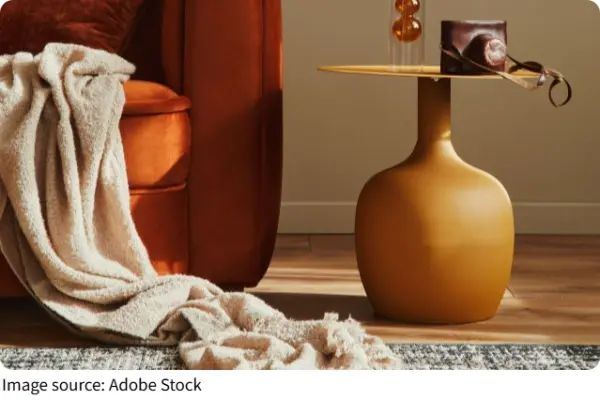
Extra blankets provide comfort, but keeping more than you regularly need can take up valuable closet space. Before storing seasonal belongings or other household items, review your collection. Choose the blankets you use most often and let go of extras that have remained untouched. Clean blankets in good condition can be donated to suitable local organizations.
Preparing a home for the year-end season does not require a complete makeover. With a little attention to overlooked corners, your living space can feel more organized and easier to manage as the season gets busier.