Laundry Problems Solved!

Eleanor
| 26-11-2026
 · Lifestyle team
Laundry can seem simple until familiar problems refuse to disappear. A shirt develops yellow marks after washing, towels become stiff, and sportswear keeps an unpleasant smell even after a full cycle. Adding more detergent or repeating the same wash does not always solve the issue. Sometimes, the better approach is to understand what causes the problem and choose a treatment that suits the fabric.
Laundry enthusiasts and cleaning specialists have been sharing science-based advice to improve everyday washing. Their recommendations show that small adjustments, careful product choices and regular machine maintenance can make a noticeable difference.

Choose Detergent for the Stain
Not every stain responds to the same cleaning method. Enzyme-based detergents can be useful because different enzymes work on different types of residue. Some are designed to break down protein-based marks, while others help remove oily substances.
For ordinary cooking oil stains, a paste made from bicarbonate of soda and water may help loosen the affected area before washing. Leave it on for a limited period, then use a suitable detergent according to the garment's care instructions. Treating a mark early is important because older stains can become more difficult to remove.
Black marks from bicycle chains or machinery need a different approach. They may contain stubborn grease and dirt that ordinary washing cannot easily lift. A suitable pre-treatment product designed for the fabric is a better starting point than applying an unfamiliar household chemical.
Give Tomato Marks Some Sunlight
Tomato-based stains can leave noticeable red or orange marks, even after a normal wash. One reason is lycopene, the natural pigment responsible for the colour of tomatoes. A useful approach is to deal with any oily residue first using a small amount of washing-up liquid and water. After washing, allow the garment to dry in sunlight when its care instructions permit. Ultraviolet light can gradually break down the pigment, helping the remaining colour fade.
Deal with Deodorant Marks Carefully
White or yellowish marks around the underarm area can become difficult to remove when deodorant residue builds up over time. The fabric may also become stiff, making the affected section uncomfortable to wear. Some laundry advice recommends oxygen-based stain removers for this problem. However, leaving a treatment on coloured fabric for too long can cause unwanted fading. Always follow the product instructions and test it on a hidden area first.
Citric acid is another treatment discussed by laundry specialists. It may help loosen certain mineral deposits associated with deodorant products. However, its suitability depends on the garment, so checking the care label and testing carefully are important steps.
Why Sunscreen Can Leave Yellow Marks
Sunscreen stains can be especially frustrating because they sometimes remain after several washes. Certain ultraviolet filters, including avobenzone, can interact with metal ions and produce yellow discolouration on fabric. Ordinary detergent may not remove the resulting mark completely. Specialist rust-removal products are sometimes suggested because they can address the metal-related part of the stain. However, the colour may return when the garment dries if the residue has not been fully removed.
Bring Stiff Towels Back to Life
Towels that feel rough or rigid may have detergent residue trapped between their fibres. Hard water can contribute to the problem because minerals in the water interact with washing products and remain in the fabric. Using more detergent is not necessarily the answer. In fact, reducing the amount to match the load and water conditions may help prevent further buildup. Fabric softener can also reduce towel absorbency by leaving a coating on the fibres.
Remove Persistent Odours
Sportswear sometimes retains an unpleasant smell even when it looks clean. Sweat residue, skin oils and bacteria can collect in synthetic fibres, allowing odours to return when the material becomes warm. A regular wash may not always remove the buildup. Some specialised laundry boosters contain enzymes designed to break down substances that help residue cling to fabric. Using an appropriate product alongside normal detergent may improve the result.
Keep the Washing Machine Clean
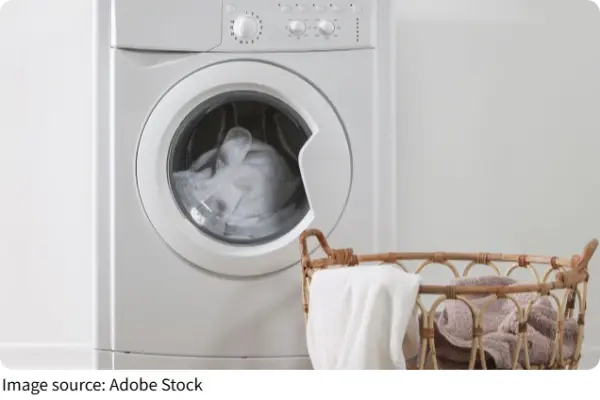
A washing machine can become a source of unpleasant smells when detergent residue, lint and moisture accumulate inside it. The rubber door seal and drain filter deserve particular attention because debris can collect in both areas. Running the machine's recommended cleaning cycle regularly can help maintain its condition.
Better laundry results do not always require stronger products or more frequent washing. Understanding why stains form, using suitable treatments and keeping the machine clean can make everyday clothing care more effective.
It is equally important to protect the fabric. Check care labels, use cleaning products as directed and avoid unnecessary high-temperature cycles. A thoughtful routine can help clothes and household textiles remain comfortable and useful for longer.