Riverbank Crocodiles

Tessa
| 24-11-2026
 · Lifestyle team
Hi, Lykkers! Malaysia’s rivers, mangroves, and coastal wetlands are home to fascinating wildlife, including crocodiles.
Often spotted resting along muddy riverbanks or moving quietly through the water, these ancient reptiles play an important role in maintaining healthy aquatic ecosystems.
The phrase “Buaya Riverbank Smile” offers an engaging way to explore the presence of crocodiles in Malaysia, highlighting their natural behaviour, habitats, and relationship with the surrounding environment.
Understanding Malaysia’s Crocodiles
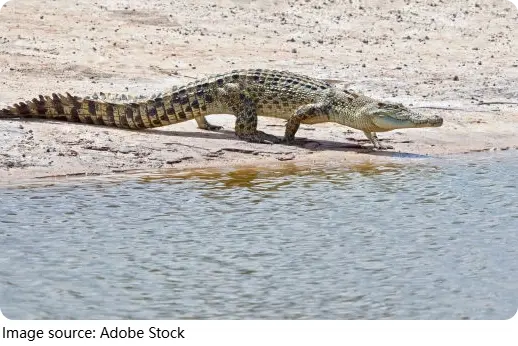
Malaysia is home to several crocodilian species, with the saltwater crocodile (Crocodylus porosus) being particularly well known. This powerful reptile inhabits coastal waters, estuaries, mangrove forests, and some river systems. Its ability to tolerate different levels of salinity allows it to move between freshwater and marine environments.
Crocodiles have distinctive physical features that make them well adapted to aquatic life. Their streamlined bodies help them move efficiently through water, while strong tails provide propulsion. Their eyes and nostrils are positioned near the top of the head, allowing them to observe their surroundings and breathe while most of the body remains submerged.
Despite their impressive appearance, crocodiles are not constantly active hunters. They often spend long periods resting, regulating their body temperature, or waiting quietly for suitable feeding opportunities.
The Importance of Riverbank Habitats
Riverbanks provide valuable resting and nesting areas for crocodiles. Muddy shores and sandy stretches allow these reptiles to bask in the sunlight, helping regulate their body temperature. Nearby vegetation can also provide shelter and support a variety of other wildlife.
Mangrove ecosystems are especially important because they connect freshwater and saltwater environments. Their tangled roots create habitats for fish, and other aquatic organisms, contributing to a complex food web. Crocodiles occupy an important position within this system as predators that help influence the balance of animal populations.
Protecting riverbanks and mangroves therefore benefits more than crocodiles alone. Healthy wetlands support birds, fish, reptiles, and numerous plant species while helping reduce coastal erosion and maintain water quality.
Why Crocodiles Appear to Smile
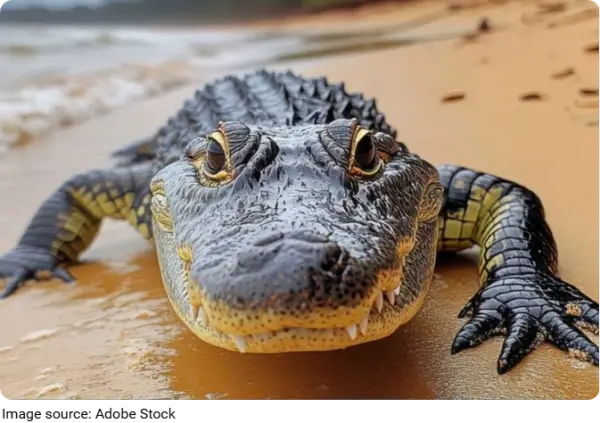
One interesting feature of crocodiles is their broad mouth, which can create the impression of a permanent smile when closed. Their visible teeth and textured face scales make this appearance particularly distinctive.
However, this expression does not indicate friendliness or happiness. Crocodiles are wild predators with powerful jaws and should always be observed from a safe distance. Understanding this difference helps visitors appreciate their appearance without underestimating their behaviour.
Photography enthusiasts may find crocodiles fascinating subjects, especially when they are resting along riverbanks. Nevertheless, approaching them for a closer photograph is never advisable.
Responsible Wildlife Observation
Seeing a crocodile in its natural habitat can be an unforgettable experience, but safety must remain the priority. Visitors exploring rivers, wetlands, and mangrove areas should follow several precautions:
- Keep a considerable distance from the water's edge in areas where crocodiles may be present.
- Follow local warning signs and instructions from wildlife authorities or experienced guides.
- Never attempt to feed, touch, approach, or provoke a crocodile.
- Avoid swimming in waterways known to contain crocodiles.
- Keep pets and children away from potentially dangerous riverbanks.
- Use binoculars or a camera with a zoom lens instead of approaching wildlife.
For those interested in learning more, guided wildlife excursions can offer opportunities to understand crocodile habitats and behaviour without disturbing the animals. Before booking, check local safety guidelines, seasonal conditions, and the operator's wildlife protection practices.
Protecting Malaysia’s River Wildlife
Crocodiles are an important part of Malaysia's natural heritage. Their presence reflects the ecological value of rivers, mangroves, and wetlands that support diverse wildlife. However, habitat degradation, pollution, and changes to natural waterways can affect the long-term health of these ecosystems.
Visitors can contribute by avoiding littering, respecting protected areas, and supporting responsible nature tourism. Local conservation programmes and wildlife education initiatives also help communities understand why these reptiles deserve protection.
The idea of a “Buaya Riverbank Smile” captures the curiosity inspired by encountering a crocodile in the wild. Beyond its distinctive appearance, this remarkable animal represents the complexity of Malaysia's aquatic ecosystems. With responsible observation and greater environmental awareness, river habitats can remain valuable spaces for wildlife and future generations.