Austria Alpine Parks

Isla
| 16-11-2026
 · Travel team
Austria's national parks reveal a remarkable variety of landscapes within a relatively small country. Towering Alpine peaks, ancient forests, dramatic river valleys, wetlands and open grasslands create very different settings for outdoor activities.
Whether you prefer a challenging mountain walk or a gentle route through woodland, there is a protected area worth adding to your itinerary. The country's six national parks also offer a useful way to experience Austria beyond its well-known cities and mountain resorts.

Hohe Tauern National Park
Stretching across Carinthia, Salzburg and Tyrol, Hohe Tauern is Austria's largest national park and one of the most impressive mountain regions in the Alps. Its landscape includes rugged peaks, glaciers, green mountain pastures and deep valleys.
The park is home to Grossglockner, which rises to 3,798m and is Austria's highest mountain. Another major attraction is the Pasterze Glacier, the longest glacier in the Eastern Alps. Visitors can also make time for Krimml Waterfalls, where water cascades down a series of dramatic drops.
Kalkalpen National Park
In Upper Austria, Kalkalpen protects one of the country's largest remaining areas of old-growth forest. Its landscape is defined by extensive woodland, limestone formations, mountain ridges and hidden valleys. The park covers approximately 208 sq km, with the Reichraminger Hintergebirge and Sengsengebirge ranges forming important parts of its scenery. Walking routes include shorter circuits suitable for a relaxed day outside, as well as longer paths through the forested landscape.
Austria
Gesäuse National Park
Located in Styria, Gesäuse is known for its striking combination of steep limestone mountains and the River Enns. Established in 2002, it is Austria's youngest national park and covers approximately 121 sq km. The river creates a dramatic centrepiece as it moves through a narrow valley surrounded by mountain slopes. The Reichenstein, Buchstein and Hochtor massifs add to the impressive scenery, making the area especially appealing to hikers and photographers.
There are nearly 500km of marked routes within the park. Visitors can choose shorter themed walks or attempt more demanding mountain journeys. The Gesäuse Hüttenrunde is a longer hut-to-hut route covering approximately 110km and usually requiring around a week.
Donau-Auen National Park
For a completely different landscape, Donau-Auen follows a free-flowing section of the Danube between Vienna and Bratislava. Its floodplain environment includes waterways, meadows, wetlands and riverside forests. Unlike Austria's mountainous parks, this area is relatively flat, making it suitable for relaxed walks and cycling along designated routes. Several paths follow the river, while others pass through woodland and quieter sections of the floodplain.
Canoeing and kayaking are also possible in selected waterways, offering another way to appreciate the landscape. Because water levels can change, visitors should check local conditions before planning activities close to the river.
Neusiedler See-Seewinkel National Park
Southeast of Vienna, Neusiedler See-Seewinkel offers a landscape shaped by shallow lakes, reed beds, open meadows and distinctive saltwater pools. It sits where the Alpine foothills meet the wide Pannonian plain, giving the park a noticeably different character from the western mountain regions.
The open terrain makes it particularly suitable for gentle walks and cycling. One of its most interesting natural features is the area's soda pools, which are shallow bodies of water formed in the distinctive local environment. From July to October, sea aster flowers can add colour to the meadows.
Thayatal National Park
Austria's smallest national park, Thayatal, is located in the north near the Czech border. Although it covers less than 14 sq km, its landscape is varied, with the winding Thaya River surrounded by forested hills and green valleys. The river's many bends create attractive viewpoints, while the surrounding woodland provides a peaceful setting for walking.
Entrance Fees and Planning
A major advantage of Austria's national parks is that general access to their natural areas is free. However, visitor centres, exhibitions, guided programmes, transport and special activities may have separate charges. For example, the National Park Worlds exhibition in Mittersill, associated with Hohe Tauern, charges €15.
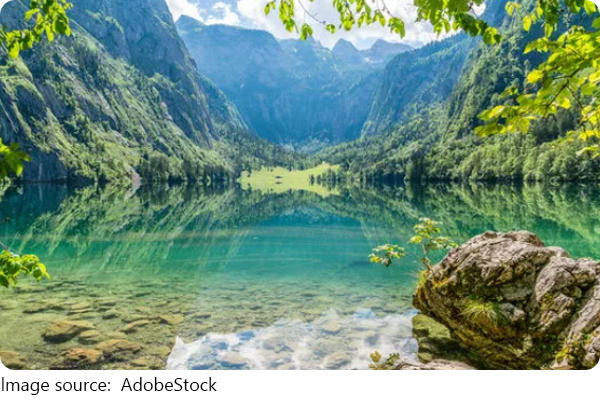
Whether you are drawn to towering mountain peaks, peaceful woodland paths or wide-open wetlands, Austria has a national park to match your travel style. From the dramatic scenery of Hohe Tauern to the calm riverside setting of Donau-Auen, each destination offers a different reason to spend time outdoors.