Spring Styling That Works

Isla
| 12-11-2026
 · Lifestyle team
Spring decoration does not require replacing furniture or filling every surface with seasonal objects. You can create a noticeable change by adjusting a few elements that affect color, texture, light, and everyday function.
For Lykkers, a useful approach is to work with what you already have, then add fresh flowers, lighter textiles, and a small number of decorative pieces. Each addition should still leave the room comfortable to clean, walk through, and use.
Refresh the Room in Small Steps
Start with the places you notice most often, such as the bedside table, dining table, entry console, or coffee table. Updating one or two focal areas usually requires fewer objects and makes routine maintenance simpler.
Clear the surface before decorating
Remove everything from the chosen surface and clean it first. Put back the items you actually reach for during an ordinary week, then assess the remaining space.
On a bedside table, that might mean reserving room for a phone, reading material, water, or glasses before adding decorative pieces. Keeping roughly one-third of a small surface visually open is a useful starting point rather than a strict design rule.
Choose two or three spring colors
A limited palette makes separate objects easier to combine.
Soft pink, fresh green, cream, pale blue, and natural wood tones are straightforward options, but you do not need all of them. Choose one main neutral, one seasonal color, and perhaps one smaller accent.
You can repeat these through flowers, cushion covers, a lightweight throw, ceramics, or artwork instead of purchasing several matching decorations.
Bring in fresh flowers strategically
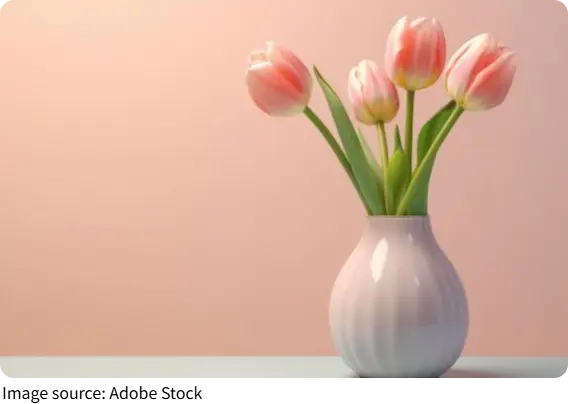
Tulips are useful for a simple spring arrangement because a small bunch already provides color and height.
Start with a clean vase and remove foliage that would sit below the water line. Trim suitable stem ends with clean floral cutters and add fresh water. Tulip stems continue changing position after arranging, so leave enough room for their natural movement rather than trying to maintain a rigid shape.
Check the water daily and replace it when it becomes cloudy.
Match the vase to the stems
A vase that is too short may allow flowers to spread widely, while an extremely tall vessel can hide much of the stems.
As a practical starting point, test a vase measuring around one-half to two-thirds of the visible flower-and-stem height. This is a styling reference rather than a fixed requirement.
A moderately narrow opening can also support tulip stems while allowing some natural movement.
Change textiles instead of furniture
You can alter the seasonal appearance of a bedroom or living room by changing removable textiles.
Consider lighter cushion covers, a breathable throw, or a lighter bed layer where the local temperature makes that comfortable. Cotton and linen-based textiles are common options, although fabric weight and weave affect the actual feel more than the fiber name alone.
Store clean off-season textiles in a dry place instead of keeping every layer in the room.
Make Spring Decor Easy to Live With
Once the basic colors are established, concentrate on placement. A useful arrangement should survive normal activities rather than looking good only immediately after styling.
You can test every decorative area by asking whether it remains easy to clean, reach, and move around.
Use a tray for movable arrangements
A tray can group a vase and a few small objects while making the arrangement easier to relocate.
This works particularly well on a coffee table or large bedside surface. Keep enough space between objects to lift each one safely, and check that the tray remains stable after the vase is filled with water.
If the tray becomes heavy, move the individual objects separately.
Vary height instead of adding quantity
Three objects at different heights often create more visual structure than a large collection of similarly sized pieces.
For example, combine a taller flower arrangement, one medium decorative object, and one low item. You can create this variation with objects you already own rather than continually adding new decor.
Keep taller pieces away from locations where they could obstruct a window, screen, light switch, or sightline.
Work with daylight carefully
Notice where natural light reaches the room during the day before deciding where decorations belong.
Opening curtains or blinds can brighten an interior, but direct sunlight may also heat cut flowers and fade some textiles or artworks over time. Position delicate objects according to their material and care requirements.
For cut flowers, a bright location away from prolonged direct sun and strong heat is generally more practical.
Leave walking routes unchanged
Floor decoration should not make normal movement awkward.
Keep baskets, plant stands, and decorative objects outside regular routes between the bed, doorway, seating, and storage. Pay particular attention to narrow rooms where even a small object can reduce useful clearance.
If you repeatedly need to step around an item, move it somewhere else.
Keep water away from vulnerable surfaces
Fresh flowers introduce water into areas that may normally remain dry.
Place the vase on a suitable waterproof coaster or tray when the furniture is moisture-sensitive. Dry the vase exterior after refilling it and wipe spills promptly.
Keep water-filled arrangements separated from electrical devices, charging equipment, and cables.
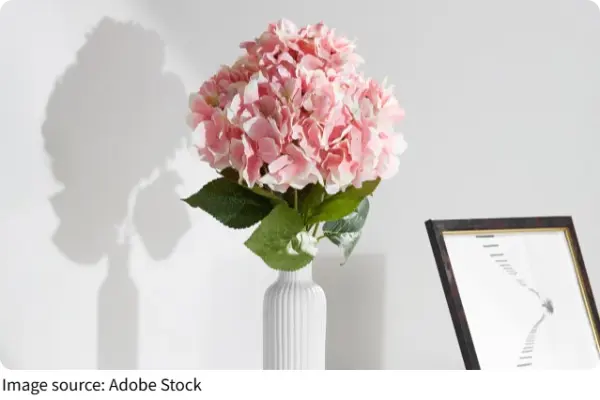
A practical spring refresh can begin with one clear surface, two or three coordinated colors, fresh flowers, and lighter textiles. Keep daily-use space open, protect furniture from vase water, preserve normal walking routes, and remove decorative pieces that make everyday routines harder.