How to Dry Laundry Outdoors

Adrian
| 12-11-2026
 · Lifestyle team
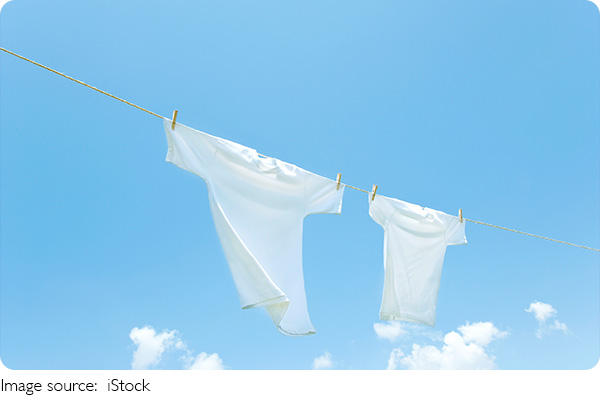
Hanging freshly washed clothes outside lets them dry without running a dryer. But getting a load to dry evenly takes more than putting everything on a line and waiting.
The weather and the way you hang each item affect both how quickly it dries and how well it holds its shape and color.

Choose the Right Weather Conditions
Sunny weather may seem like the obvious choice, but sunlight is not the only factor that determines drying speed. Moving air helps because it carries moisture away from the surface of damp fabric. A breezy, cloudy day can sometimes be more suitable than a hot afternoon with very little airflow.
Check the forecast before hanging a load. If rain is due before heavier items are likely to dry, leave room on an indoor rack so you can move them under cover.
Use Sunlight Carefully
Sunlight can help laundry dry, but prolonged exposure can fade some textile dyes. The change can be especially noticeable on dark and brightly colored garments.
For colored clothing, choose a shaded or partly shaded location. Turning garments inside out helps shield the visible surface from direct light. For items hung in the sun, bring them in as soon as they're dry rather than leaving them exposed until the rest of the load is ready.
Match the Method to the Fabric
Check the care label before hanging an unfamiliar garment. It may specify line drying, drying flat, or keeping the fabric out of direct sunlight. A horizontal line inside a square means to lay the garment flat instead of hanging it.
Use hangers that support the shoulders of shirts and T-shirts. If you use clips instead, attach them along the side seams or lower edges rather than at the shoulders. Turn trousers and jeans inside out and clip them securely at the waistband, leaving the leg openings clear so air can circulate.
Lay heavier sweaters and other knitted garments flat on a clean drying rack. The weight of the wet fabric can pull a knit out of shape if it hangs vertically.
Spread towels out rather than bunching them on a short section of the line. Give the thicker edges room to dry. Arrange sheets across several sections of a drying rack or over a sturdy clothesline. Avoid folding them into several layers, since the fabric inside the folds can stay damp.
Leave Enough Space Between Items
Garments on a crowded clothesline have less room for air to circulate. When damp pieces overlap or press tightly against one another, the covered sections take longer to dry. Hang larger items first, then arrange smaller garments in the remaining spaces without letting them touch.
Reduce Stiffness and Wrinkles
Cotton towels sometimes feel firmer after air-drying than after a cycle in the dryer. Even when the cotton feels dry, some water can remain bound to the fibers. That water helps the fibers cling together, making the fabric stiffer.
Shake each garment gently before hanging it. Straighten collars, sleeves, and hems so they don't dry with creases already in them. If a cotton towel feels stiff when you take it off the line, give it a shake before folding it.
Keep Laundry Clean and Dry
Leaving laundry out overnight can undo some of the day's drying. Dew can settle on fabric that was already dry, so bring the load in before evening if you can.
Damp fabric can pick up pollen and dust from the surrounding air. Choose a clean place for the line or rack, away from dusty surfaces and anything that might drop debris onto the load.
Before folding the load, feel inside waistbands, cuffs, and pockets for damp spots. If any of those areas still feel damp, leave those items on the rack rather than putting them away with the dry ones.