Kayaking Skills Guide

Mei
| 12-11-2026
 · Lifestyle team
Kayaking is an enjoyable outdoor activity that combines movement, balance, and coordination. Whether you're crossing a quiet lake or exploring a gentle river, learning the basic techniques can make the trip more comfortable.
Good kayak control starts before the boat moves. A comfortable setup makes it easier to paddle steadily and steer without rushing. Beginners can practice these skills separately before putting them together on an outing.
Choose the Right Sitting Position
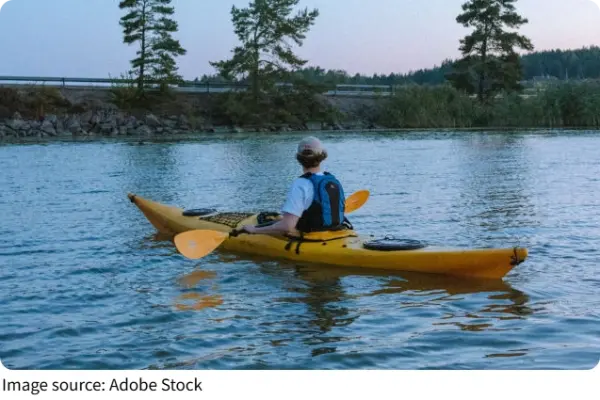
Sit in the center of the seat with your back supported by the backrest. Keep your knees slightly bent and place your feet against the footrests.
Keep your upper body upright without becoming stiff. A balanced position distributes your weight evenly and makes the kayak easier to control. Before launching, adjust the seat and footrests so that you can sit upright without stretching to reach the supports.
Check that the seat and footrests are secure before launching. Once on the water, avoid leaning too far forward or backward, especially when the water is moving.
Learn How to Hold the Paddle
Place both hands around the shaft, slightly wider than shoulder width. Keep your grip light, your elbows slightly bent, and your wrists relaxed so your arms can move freely.
Hands positioned too close together can restrict movement, while an overly wide grip may make the paddle difficult to control. Check the blade orientation before launching. On some paddles the blades are angled relative to each other, so follow the manufacturer's setup instructions.
Enter the Kayak Safely
Put on a properly fitted personal flotation device before getting in. Position the boat in shallow, calm water or at a suitable launch. Take your time getting aboard, since sudden shifts in weight can make the kayak rock.
Hold the kayak steady, place one foot near the center of the cockpit, and keep your weight low. Support yourself with your hands while slowly bringing your other leg inside. Once seated, place your feet against the footrests.
Master the Forward Paddling Technique
Place one paddle blade in the water near your feet, close to the side of the boat. Rotate your torso as you draw the blade back alongside the kayak instead of relying entirely on your arms.
Lift the blade out when it reaches your hip, then repeat on the opposite side. Aim for a steady rhythm rather than speed. In a two-person kayak, agree on a rhythm before setting off so the paddles don't hit each other.
Practice Turning and Changing Direction
To turn left, put the right paddle blade in the water near the front of the kayak. Sweep it outward in a wide curve toward the back. To turn right, make the same movement on the left.
Use shorter paddle movements when you only need to adjust your direction rather than make a full turn. Look toward the place you want to go and let your head and shoulders follow naturally.
Improve Balance and Stability
A kayak may rock slightly when you change position or encounter small waves. Stay relaxed and keep your weight centered rather than leaning over the side in response to every movement.
A paddle brace uses the flat face of the blade against the water for temporary support. Learn it under supervision in calm conditions rather than trying it for the first time when you feel unsteady. Practice getting out and recovering the kayak after a capsize before attempting more challenging routes.

For your first outing, check the weather before leaving and choose a short route on calm, familiar water. Pick a turnaround point before you launch so you can spend the session practicing rather than deciding how far to go.
Kayak Lesson for Beginners: How to Paddle a Kayak Tips
Video by blueplanetsurf