Smart Entryway Setup!

Tessa
| 12-11-2026
 · Lifestyle team
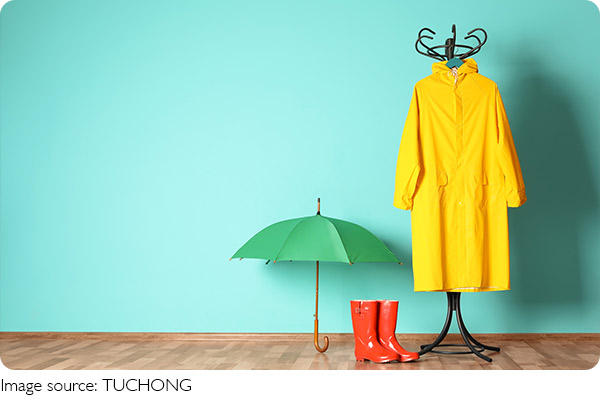
A rainy day can leave an entryway looking messy within minutes. Muddy footwear gathers near the door, damp jackets drip onto the floor, and school backpacks end up piled in a corner.
Apart from making the entrance untidy, trapped moisture can damage surfaces and create unpleasant smells. The solution is not necessarily a complete mudroom renovation. With a few well-planned storage arrangements, an ordinary entryway can become a practical place for handling wet outdoor belongings while keeping the rest of the home cleaner.
1. Create a Mudroom-Style Area
A dedicated mudroom is convenient, but not every home has enough space for one. An unused section of wall near the entrance can serve the same purpose. Professional organizer Lucy Milligan Wahl explains that an open wall with enough room for people to walk past can be adapted into a functional mudroom area.
Start by identifying where household members naturally leave their shoes, jackets, and bags. Positioning storage close to the entrance makes it easier to put belongings away immediately after coming inside. The arrangement should also allow enough room for people to remove wet footwear without blocking the doorway.
A simple system is often more useful than complicated built-in furniture. A few hooks, a suitable shoe area, and enough open space for damp items can make everyday arrivals less chaotic. For families with children, assigning individual spaces can also make it easier for everyone to manage their own belongings.
2. Give Wet Boots a Separate Place
Wet footwear needs special attention because water and mud can quickly spread across an entryway. Puddles left on hardwood floors may cause staining or damage, while persistent moisture can encourage mold and mildew. Leaving muddy shoes scattered near the entrance also makes the area harder to clean.
One practical solution is to place an absorbent mat or water-resistant boot tray beside the front door. This gives everyone a clear spot to remove shoes before walking farther into the house. If several pairs need to be accommodated, the tray can be positioned beneath a shoe rack, provided there is enough room for the footwear.
Ventilation is particularly important. Milligan Wahl advises against putting wet boots straight into a closed cabinet because moisture and dirt can remain trapped inside. Instead, choose an open arrangement that gives shoes enough space to dry. Once they are completely dry, they can be moved to more enclosed storage if desired.
3. Hang Damp Coats on Spaced Hooks
Rain-soaked jackets can leave water marks on floors and nearby furniture when they are not stored properly. Placing them directly inside a coat closet may seem like an easy way to clear the entrance, but damp fabric needs time to dry. Enclosing wet garments can lead to musty odors.
Wall-mounted hooks offer a more suitable temporary solution. Hang each jacket separately, leaving enough distance between garments for air to circulate. Avoid crowding several coats onto one small hook, as overlapping fabric can remain damp for longer.
4. Keep Wet Backpacks Out of Closed Storage
Backpacks often come home damp after rainy school days, particularly when children have been walking between classrooms, vehicles, and outdoor areas. Putting a wet bag directly into a cupboard or enclosed storage unit can trap moisture and encourage mildew. Leaving it on the floor, however, creates another source of clutter.
Hooks provide a straightforward way to keep backpacks off the ground while allowing them to air-dry. Choose sturdy hooks that can support the weight of the bags, and position them where children can reach them comfortably. Giving each child an individual hook also reduces the chance of bags being piled together.
5. Keep the System Easy to Maintain
An effective entryway arrangement should work with the household's everyday habits. Storage that is difficult to reach or requires too many steps is less likely to stay organized. Keep the most frequently used items near the entrance and avoid filling the area with belongings that are rarely needed.
Make sure wet items have enough room to dry before moving them into permanent storage. Boots should not be stacked while damp, coats should have space between them, and backpacks should not be left in enclosed compartments when wet.
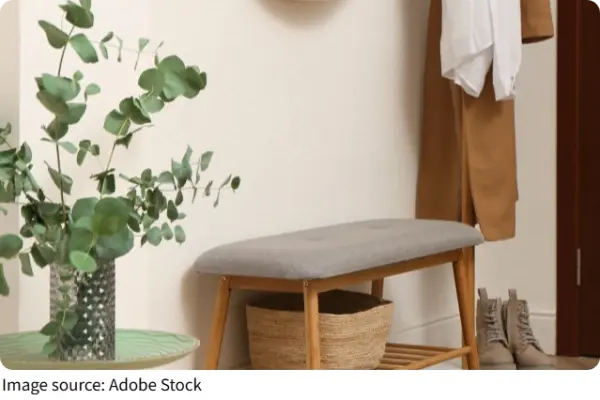
Managing wet-weather belongings does not require a large renovation or a dedicated mudroom. A water-absorbent tray for boots, well-spaced hooks for damp coats, and separate hanging spots for backpacks can make an ordinary entryway much easier to manage. The most important principle is to give wet items room to dry before placing them in enclosed storage. With a simple routine and clearly assigned spaces, the entrance can remain more orderly even when rainy weather becomes part of everyday life.