How to Store Cut Pumpkin

Finnegan Flynn
| 11-11-2026
 · Cate team
Pumpkins are versatile and easy to use in everyday cooking. From creamy soups to soft cakes and rice dishes, this vegetable can become part of many satisfying meals.
But buying a whole pumpkin often means having more than you can use at once. The best way to store the rest depends on when you need it and how you plan to cook it.
Refrigeration works for short-term storage, while drying and freezing let you set some aside for later. You can freeze pumpkin in pieces or as a puree.
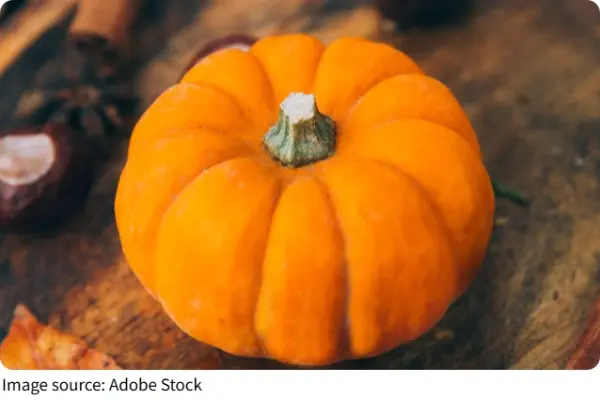
Wrap and Refrigerate
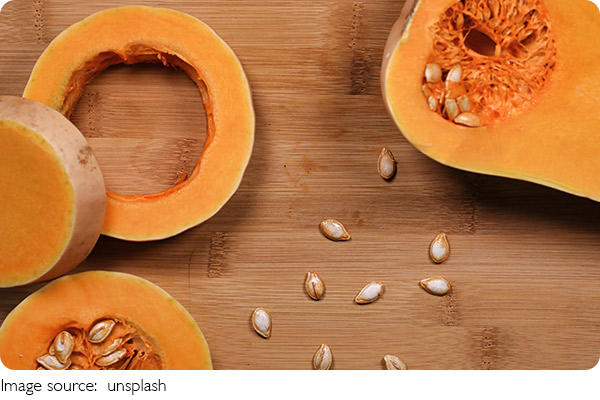
First, remove loose seeds and stringy pulp from the cut surface. Pat the surface dry, then cover the exposed area with plastic wrap. This helps keep the surface from drying out. If you cut the pumpkin into smaller pieces, put them in a clean container with a tight lid.
Refrigerate the wrapped pumpkin promptly and use it soon. Before cooking, check the cut surface for mold, an unpleasant odor, or other signs of spoilage. If you notice any of these, discard the pumpkin rather than cutting away the affected area or tasting it.
Skip the salt. A light sprinkle is not a reliable way to preserve cut pumpkin and can change the flavor near the cut surface. If you want to season the pumpkin, wait until you cook it.
Dry Pumpkin Slices
Peel the pumpkin, remove the seeds and stringy pulp, and cut the flesh into slices. Use a food dehydrator rather than leaving the slices in the sun. Follow tested directions specifically for pumpkin, including how thick to cut the slices, how to prepare them, and how to tell when they are dry.
Arrange the slices separately on the drying trays so they do not overlap. Once the slices are fully dry, let them cool before packing them in airtight bags. Store the bags in a cool, dry place and keep them sealed to protect the pumpkin from moisture.
When needed, soak the slices in water until softened. They can then be added to soups, stir-fried dishes, and other cooked meals. Take out only what you plan to use, and reseal the bag before putting it away.
Steam and Freeze
Rinse the pumpkin under running water before peeling. Remove the seeds and cut the flesh into small chunks. Steam them until they are soft enough to pierce easily with a fork. Smaller chunks cook more quickly, so aim for pieces of similar size. Cool the cooked pumpkin promptly in a shallow container.
You can leave the chunks whole or mash them into a smooth puree. Think about what you normally cook before deciding how to pack the pumpkin. Puree is handy for porridge and blended soups, while chunks are easier to add to dishes where you want distinct pieces.
Divide the prepared pumpkin into portions sized for the dishes you plan to make. Use freezer bags and press out excess air before sealing them. Label each bag with the preparation date and whether it contains chunks or puree, so you can pick the right bag without opening it.
Stir-Fry and Freeze
If you plan to use the pumpkin in a rice dish or another meal that calls for diced vegetables, you can cook the pieces in a pan instead of steaming them. Peel and seed the pumpkin, cut the flesh into small cubes, and stir-fry them in a little cooking oil until tender.
Cool and pack the cooked cubes as you would the steamed pieces. If the rice or other dish will continue cooking after the pumpkin goes in, add the thawed cubes near the end so they do not break up as you stir.
If a dish calls for thawed pumpkin, move the bag to the refrigerator the night before. Set it on a plate to catch any drips.