News Overload Stress!

Maya
| 02-11-2026
 · Lifestyle team
Staying informed can feel important, especially for people living far away from their home country or family members. Following news updates can help them feel connected to familiar places and understand situations affecting people they care about.
However, when reading articles and watching videos becomes an all-day activity, the emotional pressure can become difficult to manage. The situation may also affect relationships, particularly when one partner feels increasingly disconnected from the other.
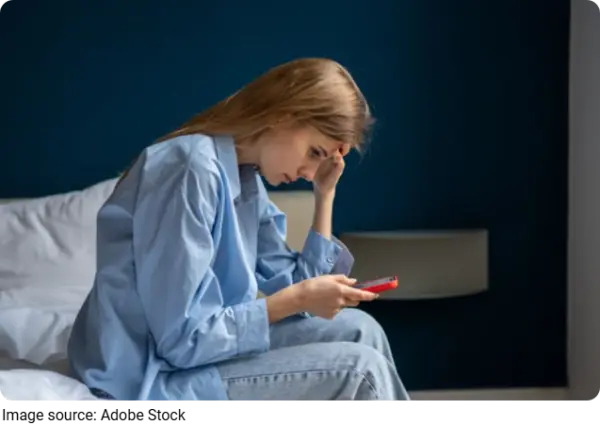
When Following the News Becomes a Daily Habit
For some people, checking news updates is no longer an occasional activity. It can become something they do throughout the day, whether they are eating, relaxing, watching a movie, or having a conversation. This habit may be particularly strong among people who live far from their home country. Staying updated can provide a sense of connection, especially when they still have relatives and close relationships in another place.
However, constantly moving between videos, articles, and opinion pieces can make it difficult to enjoy ordinary moments. Even unrelated conversations may eventually return to distressing subjects. The challenge is not necessarily that someone cares too much about what is happening. Rather, they may struggle to separate staying informed from continuously exposing themselves to upsetting information.
Understanding the Emotional Pressure
Constant exposure to difficult news can create a cycle of stress. Someone might feel worried after reading an upsetting article, search for additional information to understand the situation, and then encounter even more troubling updates. Over time, this pattern can leave little room for relaxation. The person may feel mentally exhausted but continue checking their device because stepping away creates discomfort or concern about missing something important.
There is also a feeling that caring about serious situations requires constantly paying attention to them. This can make taking a break seem irresponsible, even when someone clearly needs rest. However, emotional awareness does not have to mean remaining distressed throughout the day. Protecting personal well-being can help people maintain the energy and attention needed to support the things that matter to them.
Explain How the Habit Affects Your Relationship
When one partner becomes overwhelmed by constant news consumption, the other may also experience emotional difficulties. Shared meals, entertainment, and conversations can become less enjoyable when attention repeatedly returns to a phone or upsetting topic. In some relationships, the affected partner may feel lonely even when both people are spending time at home. Frustration can gradually develop, particularly when previous requests to reduce screen time have not helped.
Instead of insisting that someone stop following the news for their own benefit, it may be more effective to explain how the situation affects the relationship. For example, expressing that interrupted conversations create distance or that spending evenings without meaningful interaction feels lonely can make the concern easier to understand.
Turn Emotional Concern Into Positive Action
Another useful approach is to replace endless information consumption with constructive activities. Rather than asking someone to stop caring about difficult situations, encourage them to consider what they can practically do about the issues that concern them. This might include volunteering, supporting community projects, helping people nearby, or regularly participating in activities with others.
Taking practical steps can create a stronger sense of purpose than repeatedly reading upsetting information without knowing how to respond. Even small contributions can provide opportunities to connect with others and recognize that personal efforts have value. These activities can also help someone spend more time outside the house, develop supportive relationships, and experience positive moments.
Make Room for Time Away From Screens
Healthy boundaries can help couples reconnect without requiring anyone to abandon their interests. Start with simple agreements, such as putting phones away during meals, enjoying a movie without interruptions, or setting aside part of the evening for conversation.
It may also help to establish specific periods for checking updates rather than returning to them throughout the day. This creates a clearer separation between information time and personal time. Couples can introduce enjoyable activities together, including cooking, walking, playing games, or working on shared projects.
Caring about distant family members and staying informed can be meaningful, but constant exposure to distressing information can gradually affect emotional well-being and relationships. The solution is not necessarily to stop following the news. Instead, couples can focus on communicating honestly, protecting their shared time, and turning concerns into constructive activities.

As Eleanor Gordon-Smith's advice in The Guardian suggests, redirecting emotional distress toward practical action can be more helpful than endlessly consuming information. Finding that balance allows people to remain engaged with what matters while preserving their energy, personal happiness, and connections with loved ones.