Natural Green Living

Yuna
| 06-11-2026
 · Lifestyle team
Indoor plants are more than simple decorations. They bring natural colors, interesting shapes, and a relaxing atmosphere into everyday living spaces.
Whether placed beside a sofa, on a shelf, or in an empty corner, the right greenery can make a room feel more welcoming. With thoughtful selection and creative arrangements, even a few plants can transform an ordinary home into a refreshing environment.
Choosing Plants for Different Rooms
Each room has different conditions, so consider lighting, humidity, and available space before choosing plants.
In an entrance area, a compact plant creates a pleasant first impression. Shade-tolerant varieties are suitable for spaces with limited daylight. In the living room, larger leafy plants look attractive beside sofas or cabinets, while smaller pots can decorate coffee tables and shelves.
Kitchens often experience heat and humidity changes. Hardy herbs can be practical choices when sufficient natural light is available. Keep them away from excessive heat and cooking splashes.
For bedrooms, choose small leafy varieties that create a peaceful atmosphere without occupying too much space. In a study, simple green foliage can make the surroundings more comfortable. Bathrooms may suit humidity-tolerant plants, provided they receive enough light and ventilation.
Five Creative Arrangement Techniques
The way plants are displayed can be just as important as the varieties themselves.
First, create different heights. Combine tall floor plants with medium-sized pots and smaller tabletop varieties. Shelves, stools, and plant stands help introduce layers and prevent the arrangement from looking flat.
Second, try a triangular composition. Position one taller plant in a corner and place two smaller plants on nearby surfaces. This creates a balanced visual arrangement.
Third, consider leaf density. Plants with thick foliage can make a small room feel crowded, while varieties with open branches create a lighter appearance.
Fourth, choose one distinctive plant as a focal point. A large specimen with unusual leaves can become an attractive feature without requiring additional decoration around it.
Finally, use vertical space. Hanging baskets, wall-mounted containers, and elevated shelves are excellent options for smaller homes where floor space is limited.
Large Plants for Spacious Interiors
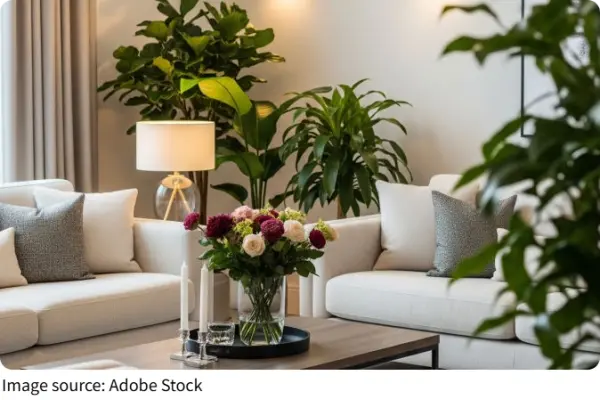
Large plants, generally around 80 centimeters or taller, work well in spacious living rooms and empty corners.
Monstera deliciosa is popular for its broad leaves with distinctive openings. Dracaena varieties offer upright shapes that complement contemporary furniture. Olive trees, with their slender branches and muted green foliage, suit minimalist interiors.
Before purchasing a large plant, consider its mature size, available light, and distance from surrounding furniture.
Medium Plants for Extra Layers
Medium-sized varieties, often around 40 to 80 centimeters tall, help connect larger floor plants with smaller decorative pieces.
Snake plants have upright leaves and a neat appearance. They suit living rooms, bedrooms, and shelves, and generally prefer well-drained soil with moderate watering.
Caladiums offer colorful foliage that introduces variety into neutral interiors. They need suitable warmth and humidity, so check local growing conditions before choosing them.
Small Plants for Decorative Corners
Small plants are ideal for desks, windowsills, bookshelves, and compact displays.
Pilea peperomioides, commonly known as the Chinese money plant, has round leaves and a compact shape. Cacti and succulents offer different forms and textures, making them suitable for creative combinations.
Trailing pothos and small rubber plants are other options worth considering. When displaying several varieties together, choose plants with similar light and watering requirements.
Simple Care for Healthy Growth
Good plant care begins with understanding individual needs. Some varieties prefer bright, indirect light, while others tolerate lower-light conditions.
Check the soil before watering instead of following a fixed daily schedule. Choose containers with drainage holes to prevent excess moisture from collecting around the roots.
Regularly remove dry leaves, clean dusty foliage, and leave enough space between containers for air circulation. These small habits help maintain an attractive and healthy indoor collection.
Final Thoughts
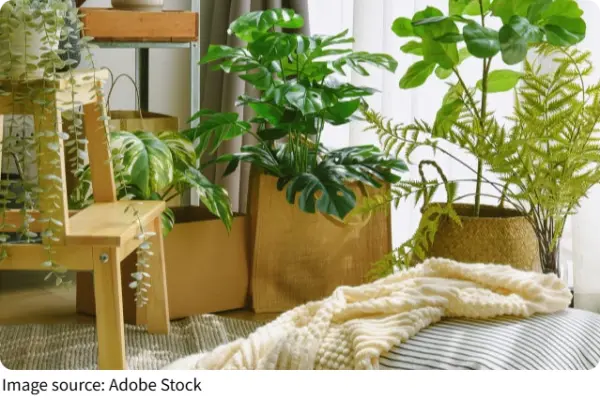
Indoor greenery brings natural beauty and personality into a home. Whether you prefer one impressive floor plant or several small decorative varieties, thoughtful placement makes a noticeable difference. Start with plants that suit your space and daily routine, then gradually build an arrangement that reflects your personal style. A little greenery can make everyday surroundings feel more comfortable and inviting.