Electric Motorcycle Tips

Chandan Singh
| 16-10-2026
 · Automobile team
Electric motorcycles combine responsive acceleration, quiet operation, and convenient charging.
A rewarding riding experience begins with understanding your motorcycle, managing its battery efficiently, and adapting your technique to road and weather conditions.
With thoughtful preparation and consistent riding habits, you can make daily journeys smoother, more efficient, and easier to plan.
Build Essential Riding Skills
Choose a Secure Parking Position
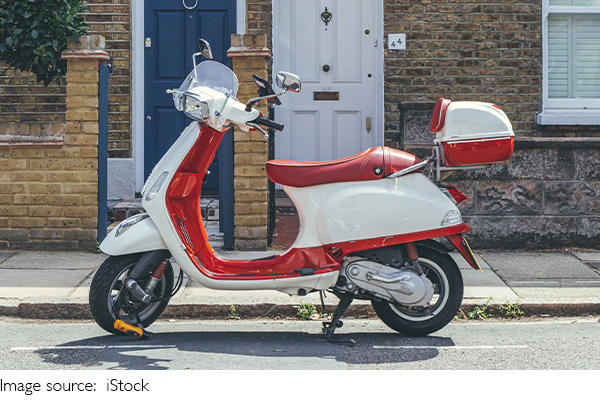
Select a firm, stable surface that allows you to park and move off comfortably. Consider the slope, available space, and motorcycle weight, particularly when carrying luggage.
Extend the side stand fully and confirm that it supports the motorcycle securely before letting go. On softer ground, use a suitable stand support to distribute the load.
Control Acceleration Smoothly
Electric motorcycles can deliver strong torque from low speeds, making precise throttle control essential. Apply power progressively when moving away, navigating tight turns, or riding on slippery surfaces.
Practise in a suitable, low-traffic area to become familiar with the motorcycle's acceleration and handling. Learn how its regenerative braking settings influence deceleration, and adjust your technique accordingly.
Manage Battery Range and Charging
Understand Your Riding Range
The distance an electric motorcycle can travel on one charge depends on several factors, including speed, acceleration, passenger and luggage weight, terrain, temperature, and weather.
Monitor energy consumption during regular journeys to understand how your riding habits affect range. Use the dashboard estimate as a guide rather than an absolute guarantee.
Before setting off on a longer trip, check the battery level, map compatible charging locations, and reserve sufficient energy for detours or unexpected changes in your route.
Plan Charging Efficiently
Choose charging stops that suit your motorcycle's connector, charging capability, and travel schedule. Charging time depends on battery capacity, charger output, battery temperature, and the motorcycle's maximum charging rate.
For everyday use, establish a convenient charging routine that meets your travel needs. Follow the manufacturer's instructions for charging, storage, and battery care.
Inspect charging equipment regularly and use suitable electrical connections. Allow enough time for charging stops, particularly when travelling through areas with limited charging facilities.
Adapt to Road and Weather Conditions
Keep Your Helmet Visor Clear
A clean visor supports clear vision and helps you identify road markings, surrounding traffic, and changes in the riding environment.
Clean the visor with suitable products and a soft microfiber cloth. If fogging occurs, use the helmet's ventilation system and a compatible anti-fog insert where appropriate.
Make adjustments while stationary so you can maintain attention on the road when moving.
Ride Smoothly on Wet Surfaces
Rain changes available grip, especially on painted road markings, metal covers, smooth repair patches, and polished surfaces.
Look ahead to identify these areas early. Reduce speed when needed, increase following distance, and apply the brakes, throttle, and steering smoothly.
Where practical, cross slippery surfaces with the motorcycle relatively upright and avoid abrupt changes in direction or speed. During the early stages of rainfall, remain particularly attentive to changing road conditions as water mixes with dust and residue.
Maintain Control in Crosswinds
Crosswinds can affect stability on bridges, open roads, and exposed stretches. Passing large vehicles can also create sudden changes in surrounding airflow.
Keep a relaxed grip, maintain a balanced riding position, and look ahead to anticipate changes in wind exposure. Use controlled steering inputs rather than sudden corrections, and adjust speed to suit the conditions.
Leave sufficient space around other vehicles, especially when approaching exposed sections of road or passing large vehicles.
Prepare for Longer Journeys
Longer rides benefit from a clear route and realistic energy estimates. Review the distance, elevation changes, expected weather, and available charging points before departure.
Allow for variations in energy consumption and identify alternative charging locations when practical. Check the motorcycle's battery level before leaving and plan stops that provide enough time to recharge.
Combining careful route preparation with smooth riding and consistent battery monitoring helps make longer journeys more predictable and comfortable.
Enjoy a Better Electric Riding Experience
Successful electric motorcycle riding depends on preparation, precise control, and awareness of your surroundings. Secure parking, progressive acceleration, sensible charging plans, clear vision, and appropriate responses to weather all contribute to a more rewarding journey.
By developing these habits and understanding your motorcycle's capabilities, you can enjoy efficient everyday travel and approach longer rides with greater confidence.