Automatic Gearbox Habits

Mukesh Kumar
| 15-10-2026
 · Automobile team
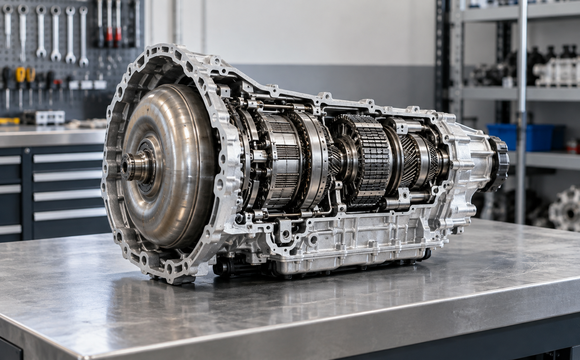
Automatic transmissions make driving easier, but they also create a common misunderstanding: because the car shifts gears for you, many drivers assume there is nothing left to learn. In reality, small habits have a direct impact on transmission wear, parking safety, fuel efficiency, and driving comfort.
Most mistakes happen during everyday situations such as parking, reversing, driving downhill, or towing. You do not need technical training to avoid them. You simply need to understand what happens inside the gearbox in those moments.
Stop Before Changing Direction
When switching between Drive and Reverse, bring the vehicle to a complete stop first. Changing direction while the car is still rolling forces internal clutch packs or gearsets to absorb unnecessary loads. Even a slow rolling speed increases wear over time.
Parking Brake First on Slopes
When parking on an incline, keep your foot on the brake, apply the parking brake firmly, then shift into Park before releasing the brake pedal.
This allows the parking brake to support the vehicle's weight instead of relying mainly on the parking pawl, the small metal lock inside the transmission. When leaving later, the gear selector is usually easier to move.
Stay in Drive Downhill
Some drivers believe shifting into Neutral on a descent saves fuel. Modern fuel-injected vehicles are generally designed to manage fuel delivery efficiently while remaining in Drive. Staying in gear also preserves engine braking, giving you better speed control on long descents. Always follow the recommendations provided for your specific model.
Go Easy on a Cold Engine
Modern engines do not require long warm-up periods while parked. Instead, begin driving gently after starting the engine and avoid aggressive acceleration until operating temperature stabilizes. Engine oil and transmission fluid protect moving components more effectively once properly warmed.
When Manual Modes Help
Many automatic vehicles include manual shift, paddle shifters, or low-range selections. These features can improve control during long descents, mountain driving, or when towing within the vehicle's rated capacity. Selecting a lower gear increases engine braking and reduces continuous brake use.
What Park Actually Does
Most transmission problems are not caused by a single event. They develop from repeated habits that seem harmless but gradually increase mechanical stress. Misusing Park is one of them.
Park locks the transmission output using the parking pawl. It is not designed to stop a moving vehicle. Never shift into Park until the vehicle has fully stopped. Doing so while moving may seriously damage transmission components.
Gentle Throttle When Parking
When parking in tight spaces, allow the vehicle to move slowly using idle speed whenever practical, adding only gentle throttle when necessary. This gives you finer control and reduces abrupt movements that make precise parking more difficult.
Watch for Unusual Behavior
Most automatic transmissions shift smoothly after reaching operating temperature. Repeated harsh shifts, delayed engagement after selecting Drive or Reverse, unexpected slipping, warning messages, or abnormal noises deserve inspection by a qualified technician. Early diagnosis often prevents more extensive repairs.
Follow the Fluid Schedule
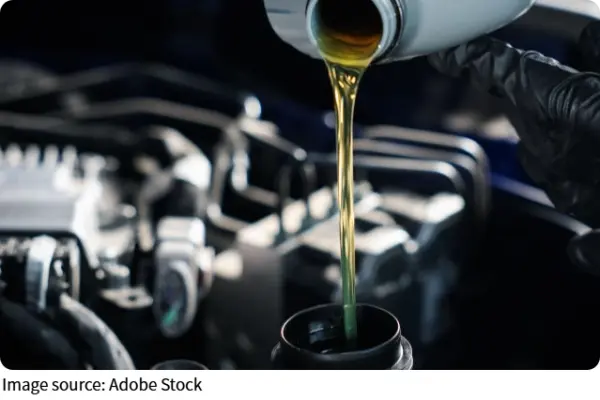
Not every automatic transmission has the same maintenance interval. Some manufacturers specify regular fluid replacement, while others provide different inspection schedules depending on operating conditions. Always use the fluid specification approved for your vehicle. Different transmission designs require different fluid properties, and using an incorrect product may affect performance or durability.
Use the Correct Towing Method
Some vehicles can be towed with all four wheels on the ground, while others require a flatbed or lifting the driven wheels. The correct method depends on drivetrain layout and transmission design.
Using the wrong towing procedure can damage internal transmission components even when the engine is not running. Check the owner's manual before arranging recovery.
When a Burning Smell Matters
After demanding driving, you may notice temporary odors from brakes or the engine compartment. However, a persistent burning smell, especially when accompanied by warning lights or abnormal shifting, should never be ignored. Stop in a safe location if necessary and have the vehicle inspected before continuing.
Automatic transmissions are engineered to provide years of dependable operation, but they respond directly to everyday driving habits. Lykkers, a practical way to start is to pick the one habit you skip most often, such as setting the parking brake before Park, and practice it until it becomes automatic.