Amazing Jackfruit Benefits

Arjun
| 15-10-2026
 · Cate team
Jackfruit stands out for its impressive size, golden-yellow flesh, and sweet tropical aroma.
Some fruits weigh more than 50 kilograms, making jackfruit one of the largest fruits to grow on a tree. Beyond its unusual appearance, it offers valuable nutrients and a remarkable range of culinary uses.
From refreshing fruit salads to savory vegetable dishes, jackfruit can bring flavor and variety to everyday meals. Understanding its nutritional qualities, different stages of ripeness, and preparation methods makes it easier to enjoy this versatile tropical fruit.
What Makes Jackfruit Unique?
Jackfruit grows on large evergreen trees in warm, humid climates. Its thick, green outer skin surrounds numerous edible pods, each containing a seed.
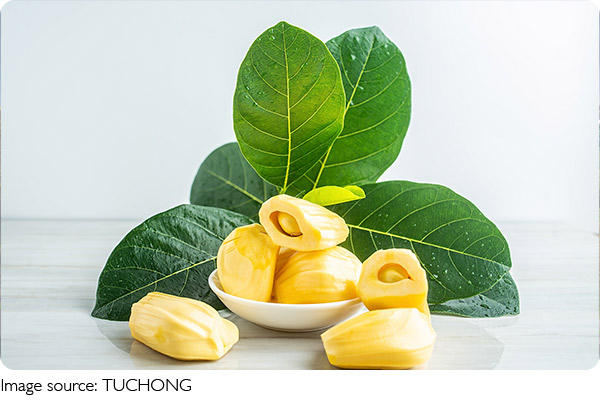
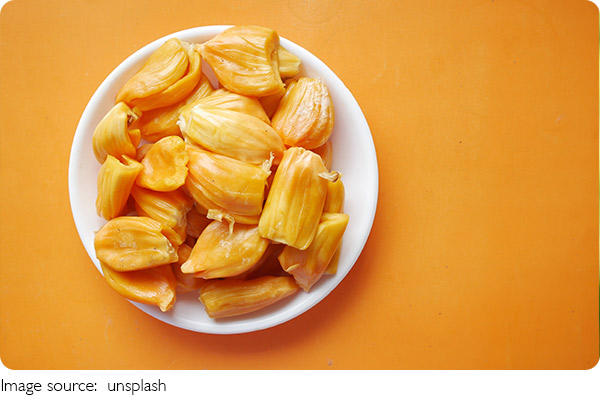
When ripe, the golden flesh is soft, sweet, and fragrant, with a flavor often compared to a blend of tropical fruits. It can be enjoyed fresh or added to smoothies, fruit salads, and desserts.
Young, unripe jackfruit has a firmer texture and a mild flavor. Its fibrous flesh readily absorbs seasonings, making it a useful ingredient in curries, stews, and other savory dishes.
Nutritional Benefits of Jackfruit
Jackfruit provides carbohydrates, dietary fiber, vitamin C, and potassium. Its precise nutritional content depends on ripeness, serving size, and preparation. These nutrients can contribute to a varied, balanced diet.
Contributes to Normal Immune Function
Jackfruit contains vitamin C, an essential nutrient involved in normal immune function and collagen production. Collagen helps maintain the structure of skin, blood vessels, and connective tissues.
The U.S. National Institutes of Health, Office of Dietary Supplements, explains that “vitamin C plays an important role in immune function.” Including jackfruit alongside other fruits and vegetables can help diversify nutrient intake.
Supports Digestive Regularity
The dietary fiber in jackfruit contributes to normal digestive function. Eating a variety of fiber-rich plant foods, together with adequate fluids, can help maintain regular bowel movements.
Provides Energy
Carbohydrates are the body's primary source of energy, and jackfruit supplies them in a naturally sweet fruit. Ripe jackfruit can be enjoyed as a snack or combined with other nutritious foods for a more varied meal.
Provides Potassium
Potassium supports normal muscle contraction, nerve signaling, and blood pressure regulation. Jackfruit contributes some potassium to the diet, although it should be combined with other nutrient-rich foods to meet overall nutritional needs.
Choosing Between Ripe and Unripe Jackfruit
The stage of ripeness determines jackfruit's flavor, texture, and best culinary uses.
Ripe Jackfruit
Ripe jackfruit has soft, yellow flesh and a pronounced sweetness. Enjoy it fresh, blend it into smoothies, or mix it into fruit salads and desserts. Its natural aroma and juicy texture make it especially suitable for sweet preparations.
Young, Unripe Jackfruit
Unripe jackfruit has a mild taste and a firm, fibrous texture. It absorbs herbs, spices, and sauces well, making it suitable for savory recipes in which the fruit takes on the surrounding flavors.
How to Prepare and Enjoy Jackfruit
Jackfruit is adaptable enough for snacks, drinks, and cooked meals.
- Fresh fruit: Enjoy ripe pods on their own or combine them with other fresh fruits.
- Smoothies: Blend ripe jackfruit with milk or a plant-based alternative.
- Fruit salads: Add the yellow flesh for natural sweetness and a soft, juicy texture.
- Savory meals: Cook young jackfruit with vegetables, herbs, and seasonings.
- Cooked seeds: Boil or roast jackfruit seeds until thoroughly cooked before eating.
Fresh jackfruit contains sticky latex that can cling to hands and utensils, so careful handling is useful during preparation. For convenience, jackfruit is also available canned, frozen, or dried. When choosing canned varieties, check the label to ensure the product suits your intended recipe.
Growing and Harvesting Jackfruit
Jackfruit trees flourish in tropical conditions and produce fruits directly from their trunks and larger branches. This distinctive growth pattern helps support the development of their unusually large fruits.
Because mature jackfruits can become very heavy, harvesting requires care to prevent injury and damage to the fruit. Their impressive size and distinctive appearance have helped make jackfruit a notable crop in tropical agriculture.
Enjoy Jackfruit as Part of a Balanced Diet
Jackfruit offers a distinctive combination of sweetness, texture, and culinary versatility. Its vitamin C, fiber, potassium, and carbohydrates make it a useful addition to a varied diet, while the differences between ripe and unripe fruit create opportunities for both sweet and savory dishes.
Choose the preparation that best suits your meal, and enjoy jackfruit alongside a variety of fruits, vegetables, and other nutritious foods. This approach allows you to appreciate its flavor while maintaining a balanced eating pattern.
Lykkers, which do you prefer: the sweetness of ripe jackfruit or the savory versatility of young jackfruit?