Living Room Flow

Claire
| 12-10-2026
 · Lifestyle team
A beautiful living room is not defined by expensive furniture or perfect styling.
The most comfortable spaces are planned around everyday routines, making it easy to relax, entertain guests, read, or simply move through the room without obstacles.
By focusing on layout, lighting, storage, and decoration together, you can create a living room that looks balanced while remaining practical throughout the year.
Design Around Daily Life
Before choosing decorations, make sure the room works well for everyday activities. A functional layout often has the greatest impact on comfort.
Identify the room's primary purpose
Every living room serves different needs. Some are mainly used for conversation, while others become places for reading, watching films, working on a laptop, or spending time with family. Decide which activity happens most often, then arrange the furniture to support it.
For example, if conversation is the priority, position seating so people naturally face one another. If reading is more important, create a dedicated corner with comfortable seating and good lighting.
Create comfortable traffic paths
People should be able to walk naturally through the room without moving chairs or walking around large furniture. Leave enough open space between major pieces so movement feels effortless.
Avoid placing side tables or decorative objects where they narrow walkways. Even a visually attractive layout becomes inconvenient if people frequently bump into furniture.
Choose furniture that fits the room
Large furniture is not always better. Measure your available floor area before buying a sofa, coffee table, or storage cabinet.
A useful approach is to leave visible floor space around larger furniture. Open areas make the room feel brighter and prevent it from appearing crowded, even when several furniture pieces are present.
Use one focal point
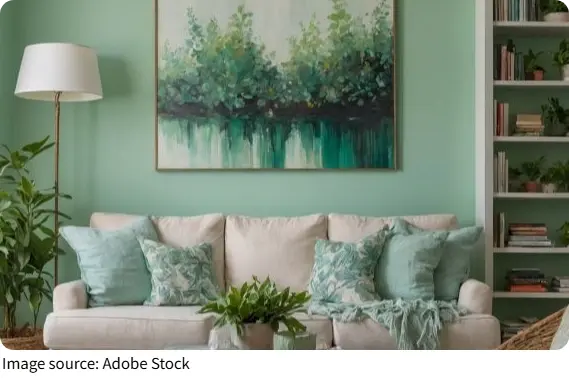
Every living room benefits from a clear visual center. This might be a statement wall, artwork, shelving, a fireplace, or a large clock.
Arrange surrounding furniture to support that feature instead of competing with it. Limiting the number of focal points helps the room appear organized and visually calm.
Improve Comfort Through Small Details
Once the main layout works well, smaller adjustments can noticeably improve both appearance and everyday usability.
Layer your lighting
Depending on only one ceiling light often creates uneven illumination. Combine several light sources to suit different activities.
A floor lamp beside an armchair provides comfortable reading light, while table lamps create a softer atmosphere during evenings. If natural daylight enters through large windows, avoid placing television screens directly opposite them to reduce glare.
Add storage that stays accessible
Storage should make daily life easier rather than simply hiding belongings. Open shelving works well for books and decorative objects that you use regularly, while closed cabinets keep chargers, remote controls, games, and smaller items out of sight.
Storage baskets also help organize blankets or magazines while keeping frequently used items within easy reach.
Use texture instead of too many colors
A room often feels richer when different materials are combined thoughtfully. Upholstered seating, woven rugs, wood furniture, ceramic planters, glass accessories, and soft cushions all contribute visual variety without requiring a complicated color scheme.
Choosing two or three main colors and introducing texture through materials usually creates a more balanced appearance than adding numerous bright accent colors.
Decorate with intention
Decorative objects should have enough surrounding space to be appreciated. Instead of filling every shelf, display a smaller number of meaningful items with different heights and shapes.
Books, plants, framed artwork, and handcrafted ceramics often work well together because they introduce different forms without creating unnecessary visual clutter.
Bring plants into the layout
Indoor plants soften straight furniture lines while adding natural color throughout the room. Place taller plants in unused corners and smaller varieties on shelves or side tables where they receive appropriate light.
Before choosing a location, consider each plant's lighting requirements instead of selecting a position based only on appearance. Healthy plants remain attractive much longer than those placed in unsuitable conditions.
Review the room regularly
Living rooms naturally change as your routines evolve. Every few months, sit in different seats and observe how you use the space.
You may discover that a reading chair would benefit from better lighting, a side table is rarely used, or frequently used items belong closer to the sofa. Small adjustments often improve comfort far more than purchasing additional furniture.
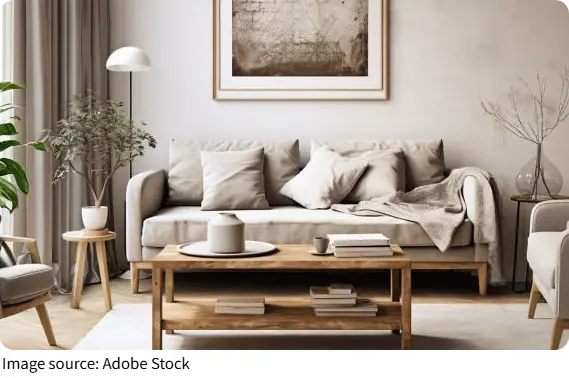
A practical living room grows from thoughtful planning rather than constant redecorating. By creating clear walkways, choosing appropriately sized furniture, layering lighting, organizing storage, and decorating with purpose, you can build a space that remains comfortable, functional, and enjoyable every day.