Painting Life Outdoors

Leila
| 09-10-2026
 · Lifestyle team
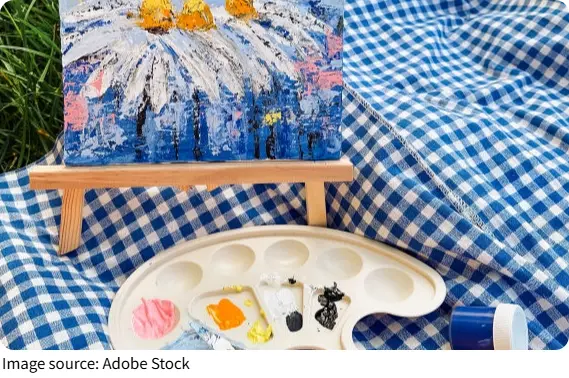
Painting outside offers an experience that feels different from working in a studio or at home. Instead of relying entirely on photographs or prepared references, artists can respond directly to the world around them.
For beginners and experienced painters alike, working outdoors can become a rewarding way to practice creativity while spending meaningful time in open surroundings.
Seeing Familiar Places Differently
A familiar street, garden, park, or quiet landscape may seem ordinary during everyday routines. Sitting down with a sketchbook or painting materials changes the way the surroundings are viewed. Details that might normally go unnoticed suddenly become important.
The position of a building, the shape of a tree, the direction of shadows, and subtle changes in color all become part of the composition. Painting encourages closer observation, helping artists notice visual details that are easily overlooked during a busy day. This habit can also influence how the surrounding world is appreciated even when no painting is taking place.
Learning to Work With Changing Light
Outdoor conditions are rarely completely still. Sunlight can become stronger or softer, clouds can move across the sky, and shadows can change position during a painting session. These changes encourage artists to make decisions rather than wait for perfect conditions. A painter may need to simplify a scene, adjust colors, or complete certain sections before the subject's appearance changes significantly.
Working this way can strengthen observation and decision-making. Artists learn to focus on the most important visual information rather than trying to reproduce every detail.
Encouraging Simpler Composition
One challenge of painting outdoors is deciding what deserves attention. A real landscape can contain countless details, but including everything can make a finished painting difficult to understand. Outdoor practice encourages artists to select the strongest elements of a view. A particular tree, building, pathway, group of plants, or section of sky may become the main focus.
Learning to leave unnecessary details out can make compositions clearer. This skill is valuable for artists who want paintings to communicate an idea without becoming visually crowded.
Building Confidence Through Decisions
Outdoor painting often requires quick choices. The light may change before a section is completed, or the scene may look different after several minutes. Rather than constantly correcting every small detail, artists can learn to trust their observations. They decide which colors, shapes, and values are important enough to include.
This process can gradually build confidence. Mistakes become part of practice rather than evidence that a painting has failed. Each session provides another opportunity to understand what worked and what could be approached differently next time.
Finding Inspiration in Everyday Surroundings
Inspiration does not always require a dramatic location. An interesting combination of light and architecture, a quiet garden corner, or an unusual arrangement of trees can provide enough material for a painting. This encourages artists to search for creative possibilities in ordinary places. Instead of waiting for a special event or perfect scene, they can develop the habit of looking more carefully at their surroundings.
Creating a More Engaged Artistic Routine
Painting outdoors can also make the creative process more active. Artists must choose a suitable location, organize their materials, observe the scene, and respond to changing conditions. The physical setting becomes part of the creative experience.
There is less separation between the artist and the subject, which can make each session feel immediate and personal. For people who spend much of their time indoors, this combination of art and outdoor activity can also provide a refreshing change of routine.
Using Outdoor Painting as Practice
Outdoor sessions do not have to produce finished masterpieces. They can be used as opportunities to test color combinations, practice quick sketches, study light, or explore different compositions. A small painting completed during a short session can provide useful lessons for larger projects later. Artists can review what they observed and consider which techniques were effective.
Painting outdoors can change the way artists observe familiar surroundings. It encourages closer attention to light, color, shape, and composition while providing opportunities to make creative decisions in real time. With regular practice, outdoor painting can become both a creative activity and a lasting source of inspiration.