Ukulele Joy for Kids

Vivienne
| 09-10-2026
 · Lifestyle team
The ukulele can be an inviting first instrument for children who are curious about making music.
Its simple appearance and manageable size can make early lessons feel less intimidating, while basic playing techniques allow children to experience progress relatively quickly.
Beyond learning chords and rhythms, regular ukulele practice can encourage useful habits involving concentration, patience, creativity, and confidence.
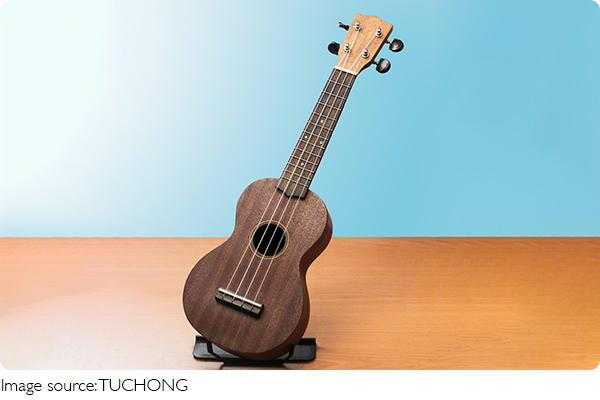
A Friendly Introduction to Music
Starting a new instrument can sometimes feel challenging for a child. The ukulele offers a straightforward way to begin exploring musical ideas without requiring advanced knowledge from the first lesson. Children can gradually become familiar with rhythm, melodies, chords, and musical patterns. Early experiences of producing recognizable sounds can make lessons feel rewarding and encourage continued interest.
A positive first experience with music can shape how children approach future learning. When lessons are enjoyable and appropriate for their ability, children may become more willing to explore new musical challenges.
Encourages Regular Practice
Like any musical instrument, the ukulele becomes easier to play through repetition. Children may begin by learning a few simple chords before practicing transitions and basic rhythms. This process introduces the value of consistency. Rather than trying to master everything during one session, children can work on one skill at a time. Even brief practice sessions can provide opportunities to notice gradual improvement.
The habit of returning to a task regularly can be useful beyond music. Children can learn that progress often comes from patience and steady effort rather than immediate success.
Develops Hand Coordination
Playing the ukulele involves using both hands together. One hand presses strings into different positions, while the other produces the rhythm or controls the movement across the strings. At first, coordinating these actions may require concentration. With practice, the movements can become more familiar.
Children learn to connect visual information, physical movement, and sound while keeping track of rhythm. This makes ukulele practice an engaging activity for developing coordination and control.
Builds Concentration and Listening
Music requires children to pay attention to what they are doing and hearing. While playing, they may need to remember chord sequences, maintain a rhythm, and recognize when something sounds different from what they intended. These tasks encourage focused listening. Children gradually become more aware of timing, sound quality, and changes within a piece of music.
Creates Opportunities for Creativity
The ukulele is not only about following instructions. As children become more comfortable with basic techniques, they can explore different rhythms, experiment with musical patterns, and choose pieces that match their interests. Creative activities give children room to make decisions.
They can discover which sounds they enjoy and develop their own approach to playing. This freedom can help keep music interesting while encouraging curiosity and personal expression.
Gives Children Small Wins
Learning an instrument provides many opportunities for children to recognize their own progress. Successfully changing between chords, maintaining a rhythm, or completing a familiar song can become a meaningful milestone. These achievements can strengthen confidence because children can see the connection between practice and improvement.
A supportive teacher or family member can reinforce this progress without placing unnecessary pressure on performance.
Encourages Social Music-Making
Music can become even more enjoyable when children have opportunities to play with others. Simple ukulele parts can be practiced alongside classmates, siblings, teachers, or family members. Playing together introduces children to cooperation and shared timing. Each participant needs to listen and stay connected to the group rather than focusing only on individual playing.
Can Become a Lasting Hobby
The ukulele can remain useful as a child's musical interests develop. Beginners can start with fundamental techniques and gradually explore more songs, rhythms, and playing approaches. Not every child needs to pursue advanced performance. For some, the greatest value may simply be having an enjoyable activity that can be returned to during free time. A familiar instrument can provide a creative outlet throughout different stages of childhood.
Learning the ukulele can give children a gentle introduction to music while supporting skills such as coordination, concentration, listening, creativity, patience, and confidence. With encouraging instruction and realistic practice expectations, the ukulele can become more than a first instrument. It can give children a practical way to enjoy music, celebrate improvement, and develop habits that remain useful long after the first lessons.