Minimalist Dining Room

Elena Rossi
| 23-09-2026
 · Lifestyle team
A modern minimalist dining room can feel stylish without being overly decorated.
The idea is not simply to remove furniture and accessories, but to choose each element carefully so the room feels balanced, comfortable, and easy to use.
Simple furniture, a restrained color palette, warm materials, and thoughtful lighting can create a dining area that looks polished while remaining practical for everyday life.
Start With a Simple Table
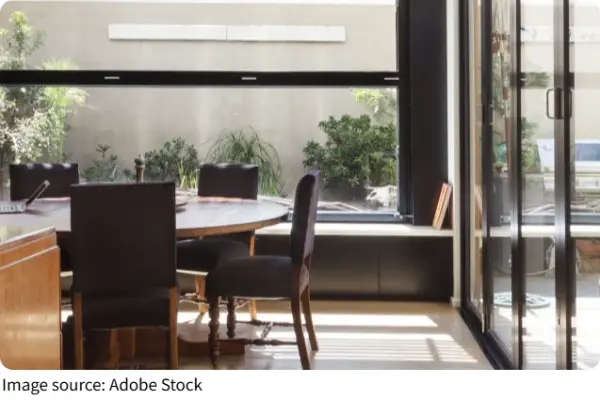
The dining table should be the foundation of the room. Choose a design with clean lines and a shape that suits the available space. A rectangular table works well in longer rooms, while a round table can make a compact dining area easier to move around.
For a minimalist look, avoid tables with excessive decorative details. A smooth wooden surface can bring warmth, while a dark finish can create stronger contrast. Light-colored surfaces can make the room feel more open. The most important consideration is scale. Leave enough room around the table for chairs to move comfortably and for people to walk through the dining area.
Choose Sleek Dining Chairs
Dining chairs can reinforce the minimalist style without looking boring. Look for simple silhouettes, slim legs, and limited decorative details. Wooden chairs can complement a wooden table, while upholstered seating can make the room feel softer. Chairs with curved backs can also introduce a subtle contrast if the table has a strong rectangular shape.
Keep the Color Palette Calm
A limited color palette is one of the easiest ways to create a minimalist dining room. Soft white, beige, gray, taupe, brown, and charcoal can work together without making the space feel visually crowded. Instead of using one color throughout the entire room, layer a few related shades.
For example, warm white walls can work with a medium-toned wooden table, darker chairs, and a light rug. Use contrast intentionally. One darker element can give a pale room definition, while too many contrasting colors may take away from the calm appearance.
Add Warmth With Wood
Minimalist interiors can sometimes feel too plain when every surface has a smooth or uniform finish. Wood is an easy way to introduce warmth and natural character. A wooden dining table, sideboard, shelving unit, or decorative frame can soften a room dominated by neutral colors. Different wood tones can also be combined, provided they complement the surrounding palette.
Use Lighting as a Focal Point
Lighting can become one of the most noticeable decorative features in a minimalist dining room. A pendant light positioned above the table provides useful illumination while also defining the dining area. Choose a fixture with a simple shape that complements the table. A long fixture can work well above a rectangular table, while a rounded pendant can suit a circular design.
Add Texture Without Clutter
Minimalism does not mean every surface needs to be completely bare. Texture can give the room personality while maintaining a clean appearance. A woven rug, textured curtains, upholstered chairs, ceramic accessories, or a simple centerpiece can introduce subtle variation. The key is to use only a few elements rather than decorating every available surface.
Keep Storage Clean and Practical
Storage is important in a minimalist dining room because visible clutter can quickly change the appearance of the space. A streamlined sideboard can provide useful storage while maintaining clean lines. Choose furniture with simple doors or drawers so everyday dining items can be kept out of sight. Open shelving can also work, but keep the display limited to a few attractive and useful pieces.
Decorate With Restraint
A minimalist dining room benefits from carefully selected decoration. Instead of placing several small objects on the table, choose one centerpiece that fits the scale of the room. A simple vase, a sculptural object, or a small arrangement of flowers can provide a finishing detail. Artwork can also add personality to an otherwise restrained room without requiring additional furniture.
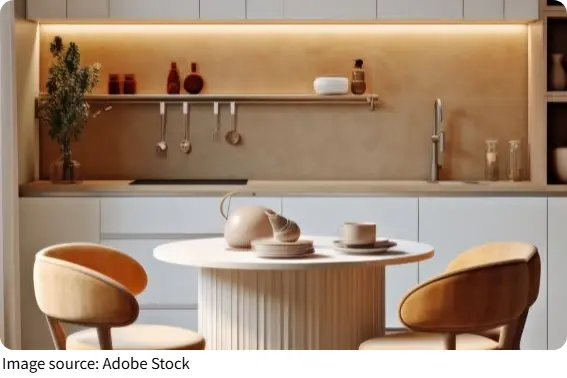
A minimalist dining room can feel complete without being filled with furniture or decoration. Focus on a few well-chosen pieces, combine clean shapes with warm textures, and allow enough open space for the room to breathe. With the right balance of simplicity, comfort, and character, the dining area can become a stylish part of the home that feels effortless rather than empty.