Astra: Romania's Gem

Arvind Singh
| 04-09-2026
 · Travel team
Hi there. Most museums ask you to keep your hands behind the glass and your voice down.
Astra doesn't. It's a 96-hectare open-air complex on the edge of Sibiu, Romania, and instead of glass cases you get real wooden places of worship, farmhouses, and watermills scattered across forest and lakeside paths.
You walk through it like you're strolling through a village that never quite stopped existing.
Why Visit Astra First
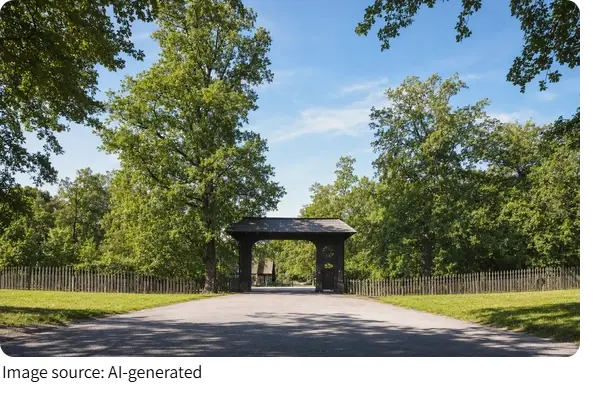
Astra is one of the largest open-air museums in Europe, and that size isn't just for show. It holds over 400 monuments, from Transylvanian peasant homes to a full wooden house of worship from the 1700s, all moved here piece by piece from their original villages. You get a sense of daily life that a typical history hall just can't touch.
The place is also a working cultural hub, so on any given weekend you might catch a folk music session or a blacksmith hammering away in a rebuilt workshop.
What You Should Actually See
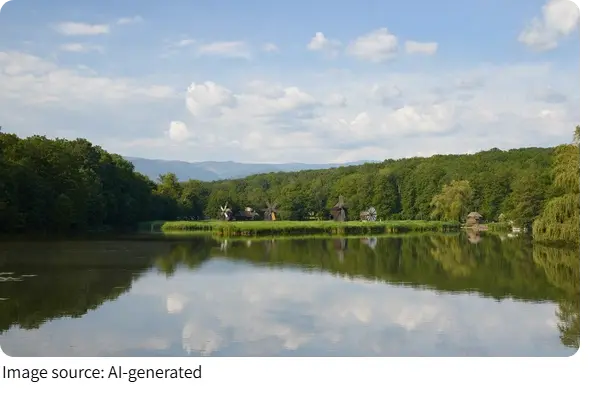
Don't try to walk the whole thing in one go, it's too spread out. Start with the windmill near the main entrance, it's a solid landmark and sits right by the lake. Then head toward the watermill and the sheepfold, both of which show how rural communities actually processed grain and kept livestock.
For the craft side, make a point to visit the pottery and weaving workshops; they run live demos, and you can watch a potter shape clay on a kick wheel just like his ancestors did. The wooden chapel, Saint Nicholas from Dragus, is the quiet highlight. It smells of old pine and candle wax, and it's easy to stand there for a few minutes just taking in the carved icons.
"Astra" National Museum Complex
Plan Your Visit With Timing
You'll want at least three hours, and four is better if you like to linger. The complex is open year-round, but the summer months from June to August bring the liveliest program, with festivals like the Traditional Crafts Fair where artisans from all over Romania gather.
If you're there in winter, the paths are still walkable, but some outdoor workshops close down, so check ahead if craft demos are your main draw. Arrive right at opening time, around 9 a.m., to beat the tour groups and get the lake paths to yourself.
Getting There and What It Costs
Sibiu's city center is about 4 kilometers away, and the easiest way in is a taxi or ride-share for roughly 15 lei, around 3 USD. There's also a city bus, line 11, that stops near the museum entrance. Entry is about 20 lei, roughly 4.50 USD for adults, and students pay half that.
If you want a guided tour in English, it's an extra 50 lei, about 11 USD, and worth it because the guides point out details you'd miss on your own, like the specific wood-joining techniques that let the houses survive centuries without a single nail.
Before You Go, Pack Smart
Wear shoes you don't mind getting dusty. The paths are a mix of gravel and packed dirt, and after rain, some sections turn muddy. Bring water, the on-site café is decent but limited, and there's no shade on the open meadow areas, so a hat helps in summer. And here's the tip that matters most: grab a free map at the ticket office, because the trails split off without clear signage, and it's easy to loop back on yourself. Spend the extra hour at the end by the lake.
There's a small rowboat rental, about 10 lei, and drifting past the reeds while the wooden rooftops peek through the trees is the calmest way to end a visit.
So if you're building a Romania trip that's more than castles and city squares, slot Astra in for a half day. It's the kind of place that makes you slow down, and you'll leave with mud on your boots and a clear picture of how people actually lived here. Go early, wander slow, and let the village do its thing.