Great Migration in Kenya!

James Carter
| 07-09-2026
 · Travel team
Kenya offers one of the best places to experience the Great Migration, particularly in the Maasai Mara ecosystem when large herds of wildebeest and zebras move through the region.
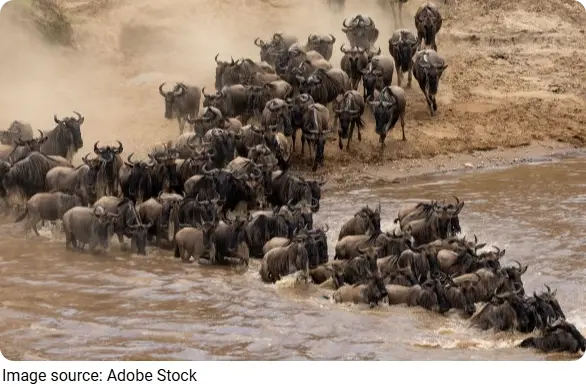
The migration is not limited to a few famous river crossings; it is a year-round movement shaped by rainfall, fresh grazing, and water availability across the wider Serengeti-Mara ecosystem. The most dramatic period in Kenya is generally between July and October, when large numbers of animals can reach the Maasai Mara and the Mara River.
Choose the Right Time for the Migration
Timing plays an important role in planning a migration safari. July through October is widely associated with the Kenyan portion of the journey, particularly because of the possibility of Mara River crossings. However, there is no fixed date when the herds arrive or cross the river.
The migration responds to environmental conditions rather than a tourist calendar. Rainfall can influence grass growth, water levels, and the direction of the herds. Kenya Wildlife Service also identifies July through December as a generally favorable period for wildlife viewing because shorter grass can make animals easier to see.
Stay Near the Maasai Mara
Accommodation close to the Maasai Mara can make a major difference to the safari experience. Staying within or near the ecosystem reduces the amount of time spent traveling before reaching wildlife areas.
Options range from permanent lodges and tented camps to campsites. Some accommodation facilities are positioned close to areas frequented by wildlife, while others provide a quieter setting farther from the busiest viewing locations. Kenya Wildlife Service notes that staying inside protected areas can provide easier access for early morning and evening game drives.
Spend Several Days in the Reserve
A short visit may provide excellent wildlife sightings, but several days offer more opportunities to experience changing animal movements. A herd could be close to a riverbank one morning and several kilometers away later in the day.
Additional time also allows for more than migration viewing. The Maasai Mara ecosystem supports wildebeest, zebras, elephants, giraffes, buffaloes, lions, cheetahs, leopards, hippos, and many other species. A Kenya Wildlife Service census recorded more than 37,000 wildebeest and over 32,000 common zebras in the Maasai Mara ecosystem during its 2021 survey.
Plan Around River Crossings Carefully
The Mara River is one of the most famous locations associated with the migration, but river crossings cannot be guaranteed. Herds may gather near the banks for long periods before entering the water, then suddenly move when conditions change.
The river itself creates several challenges, including steep banks, flowing water, deep sections, and crocodiles. A safari focused on crossings should therefore allow enough time at different viewing areas rather than relying on a single predicted crossing. Patience is particularly important. Waiting beside the river can be part of the experience, even when the expected crossing does not happen.
Choose the Right Safari Vehicle
A well-equipped safari vehicle is useful for reaching different parts of the reserve and observing animals without leaving established routes. A knowledgeable driver or guide can also help identify animal behavior, tracks, grazing patterns, and changes in herd movement.
Binoculars are valuable even when animals appear relatively close because wildlife may remain several hundred meters away. Kenya Wildlife Service recommends adaptable clothing, sunglasses, a hat, sturdy shoes, insect repellent, binoculars, and basic personal supplies for safari visits.
Explore Beyond the Famous Crossings
The Great Migration is only one part of the Maasai Mara experience. Spending every game drive searching exclusively for a river crossing can mean missing other wildlife activity across the ecosystem.
Herds may spread across open grasslands, while resident predators remain active around grazing areas. Zebras and wildebeest also interact with the wider ecosystem in different ways throughout the year. The Maasai Mara includes the national reserve as well as surrounding community conservancies, creating a broader landscape used by wildlife.
Respect the Wildlife and the Landscape
Responsible viewing is essential during a major wildlife event. Vehicles should maintain appropriate distances, follow designated routes, and avoid surrounding or blocking animals. River crossings require particular care because crowded vehicles or sudden movements can disturb already-stressed wildlife.
Experiencing the Great Migration in Kenya is about more than finding a famous river crossing. The best approach combines suitable timing, several days in the Maasai Mara, a capable safari guide, comfortable accommodation, patience, and respect for the animals.
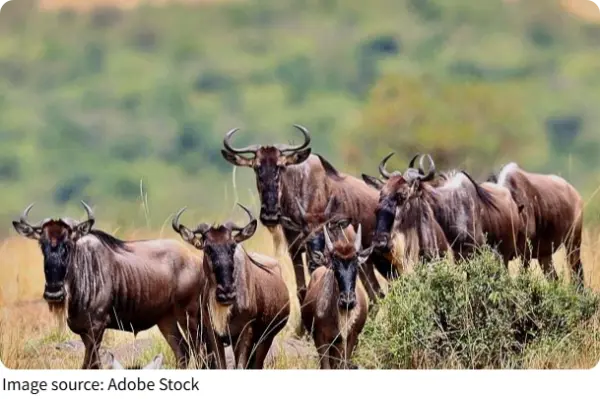
River crossings may provide unforgettable moments, but the wider journey through grasslands, waterways, and wildlife habitats reveals why the Maasai Mara remains such an important part of the Great Migration.