Mara River Crossings

Kai
| 07-09-2026
 · Travel team
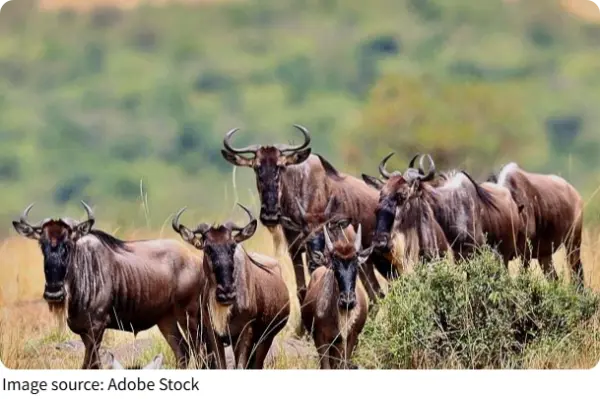
The Mara River is one of the most important parts of the Great Migration in Kenya, especially when wildebeest, zebras, and other grazing animals move into the Maasai Mara.
The journey includes several waterways, but the Mara River presents a much larger challenge because of its deeper channels, steep banks, strong currents, and resident crocodiles. A crossing can become a remarkable moment as large herds gather at the river before suddenly moving through the water.
The Mara River Stands Apart
Several rivers and streams appear along the migration route, including the Sand River near the Kenya-Tanzania border and the Talek River within the Maasai Mara area. These waterways can form part of the animals’ journey, but the Mara River has characteristics that make its crossings particularly dramatic.
Some sections have steep banks that require animals to climb down before entering the water. The riverbed can also contain uneven surfaces and deeper pools, creating different challenges depending on the crossing point. Water levels change with rainfall and seasonal conditions, so the appearance and difficulty of the river are not exactly the same each year.
Herds Often Wait Before Moving
A river crossing does not happen simply because a herd reaches the riverbank. Wildebeest may gather close to the edge, move along the bank, and then retreat. This hesitation can continue for a considerable period before the first animals finally enter the water.
The behavior is partly connected to the risks involved. Once the first wildebeest descend the bank, others may follow rapidly, creating a powerful movement involving hundreds or even thousands of animals. The decision to enter can therefore change the entire appearance of the riverbank within minutes.
Crocodiles Are Part of the Natural Challenge
Large Nile crocodiles live in the Mara River and can take advantage of opportunities when animals enter the water. These reptiles are among the largest crocodile species in Africa, with exceptionally large individuals reaching several metres in length.
Crocodiles are not the only danger, however. Strong currents, slippery slopes, deep water, submerged obstacles, and the sheer number of animals moving together can create serious difficulties. Smaller wildebeest can also become separated from their mothers during the confusion of a crossing.
The Crossing Has Several Stages
The dramatic plunge into the river represents only one part of the event. Animals first gather on the surrounding grassland, approach the riverbank, and search for a suitable place to descend. Once the first group enters, more animals may follow closely behind.
Reaching the opposite bank can be just as difficult as entering the water. Muddy or steep slopes can make climbing challenging, especially for young animals. Once the herd reaches higher ground, the animals gradually spread out and continue toward available grazing areas.
Why the River Matters to Migration
The Mara River provides essential water for wildlife while also connecting different parts of the wider Serengeti-Mara ecosystem. Its surrounding vegetation supports many species beyond migrating wildebeest, including elephants, giraffes, hippos, crocodiles, and numerous birds.
The river's condition is therefore important throughout the year. Rainfall, drought, changes in water flow, and human demand for water can influence the wider ecosystem. A healthy river helps maintain the habitats that support the migration and other wildlife.
Timing Is Never Guaranteed
One of the most interesting aspects of a Mara River crossing is its unpredictability. There is no guaranteed hour when a crossing will begin, even when large herds are already gathered nearby. Weather, river conditions, grazing opportunities, and herd movement all influence what happens.
This uncertainty is also why the migration should not be treated as a scheduled performance. Some days may bring several crossings, while other periods can pass without a major movement at a particular location.
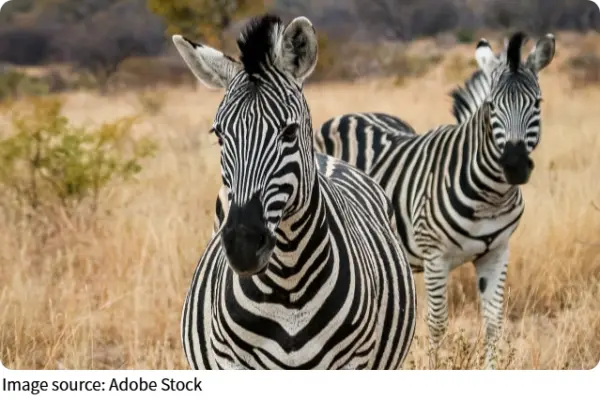
The Mara River is an important part of the Kenya migration experience because it brings together movement, water, predators, and challenging terrain in one location. Wildebeest must decide when to enter, navigate the river, avoid natural dangers, and climb toward new grazing areas. The result is one of the most memorable scenes of the Great Migration, where thousands of animals continue an ancient seasonal journey through the Serengeti-Mara ecosystem.