Europe’s National Parks

Liam Reilly
| 30-08-2026
 · Travel team
If you only have time for five parks from this list, these are the ones worth prioritizing. They offer the strongest mix of spectacular scenery, memorable activities, accessibility and variety: Austria’s Hohe Tauern, Norway’s Jotunheimen, Spain’s Teide, Montenegro’s Durmitor and Croatia’s Plitvice Lakes.
They are very different experiences. One is perfect for wildlife and panoramic road trips, another for serious hiking, while others deliver volcanoes, rafting or extraordinarily beautiful lakes. Here is what to expect, how much key activities cost and what tourists should know before going.
1. Hohe Tauern National Park, Austria
Best for: Alpine scenery, wildlife and road trips
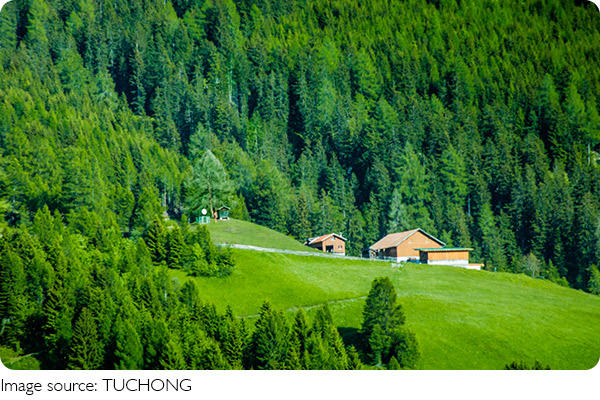
Hohe Tauern feels like a greatest-hits collection of the Austrian Alps. Covering around 1856 sq km, the park contains Austria’s highest mountain, 3798m Grossglockner, the Pasterze glacier and the spectacular 380m Krimml Waterfalls.
Wildlife is another major reason to visit. Marmots, ibex, chamois, golden eagles and bearded vultures inhabit the mountains, and ranger-led walks offer a much better chance of spotting them than simply driving through.
For first-time visitors, the Grossglockner High Alpine Road is the easiest introduction. The 48km panoramic road winds through high mountain scenery with viewpoints and access to short hikes.
Price: A 2026 day ticket for a regular car costs €46.50, while electric cars pay €40. After 6pm, the regular-car price drops to €36.50. A special five-day ticket available from August 14 to September 14 costs €75 per car.
Traveler tip: Do not try to squeeze the entire park into a few hours. Stay around Heiligenblut, Zell am See or another nearby mountain town for at least two nights. Weather can change quickly at altitude, so keeping one flexible day is useful.
Best time: June to September for hiking and road access.
Hohe Tauern National Park, Austria
2. Jotunheimen National Park, Norway
Best for: Serious hiking and wild mountain landscapes
Jotunheimen translates as the “Home of Giants,” which is a fitting name for one of Norway’s most dramatic mountain regions. The park covers 1151 sq km and contains the country’s two highest peaks: Galdhøpiggen at 2469m and Glittertind at 2452m.
Glaciers, waterfalls and intensely blue lakes fill the valleys, while the more remote areas are home to reindeer, elk and even wolverines.
The park has around 50 marked routes, but the legendary Besseggen Ridge is the hike many travelers come specifically to experience. It combines exposed mountain terrain with extraordinary views over two lakes at noticeably different elevations and colors.
Many hikers use the Gjende boat to reach or return from trailheads. In the 2026 season, boats operate from June 6 to September 19. A single аdult ticket between Gjendesheim and Memurubu costs NOK 260, while a same-day round trip on this section is NOK 300.
Traveler tip: Do not underestimate Norwegian mountain weather. Even in July, bring waterproof clothing, warm layers and solid hiking shoes. For Besseggen, book the boat before your trip rather than hoping for space on arrival.
Best time: Late June to early September.
3. Teide National Park, Tenerife, Spain
Best for: Volcanoes and stargazing
Teide offers a completely different version of European wilderness. Instead of forests and Alpine lakes, you get lava fields, enormous craters, strange rock formations and the 3718m Pico del Teide, Spain’s highest mountain.
The landscape often looks more like another planet than a holiday island.
Most visitors take the cable car toward the summit area. In 2026, a return ticket for a non-resident аdult starts at €42, while children aged 3–13 pay from €21. A return ticket with an audio guide starts at €45.50 for аdults.
The park is equally impressive after dark. Its altitude, clean air and limited light pollution make it one of Europe’s standout stargazing destinations. On clear nights, the Milky Way and dozens of constellations can be visible.
Traveler tip: The cable car does not automatically give you permission to walk all the way to the summit, so check permit requirements when planning your visit. Temperatures at altitude can also be dramatically colder than at Tenerife’s beaches.
Best time: Year-round, though summer offers the most predictable conditions.
4. Durmitor National Park, Montenegro
Best for: Adventure on a budget
For sheer value, Durmitor is difficult to beat.
The park contains 48 peaks above 2000m, 18 glacial lakes, forests, limestone mountains and the extraordinary Tara Canyon. The highest summit, Bobotov Kuk, rises to 2523m.
Žabljak is the easiest base and provides access to Black Lake, hiking routes and rafting excursions.
Price: Entry to Durmitor National Park costs only €5 per person per day. Renting a boat on Black Lake costs €10 per hour, bicycles are €3 per hour or €8 for the day, and a four-hour guide costs €40. Organized Durmitor Ring tours cost €20 by van or €30 by jeep, including park entry.
The Tara Canyon is the big adventure. At its deepest points, the gorge reaches roughly 1300m, making rafting through it one of Montenegro’s signature outdoor experiences.
Traveler tip: Stay in Žabljak for at least two or three nights. Montenegro is relatively compact, but rushing Durmitor as a day trip from the coast means spending too much of the day in a vehicle.
Best time: June to September for hiking and rafting.
5. Plitvice Lakes National Park, Croatia
Best for: Waterfalls and an easy first national-park experience
Plitvice is the most accessible choice in this top five for travelers who want extraordinary scenery without technical hiking.
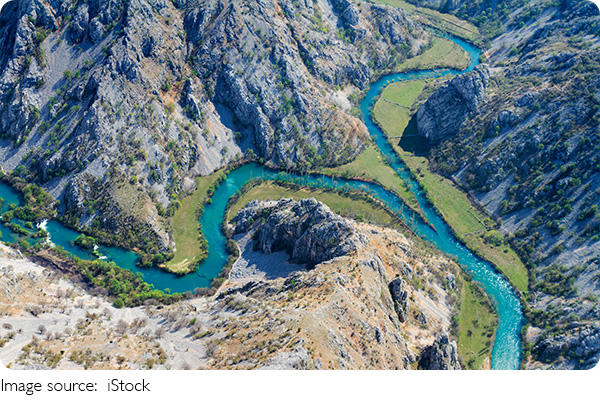
The park is famous for 16 interconnected lakes linked by waterfalls, cascades and naturally formed limestone barriers. Wooden walkways weave through water that shifts between turquoise, emerald and deep blue.
For a comprehensive experience, the original selection recommends the challenging 22km Route K, which covers much of the lake system. Shorter programs are available for casual visitors.
Price: From June through September 2026, an аdult day ticket costs €40 during the main daytime period and €25 for later entry. Students pay €25 or €15, while children aged 7–18 pay €15 or €9. Children under seven enter free. Electric boats and panoramic transport used within the official sightseeing programs are included in the admission ticket.
Traveler tip: If visiting in July or August, reserve online and arrive as early as possible. Another clever option is entering after 4pm, when the аdult summer ticket drops from €40 to €25 between June and August.
Swimming is not the point here: Plitvice is a protected landscape to explore on foot rather than a place for taking a dip.
Best time: May–June or September for a better balance between weather and crowds.
Which One Should You Choose?
For a first European national-park trip, Plitvice Lakes is the easiest choice. For the most impressive high-Alpine scenery, choose Hohe Tauern. Experienced hikers will get more from Jotunheimen, while Teide is the most unusual landscape and the strongest choice for stargazing.
For travelers watching their budget, Durmitor offers perhaps the best value of all five: entrance is only €5, activities remain reasonably priced, and one destination combines mountains, lakes, hiking and rafting.
Whichever you choose, summer is also peak season for most of these parks. Book essential transport and accommodation early, carry layers even on warm days and leave some flexibility for mountain weather. In places this dramatic, having an extra morning available is far better than trying to force everything into a rigid schedule.