Sofa + Table Balance

James Carter
| 14-08-2026
 · Lifestyle team
Hi, Readers! A living room can feel welcoming in an instant, or a little awkward without you knowing why.
Very often, the relationship between the sofa and the coffee table is the quiet reason behind that feeling. When the proportions are right and the distance is comfortable, the whole space feels easier to use.
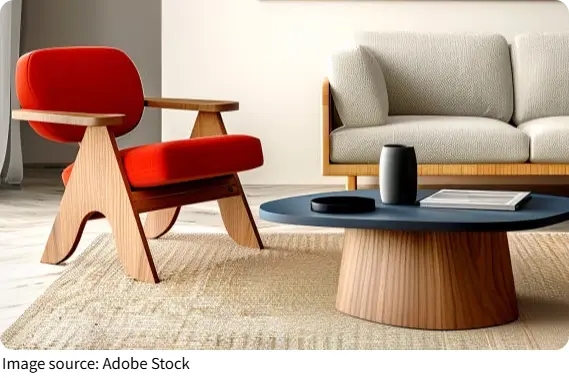
When they are off, even a beautiful room can feel cramped, empty, or inconvenient. Getting this pairing right is less about strict rules and more about making daily life flow naturally.
A coffee table should usually be about two-thirds the length of your sofa. That proportion helps the setup feel visually balanced without making the table look too small or too heavy in front of the seating. Height matters too. A coffee table is generally best when it is the same height as the sofa seat or slightly lower. This makes it comfortable to reach for a cup, a book, or the remote while keeping the view across the room open and relaxed. If the table sits much higher than the seat, it can feel disruptive. If it is too low, it may become less practical for everyday use.
Why proportion matters
The size of the coffee table affects both appearance and comfort. A table that is too large can crowd the room and make movement feel restricted. A table that is too small may look disconnected from the sofa and fail to serve the seating area properly. The goal is to create a strong connection between the two pieces so they work as one functional zone. Width, length, and height all play a part in that. If your sofa is long and substantial, a tiny table in front of it can feel lost. If your sofa is compact, an oversized table may take over the whole room.
The best distance for daily use
One of the most helpful spacing guidelines is to leave about 14 to 18 inches between the sofa and the coffee table. This range usually gives you enough legroom while still keeping the tabletop within easy reach. That small detail changes the experience of the room in a big way. Too close, and getting in and out of the seat becomes annoying. Too far, and people have to lean forward awkwardly every time they want to set something down. A comfortable gap supports conversation, relaxing, and everyday routines without making the layout feel forced.
How placement shapes the room
The coffee table should feel centered to the seating area, not just centered in the room. In most living rooms, that means aligning it with the sofa and keeping it connected to the main seats people actually use. In larger layouts, the table can help define the conversation area and make the room feel more grounded. In smaller spaces, careful placement keeps the room from feeling blocked. It is also important to leave enough space around the outer edges so people can move through the room comfortably. A common guideline is to allow about 30 inches for walking paths when possible.
Choosing the right shape
Shape changes the feel of the layout too. Rectangular coffee tables often work well with standard sofas because they mirror the sofa's long lines and provide generous surface area. Round or oval tables can soften a room and help with flow, especially when space is tight or when you want to make movement around the table feel easier. Square tables can suit large seating arrangements, especially when the layout is more symmetrical. The right choice depends on both the sofa size and how people move through the room each day.
Materials and visual weight
Beyond dimensions, visual weight also affects how the pairing feels. A solid, dark table can look much heavier than a glass table of the same size. In a smaller living room, a table with an open base or glass top can help the area feel lighter and less crowded. In a larger room, a more substantial table may help the seating area feel anchored. The finish, leg style, and base design all quietly influence whether the room feels airy, cozy, formal, or relaxed.

When you are pairing a sofa with a coffee table, the little measurements truly shape the whole experience of the living room. A balanced length, a practical height, and a comfortable gap can make the space easier to move through and nicer to spend time in. If your living room feels slightly off, this is a lovely place to start. A few thoughtful adjustments can help everything feel more natural, more useful, and more like home.