Future Home Shifts

Mason O'Donnell
| 28-07-2026
 · Lifestyle team
Hi, Readers! Home has always been more than walls and furniture.
It is where mornings begin, where quiet moments settle in, and where daily routines shape the feeling of comfort. As lifestyles keep changing, future home design is likely to become more thoughtful, more adaptable, and more connected to the real needs of the people living inside.
Instead of focusing only on appearance, many designers are looking at how a home can support rest, work, family time, privacy, and well-being all at once.
Spaces That Change Easily
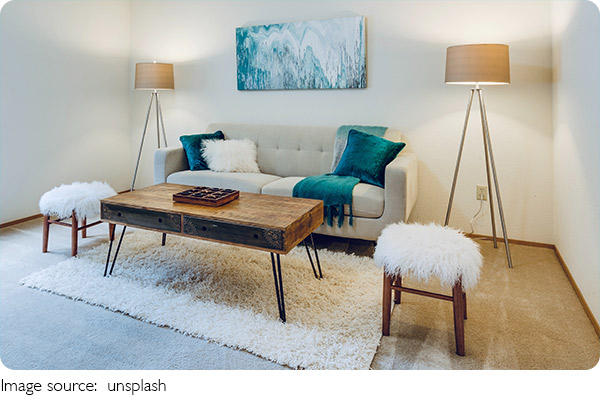
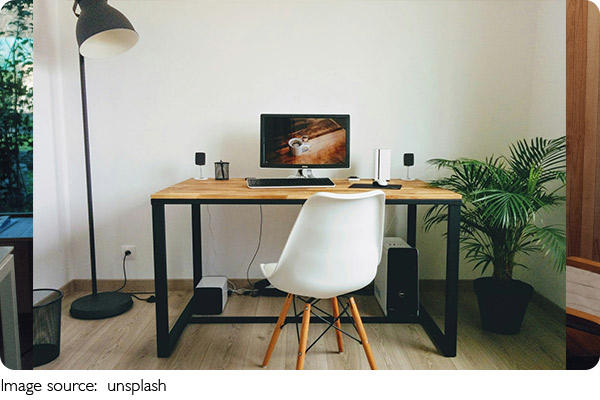
One of the clearest changes may be flexibility. Homes of the future will likely include rooms that can serve more than one purpose during the day. A dining area may also work as a study corner. A guest room may turn into a workspace or reading room when not in use. Sliding panels, foldable furniture, movable storage, and modular layouts can help people reshape their space without needing a larger home. This kind of design feels especially meaningful as many people want homes that can adjust with life rather than stay fixed in one pattern.
Smarter Daily Living
Technology is also expected to play a bigger role, but in a quieter and more helpful way. Future homes may include lighting that adjusts with the time of day, temperature systems that respond to changing needs, and household devices that work together to save energy and simplify routines. The goal is not just convenience. It is also comfort, efficiency, and a smoother daily rhythm. When technology blends gently into the background, the home can feel calmer instead of more complicated.
More Natural Light and Air
Another likely change is a stronger connection with nature. Designers are paying closer attention to daylight, fresh air, indoor plants, and materials that create a softer atmosphere. Larger windows, open courtyards, shaded balconies, and better ventilation may become more common. These choices can help a home feel brighter, healthier, and more peaceful. Even in smaller spaces, a thoughtful relationship with light and greenery can make daily life feel less crowded and more refreshing.
Comfort With Less Waste
Sustainability will likely remain an important part of future home design. People are becoming more aware of how materials, energy use, and long-term durability affect both cost and the environment. Because of that, future homes may use longer-lasting materials, better insulation, energy-saving systems, and design choices that reduce waste over time. This does not mean a home has to feel cold or overly technical. In many cases, simple and well-made spaces can feel the most welcoming.
Design for Every Stage of Life
Homes may also become more inclusive. Rather than being built for only one kind of resident, future spaces may better support children, older family members, remote workers, and people with different mobility needs. Wider walkways, easier storage access, step-free movement, and practical bathroom layouts can make a home more comfortable for everyone. This thoughtful approach can help a home stay useful through many life changes, which gives it lasting value beyond trends.
Emotional Warmth Matters Too
Even with all these practical changes, the emotional side of design will still matter deeply. People want homes that feel personal, calming, and real. That may lead to interiors with meaningful objects, softer textures, warm colors, and layouts that support both togetherness and quiet time. Future home design is not only about advanced features. It is also about creating spaces that help people feel grounded, cared for, and at ease.
As future home design continues to evolve, the biggest change may be this: homes will be shaped less by fixed rules and more by real human needs. That shift feels comforting, because it reminds us that good design is not only about how a place looks. It is about how life feels inside it. If you think about your own ideal home, what would you want it to make easier, gentler, or more joyful each day?