Best Plant Investment

Caroll Alvarado
| 28-07-2026
 · Lifestyle team
Hi, Readers! Bringing plants into a home can feel instantly uplifting, but not every purchase makes the same difference over time.
If you want houseplants to stay healthy, grow steadily, and remain easier to care for, the most worthwhile investment is usually not decoration. It is the growing setup: the right light, the right container with drainage, and the right compost for the plant you choose.
These basics shape everything that follows, from watering needs to root health and long-term growth.
A common mistake is spending heavily on stylish containers while paying less attention to what plants actually need. Many houseplants do best in bright, indirect light, while others can manage in lower light. Matching a plant to the conditions in your home is one of the smartest decisions you can make. A plant placed in the wrong spot often becomes weak, slow-growing, or difficult to maintain. By contrast, a suitable location reduces stress on the plant and makes routine care much simpler.
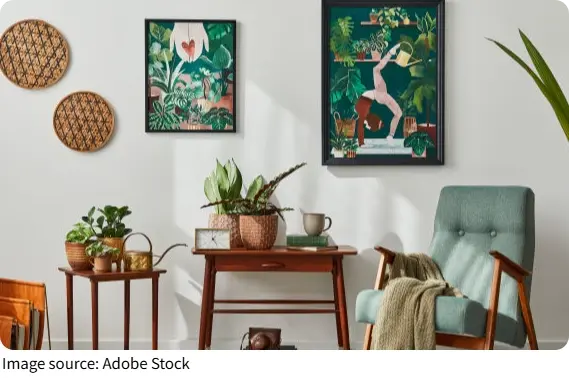
Light Comes First
Light is often the biggest factor in indoor plant success. A healthy plant in suitable light is easier to water correctly, less likely to decline, and more able to produce strong new growth. Bright windows can support a wider range of plants, but direct sun may be too strong for some species, especially in the hottest part of the day. Lower-light rooms limit your options, so choosing plants that naturally cope with shade is a more sensible approach than trying to force a sun-loving plant to adapt.
If you are deciding where to spend money, improving access to appropriate light is often more valuable than buying more plants. Sometimes that simply means choosing a better position in the home. The point is practical: the right light helps plants use water properly and maintain balanced growth.
Drainage And Containers
The next place worth real attention is the planter itself. Containers with drainage holes are one of the simplest ways to avoid root problems. When water cannot leave the planter, compost stays too wet, and roots can deteriorate. That leads to yellowing leaves, weak growth, and a plant that becomes harder to recover.
Decorative outer containers can still be used, but the plant should ideally remain in an inner planter that drains well. This gives you more control and makes watering safer. In everyday care, this choice matters more than appearance alone. A practical container protects root conditions, and roots are the foundation of the whole plant.
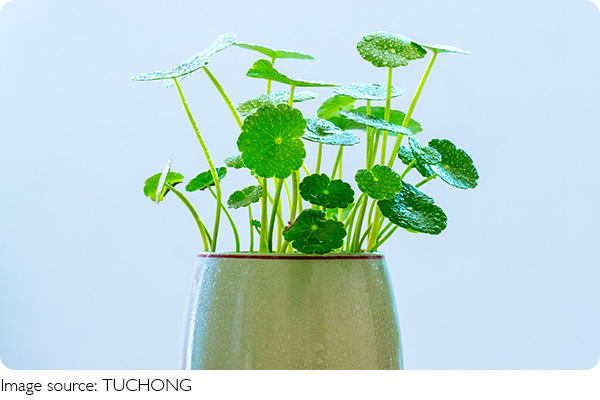
Good Compost Matters
Another highly worthwhile investment is suitable compost. Houseplants are not all the same, and different groups prefer different growing media. A free-draining mix is often important, especially for plants that dislike sitting in constant moisture. Fresh, appropriate compost supports root development, balances air and moisture, and gives the plant a better start after repotting.
Repotting is not always needed often, but when roots fill the planter or growth slows, moving the plant into a slightly larger container with fresh compost can be very beneficial. Oversized planters are usually less helpful because they hold more moisture than roots can use. A measured step up is generally the safer choice.
Tools And Daily Care
You do not need a large collection of equipment. In most homes, careful observation is more useful than buying many accessories. Checking whether compost is dry before watering, removing dead leaves, and monitoring plant position through the seasons are all high-value habits. A watering can and clean secateurs may be useful, but expensive extras are rarely the main reason a plant thrives.
It is also worth remembering that plant choice itself is part of the investment. Selecting healthy specimens suited to your home is usually wiser than choosing demanding plants only for appearance. Strong plants adapted to your conditions give better results and require fewer corrective measures later.
In the end, the best place to invest in home plant care is the foundation: suitable light, drainage, and proper compost. These choices have a direct effect on plant health every day, far more than decorative spending alone. If you are planning to improve your indoor plant corner, start with what supports growth at the root level and in the surrounding environment. That is where the real value is, and your plants will show it clearly over time.