Plants and Your Water

Lucas Schneider
| 29-07-2026
 · Lifestyle team
Hi, Readers! It can feel oddly personal when a plant starts crisping at the edges right after you have been trying your best.
You water it, move it closer to the light, maybe even talk to it a little, and still the leaves turn brown or the whole thing starts looking tired. If this keeps happening, it may not mean you are simply “bad with plants.” Very often, the issue is the water itself.
Minerals, salts, and fluoride in household water can build up in the soil over time, and many houseplants react by showing brown leaf tips, yellowing, or slow decline. Once you know what those signs mean, plant care starts to feel much less mysterious.
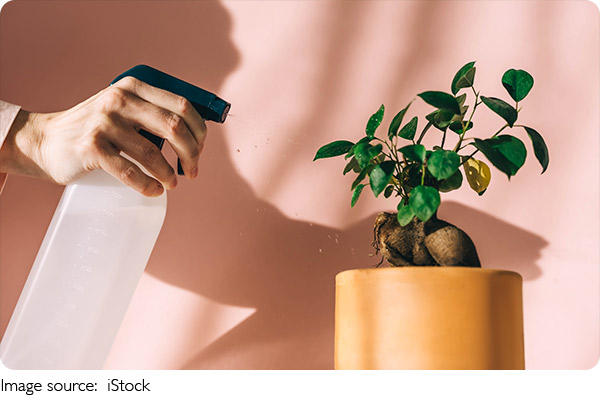
What brown tips often mean
Brown tips on houseplants are commonly linked to moisture stress, but water quality can also play a major part. Many indoor plants are sensitive to dissolved salts and other minerals. As water evaporates and plants use what they need, leftover minerals stay behind in the soil. That gradual buildup can make it harder for roots to take in moisture properly. The result may look like dry, crispy tips even when you have been watering regularly. In some homes, fluoride is another quiet troublemaker, especially for plants that are known to be sensitive. Tip burn can show up first, and if the problem continues, whole leaves may start to suffer.
How tap water creates hidden stress
Not all tap water is the same. Hard water contains higher levels of calcium and magnesium, and softened water may contain added salts. Chlorine and fluoride can also be present. While these are usually fine for household use, some plants do not handle them well over time. Sensitive varieties may develop leaf-edge browning, dull foliage, or stunted growth. Even if the plant looks fine at first, repeated watering with mineral-heavy water can slowly change the soil environment. That means the problem may seem to appear “out of nowhere,” when really it has been building little by little.
What to look for in the soil and container
If you notice a pale crust on the soil surface or around the rim of the container, that can be a clue that salts and minerals are collecting there. The soil may also start draining poorly or feel compacted. In containers, everything happens in a smaller space, so buildup becomes noticeable faster than it might outside. Flushing the soil can help. That means watering thoroughly so extra water runs through the drainage holes and carries some of those dissolved materials away. Good drainage matters here, because roots sitting in soggy soil can create a separate problem that looks similar above the surface.
Simple ways to make water gentler on plants
If your plants keep showing the same symptoms, switching water sources may help. Letting tap water sit for a while can reduce some chlorine, though it will not remove minerals or fluoride. Rainwater or distilled water is often gentler for sensitive plants. Another helpful step is repotting when soil has been holding onto too much buildup for too long. Fresh potting mix gives roots a cleaner start and improves airflow around them. Paying attention to each plant’s preferences matters too, because some tolerate ordinary tap water much better than others.
It is not always just the water
Brown tips and struggling leaves are not caused by water quality alone. Low humidity, inconsistent watering, overfertilizing, and root stress can all produce similar symptoms. That is why it helps to look at the full picture instead of blaming yourself or changing everything at once. Check whether the plant is drying out too fast, sitting in stale wet soil, or getting more fertilizer than it can use. When several small stresses pile up together, the plant may respond in the same visible way. Water quality is just one important piece, but it is often the one people overlook.
If your plants seem to fade no matter how carefully you care for them, take a gentle look at the water you are using before giving up. A few brown tips can be your plant’s quiet way of asking for a change, not proof that you have failed. Try one small adjustment, watch closely, and let your plants tell you what feels better. Sometimes the real story is not your touch at all, but what has been flowing through the roots the whole time.