Don’t Toss the Peel

Nolan O'Connor
| 24-07-2026
 · Cate team
Hi, Readers! Peeling fruit can feel like second nature.
A banana skin goes in the bin, an orange rind gets left behind, and apple peel is often removed without much thought. But that habit can mean missing one of the most nutrient-dense parts of the fruit.
In many cases, the outer layer contains impressive amounts of fiber, vitamins, minerals, and plant compounds that support overall health.
Fruit peels are often richer in fiber than the inner flesh. That matters because fiber helps support digestion, promotes fullness, and can help with balanced blood sugar response. The peel also tends to carry concentrated antioxidants, which are natural compounds that help protect cells from oxidative stress. Some peels contain far higher antioxidant levels than the fruit inside, making them especially valuable if you are trying to get the most from what you eat.
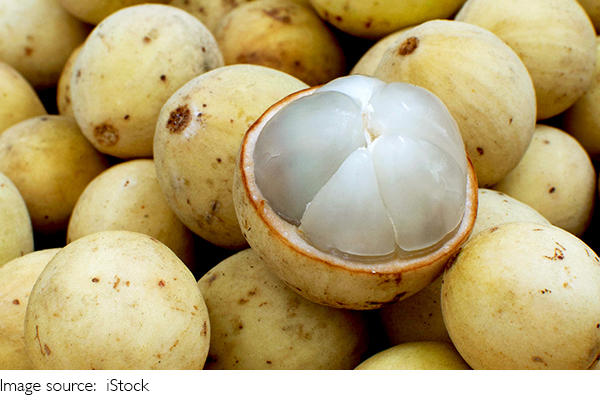
Why peels matter
If you compare peeled and unpeeled fruit, the difference can be striking. Healthline notes that removing the peel from fruit can reduce its fiber and antioxidant content. In some fruits, much of the vitamin C and other protective compounds sit close to the surface or in the peel itself. That means peeling may lower the nutritional value more than many people realize.
Apples are a good example. Their peels contain a notable share of the fruit’s fiber and are also a source of vitamins and plant compounds. Pears are similar, with much of their fiber concentrated in the skin. Citrus peels, while not always eaten on their own, also provide useful compounds and fiber. Even when the texture or taste feels stronger than the flesh, that intensity often reflects a high concentration of beneficial components.
What is inside the peel
One reason peels stand out nutritionally is their mix of insoluble and soluble fiber. Insoluble fiber helps move material through the digestive tract, while soluble fiber can help slow digestion and support steadier energy levels after eating. Alongside fiber, peels may provide vitamins such as vitamin C, provitamin A, and folate, depending on the fruit.
They also contain polyphenols, carotenoids, and other antioxidants. These compounds have been studied for their role in helping reduce cell damage linked with everyday metabolic stress. Different fruits offer different profiles. Apple peel is known for quercetin and related compounds, while citrus peel contains flavonoids with antioxidant activity. The exact mix varies, but the pattern is consistent: the outer layer is often more than just a protective covering.
Not every peel is a good choice
That does not mean every fruit peel should automatically be eaten. Some peels are very tough, bitter, or simply unpleasant to digest. Others may carry residues from handling or agricultural use, so washing is important. Healthline points out that pesticide residue can be a concern, especially when peels are eaten directly. Rinsing fruit well under running water and gently scrubbing firmer produce can help reduce surface residue and dirt.
There is also a practical side. Banana, melon, avocado, and pineapple peels are technically rich in certain compounds, but they are usually too hard or unpalatable for most people to eat as they are. In those cases, the issue is not lack of nutrition but ease of use and taste. Some peels work best when blended, cooked, or used in small amounts rather than eaten raw.
Easy ways to eat more peel
If you want the benefits without changing your routine too much, start with fruits whose skins are easy to eat. Apples, pears, plums, grapes, and many berries are simple options. Wash them thoroughly, then eat them whole. For citrus, using a little zest in oatmeal, baked dishes, or dressings can add flavor along with useful plant compounds. Kiwi skin can also be eaten by some people after a good wash, though the fuzzy texture is not for everyone.
A gradual approach works well. Try leaving the peel on one fruit a day and notice which textures and flavors you enjoy. If a peel is too bitter, mixing it into a smoothie or finely grating it into recipes may make it easier to include. The goal is not to force every peel onto your plate, but to stop assuming that the discarded part has nothing to offer.
In the end, the part of the fruit most often thrown away can be the part with the biggest nutritional payoff. Keeping the peel on when it is edible and properly cleaned is a simple way to get more fiber, more antioxidants, and more value from the fruit you already buy. Next time you reach for a peeler, take a second look and see whether that outer layer deserves to stay.