Why Veggies Change

Camille Dubois
| 24-07-2026
 · Cate team
Hi, Readers! That plate of broccoli or Brussels sprouts you pushed away years ago may not actually taste the same to you now.
A big part of the change comes from how people sense bitterness, and vegetables in the cabbage family are a classic example. Their flavor can seem sharply unpleasant to some children, while other people barely notice anything strong at all.
So if a vegetable you once disliked now feels easier to eat, your taste system may be doing exactly what science would expect.
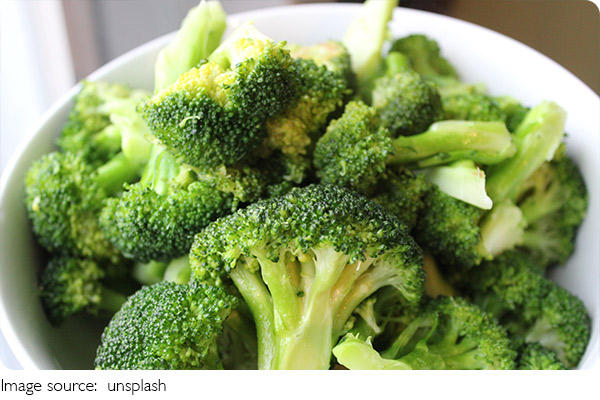
Many vegetables contain compounds that trigger bitter taste receptors on the tongue. In broccoli, Brussels sprouts, and related vegetables, these compounds can create a strong bitter impression for people who are especially sensitive. Researchers have linked this sensitivity to inherited differences in taste receptors. One of the best-known examples involves a receptor associated with detecting certain bitter chemicals. Some people are very responsive to these compounds, while others experience them only weakly. That means two people can eat the same vegetable and report very different flavors.
Children often react more strongly to bitterness than older people do. This matters because bitterness is one of the clearest reasons certain vegetables become childhood enemies. A child who is highly sensitive to bitter compounds may experience a vegetable as far harsher than a parent does. From the child’s point of view, the dislike is not dramatic behavior. The food may genuinely taste intense and unpleasant. As people grow older, taste perception can shift, and foods that once seemed overpowering can become less challenging.

Why bitterness matters
Bitterness is not random. It is a basic taste that humans can detect through specialized receptors. In vegetables such as broccoli, kale, cabbage, and Brussels sprouts, naturally occurring chemicals contribute to that distinct edge. For some people, these compounds barely register. For others, they stand out right away and dominate the whole bite. This difference helps explain why one person happily orders roasted Brussels sprouts while another remembers them as deeply disagreeable from childhood.
Why children notice it more
Children are often more sensitive tasters, especially when bitterness is involved. That stronger response may have a biological basis, since young people can be more alert to flavors that signal caution. In everyday life, it simply means a child’s negative reaction to certain vegetables may be sincere and sensory, not merely picky behavior. Later in life, as taste sensitivity changes, the same foods can seem more balanced, less sharp, and easier to enjoy.
Why the taste can improve later
The vegetable itself may also change in how it is prepared. Cooking methods make a real difference. Boiling can sometimes leave vegetables with a stronger sulfur-like note, while roasting can bring out sweeter, nuttier flavors and soften bitter edges. Seasoning and texture matter too. A vegetable that once arrived soft and harsh on the plate may become much more appealing when cooked until browned and slightly crisp. So the shift is not only in your mouth, but also in the kitchen.
In the end, the vegetables you disliked as a child may taste different now for two solid reasons: your sensitivity to bitterness may not be as strong, and the way the food is cooked may suit the vegetable better. That makes revisiting old dislikes worth trying. You might find that the broccoli or Brussels sprouts you once avoided now has a flavor that finally makes sense.