Global Drink Picks

Pankaj Singh
| 24-07-2026
 · Cate team
Hi, Readers! Drinks tell stories in a very direct way.
One cup can reflect climate, local crops, daily habits, and the small comforts people return to again and again. Around the world, specialty drinks stand out not only for taste, but also for the customs around them.
Looking at popular drinks across regions gives us a simple way to understand how people live, gather, and relax.

Tea Traditions
Tea appears in many forms and remains one of the most widely recognized specialty drinks in the world. Black tea is known for a fuller taste and is often served plain or with milk. Green tea has a lighter profile and is appreciated for its fresh, clean character. Oolong tea sits between these styles, offering layered flavor shaped by its processing. Matcha, a finely ground green tea powder, is prepared differently and creates a thicker drink with a concentrated taste. Chai is another well-known tea drink, usually prepared with tea, milk, and warming spices. These tea traditions show how one plant can lead to very different results depending on technique and local preference.
Coffee Culture
Coffee is another major category of global specialty drinks. Espresso is concentrated and forms the base for many café favorites. Cappuccino combines espresso with steamed milk and a thick milk foam, while latte uses more milk for a softer taste. Cold brew has become popular for its smooth texture and lower bitterness, created through long steeping in cool water. In some places, coffee is prepared in a very strong, unfiltered style, while in others it is designed to be light and easy to drink over a long conversation. Even within the same ingredient, roasting, grinding, and brewing methods shape a wide range of experiences.
Fruit And Grain Drinks
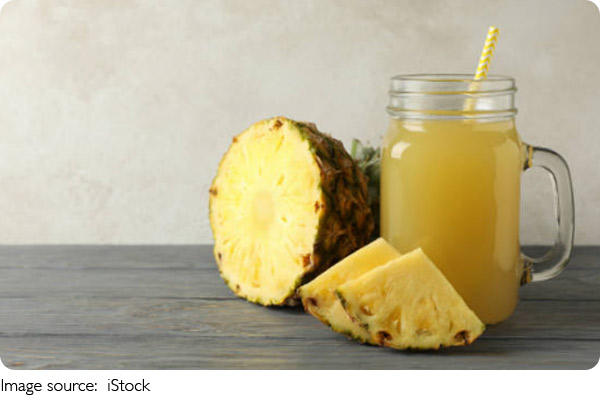
Not all specialty drinks come from tea leaves or coffee beans. Fruit-based drinks are important in many regions, especially where fresh produce is abundant. Citrus drinks, grape drinks, and berry drinks often reflect local harvests. Grain-based beverages also hold a strong place in daily life. Some are served warm and feel comforting, while others are chilled and refreshing. These drinks often connect closely to home cooking, street stalls, and seasonal routines. Their appeal usually comes from both flavor and familiarity.
Dairy And Cultured Options
Milk-based drinks and cultured beverages also deserve attention in any global roundup. Some are sweet and mild, while others are tangy and more complex. Yogurt drinks, milk teas, and fermented dairy beverages are all examples of how simple ingredients can be adapted into local specialties. Texture matters a lot here. Some drinks are silky and smooth, and others are thicker and more filling. In many places, these options are valued not just as refreshments, but as part of breakfast, a midday break, or a light snack.
Why Specialty Drinks Matter
What makes a drink feel special is not always rarity. Often, it is the meaning attached to it. A specialty drink may be tied to a celebration, a family routine, a café ritual, or a regional identity. Preparation can also matter as much as ingredients. The vessel, temperature, serving style, and pace of drinking all contribute to the experience. This is why two drinks with similar components can feel completely different in practice.
From tea and coffee to fruit and dairy creations, global specialty drinks show impressive variety without losing their everyday charm. If one style is new to you, it may be worth trying it with attention to how it is prepared and served. That small detail often reveals why people keep coming back to it, and that is where the real character of a drink begins.