Keep These Out

Sofia Alvarez
| 22-07-2026
 · Lifestyle team
Hi, Readers! It is so easy to reach for the fridge and tuck every grocery item inside, especially when you want things to stay fresh as long as possible.
But some foods actually do better on the counter, in a cool pantry, or in a dry cupboard. Chilly air can change texture, dull flavor, or even make certain items spoil faster in ways people do not expect.
If your kitchen habits are built around refrigerating almost everything, this little switch can help you keep food tasting better and lasting longer.
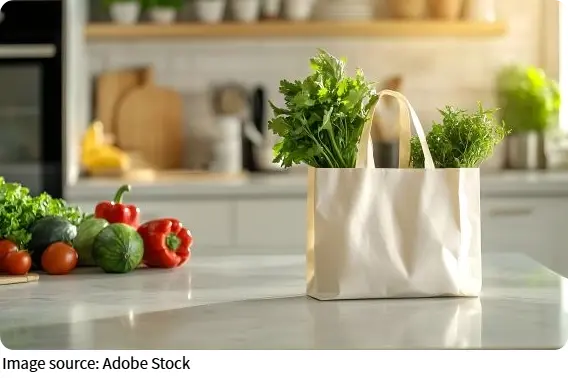
Tomatoes stay better on the counter
Tomatoes lose a lot when they get too cold. Refrigeration can turn their texture mealy and reduce their flavor, leaving them less juicy and less enjoyable. Keeping them at room temperature helps them hold onto their natural taste and a better bite. A bowl on the counter, away from direct sunlight, is usually the best spot. If a tomato becomes fully ripe and you are not ready to use it right away, you can chill it briefly, but for everyday storage, the counter wins.
Potatoes prefer a cool, dark place
Potatoes should not go into the fridge because low temperatures can cause their starches to convert into sugar more quickly. That change can affect both flavor and texture. A cool, dark, well-ventilated place works much better, such as a pantry or cupboard. It also helps to keep potatoes away from onions, since storing them together can make both spoil more quickly. A paper bag, basket, or open container is a better choice than a sealed plastic bag.
Onions need airflow, not cold air
Whole onions last longer outside the fridge as long as they are kept in a dry, dark place with good ventilation. Refrigeration adds moisture, and that can soften onions and encourage spoilage. Mesh bags or open baskets are helpful because they let air move around. Once an onion has been cut, though, the remaining portion should be wrapped and stored in the fridge, since that is a different situation from storing a whole onion.
Garlic keeps best in a dry pantry
Garlic does best in a cool, dry place with airflow. The fridge can create excess moisture, which may lead to sprouting or a rubbery texture. Whole garlic bulbs usually stay in better shape in a pantry, especially in a basket or container that is not sealed tight. Like onions, garlic benefits from ventilation. Keeping it dry is one of the simplest ways to help it last.
Bread can go stale faster in the fridge
Many people place bread in the fridge hoping it will last longer, but cold storage can make it go stale faster. Bread is usually better at room temperature if you plan to eat it within a few days. Keep it in a bread box, paper bag, or another spot that protects it without drying it out too much. If you need to keep bread for longer, freezing is a better option than refrigerating because it preserves quality more effectively.
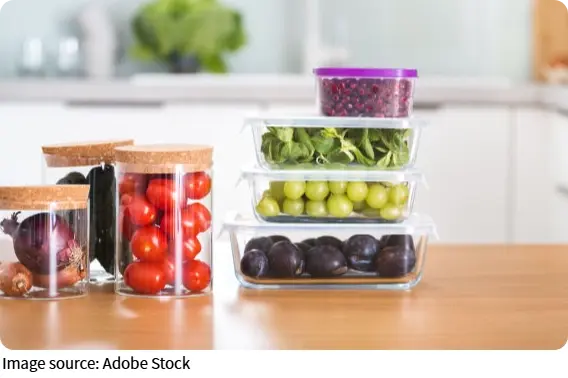
Certain whole fruits are better before chilling
Some whole fruits continue ripening after you bring them home, and the fridge slows that process too soon. Stone fruits, bananas, and avocados are common examples that generally do better at room temperature until they ripen. Once they reach the texture you want, you can move them to the fridge to buy a little extra time. This small timing change can make a big difference in taste and texture, especially if you have ever bitten into fruit that felt firm but strangely flat in flavor.
Coffee stays happier in a dry cupboard
Coffee does not love the fridge. It can absorb moisture and odors from nearby foods, which may change its flavor. A cool, dark cupboard is a better place for storing coffee, especially in an airtight container. Keeping it away from heat and light matters more than putting it in a cold spot. If good flavor matters to your morning cup, this one is worth remembering.
In the end, storing food well is less about putting everything in the coldest place and more about giving each item the environment it actually needs. A few easy changes, like moving tomatoes, potatoes, onions, garlic, bread, ripening fruit, and coffee out of the fridge, can help protect texture and flavor while reducing waste. Next time you unpack groceries, take a second look at what really belongs on the shelf instead of behind the fridge door.