Miso Makes It Better

Arvind Singh
| 21-07-2026
 · Cate team
Hi, Readers! There is one Japanese pantry staple sitting quietly in many kitchens that can change a dish in seconds, and that is miso.
This fermented soybean paste looks simple, but once you start using it beyond soup, it becomes one of the most reliable ways to add depth, saltiness, and a rounded savory note to everyday cooking. A spoonful can make a sauce fuller, a broth more layered, or even a dessert more interesting.
Miso is made by fermenting soybeans with salt and koji, which is usually rice or another grain inoculated with a helpful culture. The result is a paste with a complex taste that can be mellow, sweet, earthy, or deeply intense depending on the variety. White miso is generally milder and slightly sweet, while red miso is stronger and more assertive. There are also mixed styles that sit somewhere in between, which makes miso easy to match with many kinds of dishes.
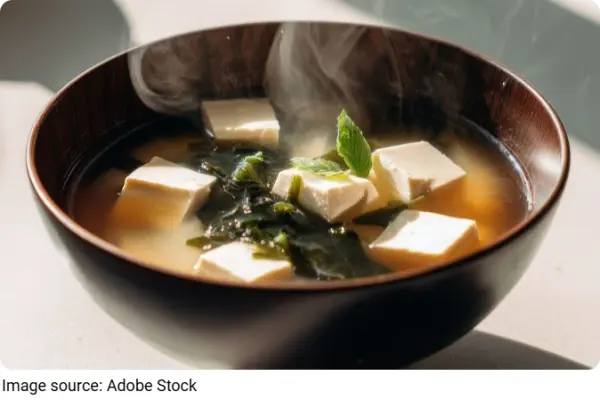
Why Miso Works
What makes miso so effective is its concentration of savory compounds and its balanced fermented character. It does not just make food salty. It gives a dish body and a sense of completion, as if the flavors have been pulled together. That is why it works in far more than traditional soup. Stir it into vinaigrettes, blend it into butter alternatives, whisk it into pasta sauces, or add a small amount to stews and bean dishes. Even when people cannot immediately identify it, they often notice that the food tastes richer and more rounded.
Another reason miso is so useful is that it comes in different strengths. A lighter miso can disappear smoothly into dressings, glazes, or dips without taking over. A darker miso can stand up to robust ingredients and longer cooking. Since each type behaves a little differently, it helps to taste as you go. In many cases, a small amount is enough to shift the whole flavor profile.
How To Use It Well
Miso is easiest to work with when loosened first. Instead of dropping a thick spoonful straight into a dish, mix it with a little warm water, stock, or another liquid until smooth, then stir it in. This helps it distribute evenly and prevents clumps. If you are adding miso to a soup or sauce, it is often best to do so near the end of cooking so its more delicate aromatic qualities stay intact.
It pairs especially well with ingredients that benefit from contrast or depth. Use it with butter-free mashed vegetables, roasted squash, mushrooms, onions, beans, or noodles. It also supports sweet applications. In cookies, caramel sauces, or fruit-based desserts, a little miso can temper sweetness and bring a more nuanced finish. The effect is not flashy. It is subtle, but it makes the final result feel more complete.
Choosing And Storing
If you are new to miso, white miso is a friendly place to start because it is gentle and versatile. It works in dips, marinades, soups, and sauces without overwhelming the other ingredients. If you already like stronger fermented flavors, red miso offers more intensity and can be excellent in hearty dishes. There is no single best kind. The right choice depends on what you are cooking and how prominent you want the miso taste to be.
Storage is simple. Keep miso in the refrigerator in a tightly sealed container. Because it is fermented and salted, it keeps well, which adds to its appeal as a practical pantry ingredient. Having some on hand means you always have a fast way to improve a dish that tastes flat or unfinished.
Miso earns its place in the kitchen because it is flexible, concentrated, and easy to use. A spoonful can shift a meal from ordinary to memorable without much effort at all. If you already have a tub waiting in the refrigerator, this is a good moment to start experimenting with it in more places than soup. You may find it becomes the ingredient you reach for whenever a dish needs that final lift.