Japanese Blade Secrets

Leila
| 21-07-2026
 · Cate team
Hi, Readers! A sharp kitchen skill can do much more than make prep faster.
In Japanese cooking, the way an ingredient is cut is treated as part of the flavor itself. Shape, thickness, angle, and surface area all affect texture, moisture release, seasoning absorption, and even how aroma reaches you.
That means a carrot, cucumber, or fish can seem quite different depending on the technique used. This approach is not about flashy tricks. It is about understanding how a cut changes what happens in the pan, in the bowl, and in your mouth.
Japanese blade work is built on intention. Rather than cutting everything into standard cubes or slices, cooks choose a technique that fits the ingredient and the dish. Some cuts are designed to help items cook quickly and evenly. Others create more surface so sauces cling better. Some protect a delicate texture, while others deliberately make an ingredient feel lighter, crisper, or more tender. This is why blade technique is often described as a core part of taste, not just presentation.
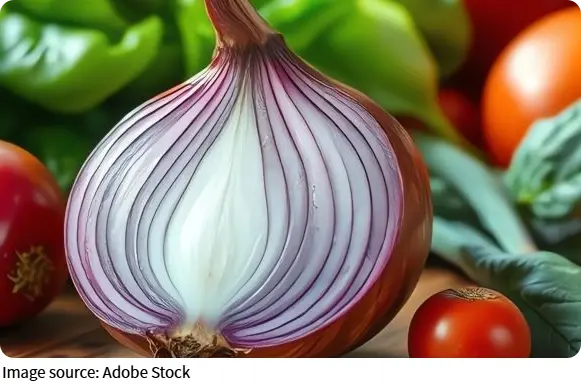
Why Cut Affects Flavor
A cut changes several physical factors at once. Thin slices expose more area, so seasonings can coat them more completely and heat can move through them faster. Angled cuts make broad surfaces that catch dressing or broth. Fine cuts can soften the eating experience even when the ingredient itself is firm. Larger cuts, by contrast, may hold moisture better and keep a stronger internal texture. In practical terms, this means the same vegetable can taste sweeter, milder, juicier, or more seasoned simply because of how it was prepared.
Texture matters just as much. Japanese cuisine often aims for balance across a meal, so blade work helps create contrast without changing the main ingredient. A crisp shard, a thin ribbon, and a chunky piece each bring a different rhythm to the bite. When cooks pay attention to that detail, flavor seems clearer because the texture supports it rather than distracting from it.
Key Japanese Cutting Methods
Several classic techniques show this idea clearly. Rangiri is an irregular rolling cut often used for long vegetables such as carrots or daikon. By turning the ingredient slightly after each slice, you create pieces with varied but balanced surfaces. This helps them cook evenly while giving more area for simmering liquid or seasoning to cling to.
Sogigiri is an angled slicing method that produces wide, thin pieces. It is useful when you want a tender mouthfeel or quicker cooking. Because the slices are broad and relatively thin, they take up flavor efficiently and feel delicate when eaten. Sasagaki, often used for root vegetables, shaves the ingredient into thin slivers. That creates a light texture and makes the ingredient easy to cook quickly in soups or stir preparations.
There are also ultra-fine cuts such as sengiri, which turns vegetables into thin matchsticks, and katsuramuki, a method of shaving an ingredient into a long, thin sheet. These methods are not only visual. They change crunch, density, and how seasoning settles across the surface.
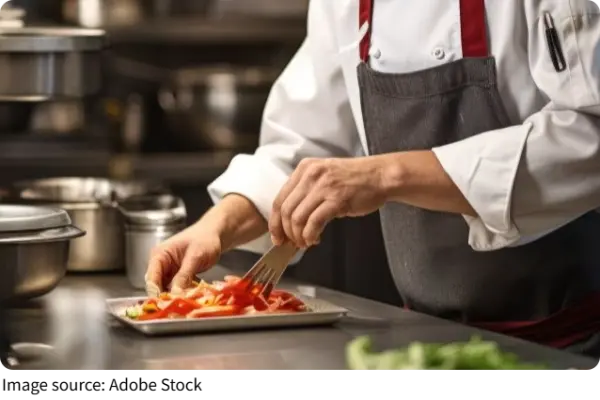
Why Sharpness and Precision Matter
The technique works only when the edge is properly maintained. A clean edge makes a smooth surface, which helps preserve moisture and keeps the ingredient looking fresh. A rough cut can bruise delicate produce, leading to faster moisture loss and a duller texture. Precision also matters because uneven pieces cook at different rates. Some may turn soft while others stay underdone, which weakens the balance the cut was supposed to create.
Japanese blade practice therefore emphasizes control over speed. The goal is not dramatic movement. It is consistency, repeatability, and respect for the ingredient. Each motion should match the ingredient's structure, whether that means slicing with a long pull, shaving gently, or creating compact pieces for simmering.
Using The Idea At Home
This does not require advanced training to appreciate. Even in a home kitchen, changing the cut can noticeably change the result. Try slicing a cucumber on an angle for a salad instead of cutting it into thick coins. Cut carrots into rolling chunks for a braised dish, then compare them with straight rounds. Shave a root vegetable into thin strips and see how quickly it softens and absorbs seasoning. These simple comparisons make the principle easy to understand.
A good starting point is to ask what you want from the ingredient. Should it stay firm or turn tender quickly? Should it carry a glaze, sit lightly in broth, or provide a crisp contrast? Once you think this way, the blade becomes part of flavor design, not just prep work.
In the end, this Japanese approach changes cooking because it asks a very practical question: what should this ingredient feel and taste like in the finished dish? When you cut with that goal in mind, everyday cooking becomes more deliberate and more rewarding. Try one technique at a time, pay attention to texture, and you may find that flavor opens up in ways you did not expect.