Why Breakfast Stands Out

Mariana Silva
| 23-07-2026
 · Cate team
Hi, Readers! A well-set Japanese breakfast feels calm, practical, and surprisingly complete.
Instead of leaning on a single main item, it usually brings together rice, soup, fish, soy-based dishes, pickled vegetables, and tea. That mix matters.
It spreads nutrition across several small servings, which makes the meal feel satisfying without being heavy. The result is a breakfast pattern that many nutrition experts view as notably balanced.
One reason this meal stands out is diversity.
A typical spread often includes steamed rice for energy, miso soup for warmth and fluid, grilled fish for protein, and side dishes such as natto or tofu for additional nutrients. Seaweed and pickles may appear in small portions, adding minerals and a fresh contrast in texture.
Because each dish plays a different role, the meal naturally covers a wide range of nutritional needs without relying on oversized portions.
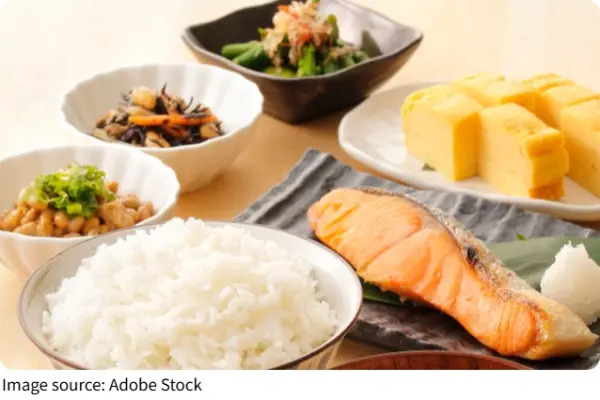
Balanced energy
Rice gives the meal a steady carbohydrate base, while fish and soy foods help slow digestion and improve satiety. That balance can make the morning feel more stable compared with breakfasts built mostly around refined sweets or a single processed item.
Miso soup also contributes to the sense of fullness, partly because a warm dish can make a meal feel more complete. The structure is simple, but it works well in practice.
Protein from several sources
Another strength of Japanese breakfast is its layered protein profile. Grilled fish is common, and soy foods such as natto and tofu often appear alongside it.
Eggs may also be included. This combination helps create a meal that supports muscle maintenance and daily function while keeping portions moderate. Instead of forcing one rich dish to carry everything, the meal distributes protein across the table in a more measured way.
Micronutrients and fermented foods
The smaller side dishes do important work. Seaweed can provide minerals, while vegetables and pickles add fiber and variety. Fermented foods such as miso and natto are especially notable because they have long been part of everyday eating patterns in Japan.
These foods bring depth of flavor, but they also increase nutritional complexity. In a breakfast setting, that means the meal is not only filling but also more interesting and rounded.
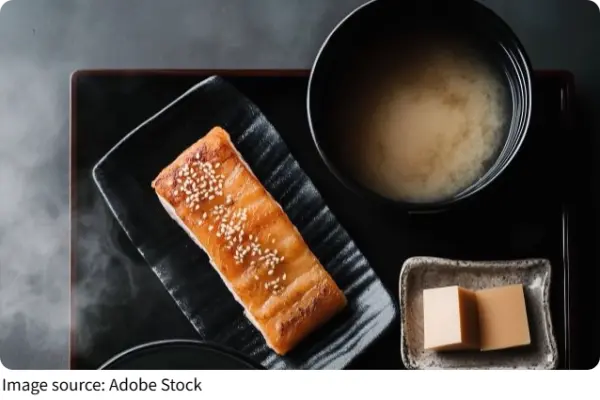
Portion logic and daily habit
What makes this breakfast especially effective is not just the ingredients but the format. Several compact dishes encourage mindful eating and make it easier to notice fullness. That can support better portion control over time.
The meal also fits daily life well. It can be assembled from basic staples and adjusted depending on the household, season, or appetite, which helps explain why it remains such a respected breakfast style.
There is also a cultural logic behind the meal. Japanese breakfasts are often built around routine, seasonality, and the idea that meals should feel balanced rather than excessive. Even when the spread is modest, it usually aims for contrast in color, texture, and taste.
That approach can make breakfast more enjoyable, which may be one reason the pattern is easier to maintain over the long term. In the end, the appeal of Japanese breakfast comes from how naturally it combines variety, moderation, and nutritional range.
It offers carbohydrates, protein, fermented foods, vegetables, and fluids in a form that feels calm and realistic for daily life. If you want a more complete start to the day, this style of breakfast is worth studying and even adapting at home, one small dish at a time.