Why Avocado Wins

Naveen Kumar
| 20-07-2026
 · Cate team
Hi, Readers! Slice into an avocado and it is easy to see why so many people keep coming back to it.
The texture is rich, the flavor is gentle, and it works in everything from toast to salads to smoothies. But avocado did not become a health-focused favorite just because it tastes good.
It stands out because it brings together helpful nutrients, satisfying texture, and easy everyday use in one small package. That mix makes it feel less like a trend and more like a food people can truly rely on.
According to the World Health Organization (WHO), "A healthy diet helps to protect against malnutrition in all its forms, as well as noncommunicable diseases (NCDs)."
Rich in helpful nutrients
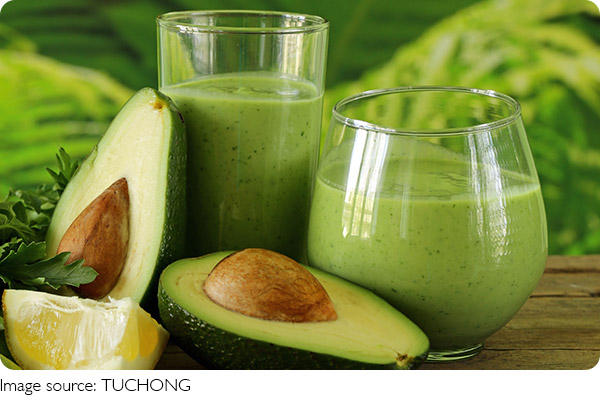
Avocados are known for being nutrient-dense. A serving provides fiber along with folate, potassium, vitamin K, vitamin E, vitamin C, and several B vitamins. Healthline highlights that avocados are especially notable for their potassium content, which supports normal body function and fluid balance. Unlike many foods that feel filling but offer little else, avocado gives both satisfaction and a wide range of nutrients at the same time.
Full of heart-friendly lipids
One of the biggest reasons avocado became so popular is its lipid profile. It is rich in monounsaturated lipids, particularly oleic acid, which are commonly included as part of healthy eating patterns. These lipids can help make meals feel more satisfying, and avocado's creamy texture makes it an easy substitute for less nutritious spreads or toppings in many recipes.
Fiber that helps you stay satisfied
Another reason avocado fits so well into daily meals is fiber. Fiber can help support digestion and may help people feel full for longer after eating. That matters in real life because foods that keep you satisfied are often easier to build into a steady routine. Avocado can turn a simple breakfast or lunch into something that feels complete, which is one reason it shows up so often in balanced meal ideas.
Easy to pair with other foods
Avocado is incredibly versatile, and that practical side matters just as much as nutrition. It can be spread on toast, added to grain bowls, tucked into sandwiches, spooned over eggs, or blended into dips and smoothies. Research suggests that the healthy fats in avocados may help increase the absorption of fat-soluble vitamins, such as vitamins A, D, E, and K, when eaten as part of a balanced meal. So when avocado is eaten with vegetables, it may help the body take in certain nutrients more effectively. That gives it an extra edge in salads and simple home meals.
Connected with balanced eating patterns
Part of avocado’s popularity comes from the way it fits naturally into eating styles people already enjoy. It works well in fresh meals built around vegetables, whole grains, beans, seeds, and lean protein choices. Because it tastes mild, it does not overpower a dish. Because it is satisfying, it can make healthier meals feel less restrictive. That is a big reason people see it as approachable rather than complicated.
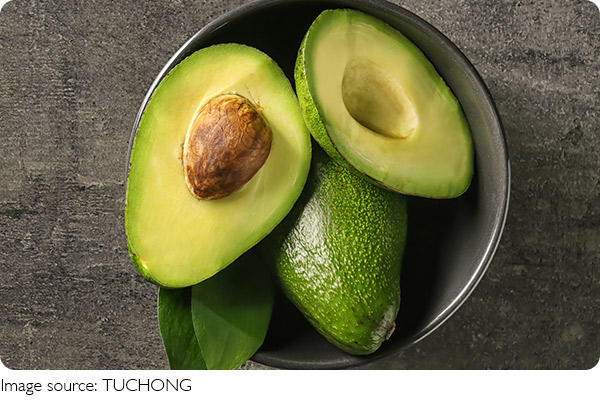
Avocado became a popular choice in healthy eating because it offers several things at once: nutrients, fiber, satisfying lipids, and easy use in everyday dishes. It feels comforting, convenient, and nourishing without asking for much effort. If you have been wondering why it keeps showing up on menus and in home kitchens, the answer is pretty simple. It helps people eat in a way that feels both enjoyable and supportive, and that is the kind of food that tends to stay loved for a long time.