Sky Flight Secrets

Caroll Alvarado
| 21-07-2026
 · Travel team
Have we ever looked up at a colorful hot air balloon floating across the sky and wondered, “How does it know where to go?” Unlike many flying vehicles, a hot air balloon does not have a steering wheel or a traditional control system.
Its movement looks simple, but behind every smooth flight is a combination of science, experience, and careful observation.
Today, we will explore how pilots control the direction of a hot air balloon and understand the skills that help them guide this amazing flying machine through the open sky.
Understanding How Hot Air Balloons Move
To understand direction control, we first need to know how a hot air balloon flies. A balloon rises because the air inside the large fabric envelope becomes warmer than the air outside. Warm air is lighter, so the balloon gains lifting power and moves upward.
However, going up and down is easier than moving left or right. A hot air balloon does not move forward by using a motor. Instead, it travels with the natural movement of the wind. Different heights often have different wind directions, and the pilot uses these changes to help guide the balloon.
This means that controlling a hot air balloon is more about choosing the right altitude and adjusting the flight path rather than directly turning the balloon like a vehicle on the ground.
Using Heat to Adjust Flight Height
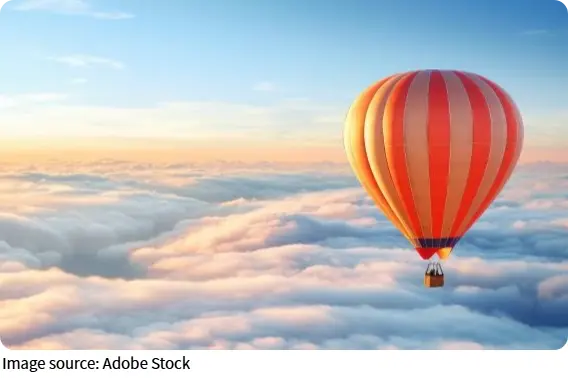
The burner system is one of the most important tools inside a hot air balloon. When the pilot needs the balloon to rise, they increase the heat inside the envelope. The warmer air creates more lifting power, allowing the balloon to climb higher.
When the pilot wants to descend, they reduce the heat and allow the air inside to cool slightly. The lifting power becomes lower, and the balloon slowly moves downward.
By carefully controlling the amount of heat, the pilot can choose different heights where wind conditions may help the balloon move in a preferred direction. This requires attention because even small changes in temperature can affect the balloon’s position in the sky.
Finding Direction Through Wind Layers
Many people think a hot air balloon can simply turn left or right, but the reality is more interesting. The balloon itself does not have a traditional turning system. Instead, pilots study wind patterns before and during the journey.
At one height, the wind may move toward one direction. A little higher or lower, the wind may travel another way. By changing altitude, the pilot can enter a different wind layer and gently guide the balloon toward a new route.
This process requires patience and careful decisions. Pilots often check weather information, observe the landscape below, and adjust the balloon’s height to make the best use of natural conditions.
Balance and Weight Adjustment
Weight balance also plays a role in hot air balloon control. The basket carries passengers, equipment, and special materials used during the flight. The way weight is arranged can influence the balloon’s balance.
For example, adjusting the position of equipment or supplies inside the basket can slightly change the balloon’s balance. A balanced balloon can fly more smoothly and help the pilot make more accurate adjustments.
Although these changes are usually small, experienced pilots understand how every detail can affect the overall flight experience.
The Importance of Pilot Experience
Flying a hot air balloon is not only about using equipment. A skilled pilot needs strong observation skills and good judgment. Before taking off, the pilot studies the weather, wind speed, and possible landing areas.
During the flight, the pilot watches how the balloon responds to heat changes and wind movement. They make many small adjustments instead of one large change. Over time, experience helps pilots understand how the balloon behaves in different situations.
Every flight becomes a learning experience. By combining knowledge, practice, and careful attention, pilots can create a safe and enjoyable journey through the sky.
A Beautiful Mix of Nature and Technology
Hot air balloon flights show us a unique relationship between humans and nature. Unlike machines that rely completely on engines, hot air balloons work together with natural forces. The wind provides movement, while the pilot uses knowledge and skills to guide the journey.
This balance is what makes hot air balloon travel so special. Every trip is slightly different because the sky, weather, and wind conditions are always changing.
Hot air balloons may appear simple, but their flight involves fascinating science and careful control. By adjusting heat, choosing the right altitude, understanding wind layers, and using experience, pilots can guide these gentle giants across the sky. Lykkers, next time we see a hot air balloon floating above us, let’s remember that every movement has a story behind it.
How Pilots Steer Hot Air Balloons? (It's Not What You Think)
Video by UnLogic