Protecting Wheat Quality

Nolan O'Connor
| 21-07-2026
 · Lifestyle team
A wheat field may appear ready for harvest, yet several days of poorly timed rainfall can quickly threaten grain quality.
When mature kernels repeatedly absorb moisture while still standing in the field, germination-related processes may begin before harvesting takes place.
Known as preharvest sprouting, this issue can reduce wheat quality and value even when visible sprouts are difficult to detect. For growers facing uncertain weather conditions near harvest, understanding when wheat becomes vulnerable can help protect grain quality and support better harvest decisions.
Sprouting Can Begin Before Damage Is Visible
Preharvest sprouting occurs when mature wheat kernels are exposed to conditions that encourage germination while they remain attached to the plant. Persistent rainfall, high humidity, and repeated cycles of wetting and drying create greater risk once the crop has reached physiological maturity.
During this stage, moisture can activate increased activity of alpha-amylase, an enzyme that breaks stored starch into smaller sugars needed by a developing seedling. This process is beneficial when a seed is planted, but it can create quality challenges when wheat is intended for food processing.
The important concern is that internal biochemical changes may begin before obvious sprouts appear. A field may look healthy while grain quality is already declining. Wheat varieties also differ in seed dormancy and tolerance to preharvest sprouting, while temperature and rainfall conditions influence how quickly the problem develops.
Why Grain Quality Testing Matters
The effects of preharvest sprouting extend beyond the appearance of individual kernels. Processing quality depends on balanced enzyme activity and stable starch characteristics.
Excessive alpha-amylase activity can affect how wheat flour performs during processing. Dough may become more difficult to manage, and finished products may experience changes in texture and quality. One commonly used measurement for evaluating this issue is the falling number test.
During this test, ground wheat is mixed with water and heated. The measurement shows how quickly a standardized stirrer moves through the mixture. Greater starch breakdown creates a thinner mixture, resulting in a lower falling-number value.
Quality requirements vary depending on intended use and market standards, but low falling-number results may indicate reduced processing quality. Understanding these requirements before harvest allows growers to make better decisions about timing, storage, and grain handling.
Physiological Maturity Creates a Critical Period
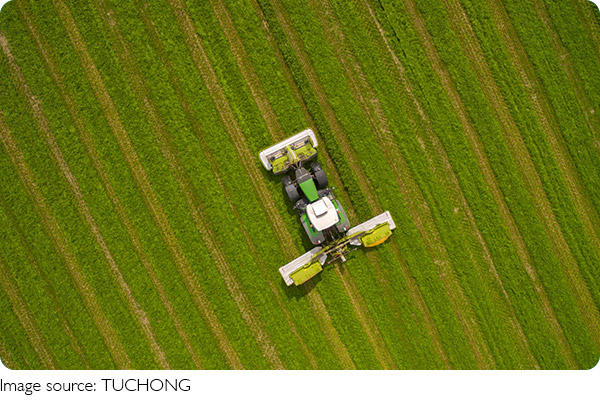
Harvest timing becomes especially important when wheat reaches physiological maturity. One field indicator is the loss of green color from the plant tissue below the grain head as grain filling is completed.
After maturity, keeping wheat in the field during repeated rainfall increases exposure to quality risks. Although grain may still require moisture reduction before safe storage, delaying harvest too long can allow weather conditions to affect grain quality.
Repeated rainfall events are especially concerning because mature kernels can absorb moisture, begin germination-related activity, partially dry, and then become wet again during another storm. The longer this cycle continues, the greater the opportunity for quality deterioration.
Monitoring individual fields is important because planting dates, varieties, soil conditions, and local weather patterns can cause different fields to reach harvest readiness at different times.
Earlier Harvesting Can Reduce Weather Exposure
When preharvest sprouting risk is increasing, harvesting wheat at a higher moisture level can help reduce additional exposure to rainfall.
A commonly used approach is to consider harvesting vulnerable fields when grain moisture is around 19% to 20%, provided suitable drying facilities or grain-handling arrangements are available. Wheat harvested at this moisture level requires proper drying before long-term storage.
The purpose of earlier harvesting is not to reverse existing sprouting damage. Once enzyme activity has increased and starch quality has changed, harvesting equipment cannot restore the original condition of the grain. Instead, removing wheat from the field helps prevent further exposure to unfavorable weather.
Growers should compare drying requirements with the potential quality losses caused by delayed harvesting. When extended rainfall is expected, additional drying efforts may help protect more grain value than waiting for ideal field moisture conditions.
Testing and Separating Grain Lots
Sampling provides useful information when mature wheat has experienced repeated rainfall. Representative grain samples can be evaluated before large quantities are harvested, stored, or combined.
Different fields may experience different levels of weather exposure. An earlier-maturing field may have faced more rainfall, while another field harvested later may maintain better quality characteristics.
Keeping grain lots separate allows growers to make more informed storage and delivery decisions. Combining lower-quality grain with higher-quality grain can affect the overall characteristics of the final lot.
Proper separation also provides greater flexibility during harvest management by allowing decisions to be based on the condition of each individual field.
Harvest Preparation Starts Before the Combine Arrives
Protecting wheat from preharvest sprouting requires planning before harvest begins. Growers should monitor crop maturity, follow weather conditions, prepare equipment early, and understand moisture and quality requirements before making harvest decisions.
Drying capacity should also be considered before harvesting wetter grain. Proper moisture management and storage practices are essential because grain placed into storage with excessive moisture can develop additional quality concerns.
Variety selection provides another long-term management strategy. In areas where wet harvest conditions are common, choosing wheat varieties with stronger tolerance to preharvest sprouting can help reduce vulnerability, although no variety eliminates the need for timely harvesting.
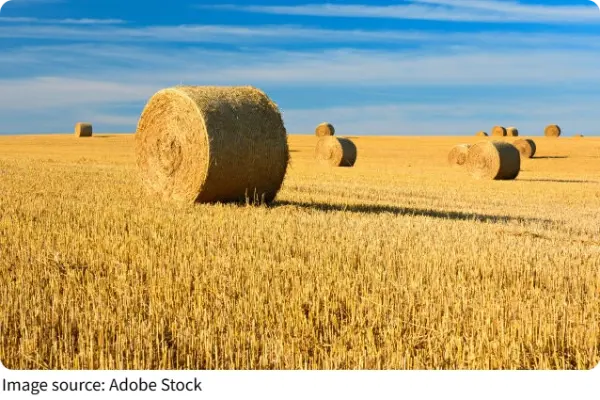
Preharvest sprouting is a major harvest management challenge because wheat quality can decline quickly between maturity and harvest. Once repeated moisture activates germination processes inside mature kernels, the resulting quality changes cannot simply be corrected after harvesting.
By monitoring crop development, evaluating weather risks, testing grain quality, and making timely harvest decisions, growers can better protect wheat quality and reduce avoidable losses.