Grain Harvest Guide

Mariana Silva
| 21-07-2026
 · Lifestyle team
Harvest season represents one of the most important stages in crop production. After months of planting, irrigation, fertilization, and crop management, harvesting determines the final quality and productivity of the growing cycle.
Successful grain harvesting requires more than simply operating machinery in the field. It depends on accurate assessment of crop maturity, suitable weather conditions, properly adjusted equipment, and careful post-harvest management. Harvesting at the right time helps protect grain quality, reduce losses, and preserve the results of an entire growing season.
Identifying the Right Time to Harvest
Determining the ideal harvest period begins with evaluating crop maturity rather than relying only on the calendar. Different grain crops mature at different rates, but several indicators help determine when fields are ready.
Grain moisture content is one of the most important measurements during harvest preparation. Wheat and barley are commonly harvested when grain moisture reaches approximately 13% to 14%, while corn is often harvested at higher moisture levels before undergoing drying for safe storage.
Visual observations also provide valuable information. Mature grain heads generally lose their green color, stems become dry, and kernels develop a firm texture. Evaluating multiple areas throughout a field provides a more accurate assessment than checking only field edges, where conditions may differ.
Weather conditions play an equally important role in harvest decisions. Rain during crop maturity can delay field operations and affect grain quality. Monitoring weather patterns allows producers to select suitable harvesting periods and reduce potential quality issues.
Preparing Harvest Equipment Before Operation
Proper equipment preparation is essential for efficient harvesting and maintaining grain quality. Before entering the field, combine harvesters should undergo thorough inspection and servicing to ensure reliable performance.
Important components, including cutter blades, belts, chains, bearings, hydraulic systems, and drive mechanisms, should be checked for wear, correct adjustment, and proper lubrication. Well-maintained equipment reduces unexpected downtime and supports smoother harvesting operations.
Equipment settings should also be adjusted according to crop type and field conditions. Factors such as reel speed, header height, rotor or cylinder speed, concave clearance, fan settings, and sieve adjustments directly influence grain separation efficiency.
Accurate calibration helps minimize broken kernels, reduce grain loss, and improve overall harvesting performance.
Reducing Grain Loss During Harvest
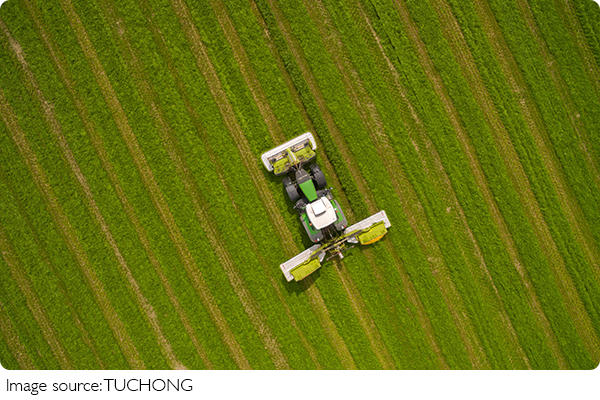
Even productive fields can experience significant losses if harvesting operations are not properly managed. Grain loss can occur during several stages, including crop gathering, threshing, separation, and cleaning.
Header losses occur when grain fails to enter the harvesting system. Maintaining suitable ground speed and adjusting the reel position correctly can help reduce losses during crop collection.
Operating machinery too quickly may exceed the capacity of the harvesting system, causing incomplete separation and leaving valuable grain behind. Careful monitoring of field conditions and equipment performance allows operators to maintain efficient harvesting results.
Maintaining Grain Quality After Harvest
Harvesting is only the beginning of grain quality management. Proper handling after collection is essential to preserve the condition of harvested grain.
Freshly harvested grain should be cleaned to remove broken kernels and unwanted material before storage. Removing impurities improves airflow and helps create better storage conditions.
Moisture control remains one of the most important factors in grain preservation. Grain stored with excessive moisture may experience quality problems caused by increased temperature, uneven airflow, and unwanted biological activity.
Proper aeration systems help maintain stable storage conditions by improving temperature control and reducing moisture accumulation inside storage facilities.
Protecting Grain During Transportation
Transportation is another important stage in maintaining grain quality. Storage containers, trailers, conveyors, and handling equipment should be cleaned before use to prevent contamination from previous materials or debris.
Careful movement during loading and unloading helps reduce kernel damage, especially in crops where broken grain affects storage stability and overall quality. Operating transportation equipment at appropriate speeds supports efficient handling while minimizing physical damage.
Technology Improving Harvest Efficiency
Modern agricultural technology has improved the precision and efficiency of grain harvesting. Advanced guidance systems help reduce unnecessary overlap between harvesting passes, improving operational efficiency and reducing resource use.
Yield monitoring technology provides detailed information about crop performance across different field areas. This data helps producers evaluate growing conditions, soil variations, irrigation practices, and crop management strategies for future seasons.
Additional tools, including moisture sensors, machine monitoring systems, and remote management technologies, provide real-time information that supports better decision-making during harvest operations.
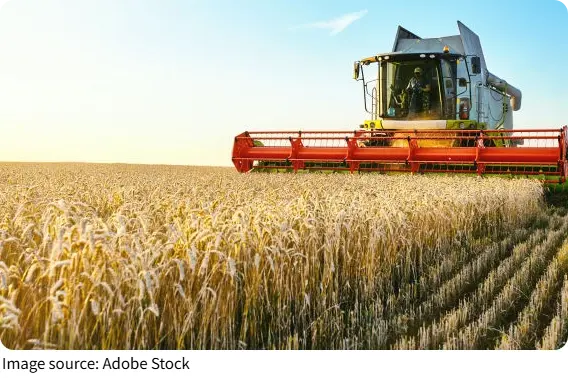
Grain harvesting is the final stage of a complex production process that combines careful planning, accurate timing, equipment management, and proper post-harvest practices. Every decision made before, during, and after harvest influences the quality and value of the final grain supply.
By understanding crop maturity, maintaining equipment, reducing losses, and applying effective storage methods, producers can improve harvest efficiency and protect grain quality. A successful harvest is not only measured by the amount collected but also by how well each stage of the process preserves the results of the growing season.