Spiral Room Magic

Liam Reilly
| 09-07-2026
 · Lifestyle team
A spiral staircase in a modern living room is more than a way to reach the next floor. For Lykkers, it can become a sculptural feature, a space-saving solution, a photo-friendly detail, and a clever reminder that good design can be useful and beautiful at the same time.
With smart planning and a few practical habits, this curving structure can make daily living feel smoother, lighter, and more memorable.
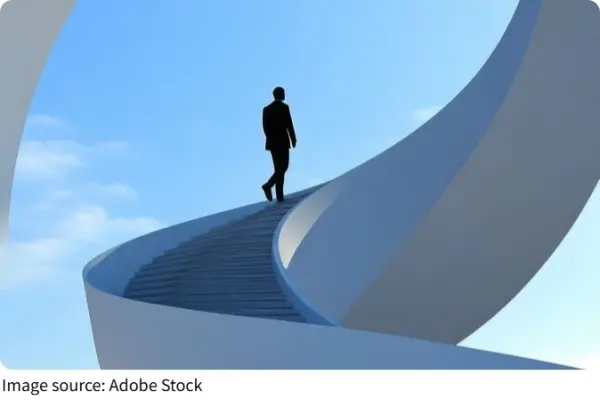
Design Around The Curve
A spiral staircase naturally attracts attention. It rises through the room like a graceful twist, so your living area needs to work with it, not compete against it. This part helps you shape the room around the staircase with comfort, safety, and style in mind.
Let it be the visual anchor
A spiral staircase already has strong personality. Instead of filling the room with too many loud pieces, let the curve become the main feature. Choose nearby furniture with cleaner lines so the staircase has room to breathe.
A simple sofa, low coffee table, soft rug, and calm wall color can make the staircase look intentional. If the staircase has metal, glass, or wood details, repeat one of those materials in small ways. A wooden side table, black lamp, or glass vase can quietly connect the room.
The trick is balance. You want guests to say that staircase looks amazing, not why is every object shouting at once.
Protect the walking flow
A spiral staircase saves floor area, but it still needs clear movement around it. Keep furniture away from the entry and exit points. You should be able to walk to the first step without turning sideways like a cartoon thief.
Leave enough open area near the base for people to pause, turn, or carry small items. Avoid placing fragile decor too close. Bags, elbows, and hurried mornings can turn pretty objects into floor confetti.
A helpful test is the laundry basket test. Carry a basket or box along the route. If it bumps into chairs, tables, or plants, the layout needs more breathing room.
Use lighting like a design trick
Lighting can make a spiral staircase feel dramatic without making the room feel like a stage set. Place soft lighting near the steps, under the rail, or on the wall beside it. Warm lighting makes the structure feel welcoming at night.
Natural light also matters. If a window sits nearby, keep heavy curtains from blocking it. Sunlight can create curved shadows that make the staircase look different throughout the day.
For daily safety, make sure every step is easy to see. Beautiful shadows are lovely; mysterious steps are not. If children, older relatives, or guests use the staircase, clear lighting becomes even more useful.
Choose materials with real life in mind
A modern spiral staircase may feature metal, wood, glass, concrete, or mixed materials. Each one creates a different mood. Metal feels sharp and urban. Wood feels warmer. Glass feels light and open. Concrete feels bold and architectural.
Think beyond appearance. Will the steps feel slippery with socks? Will the surface show dust quickly? Will the rail feel comfortable in the hand? Will the finish suit pets, family traffic, and daily cleaning?
A staircase is not a sculpture only. It is touched, stepped on, cleaned, and passed daily. The best material is the one that still feels good on an ordinary Tuesday.
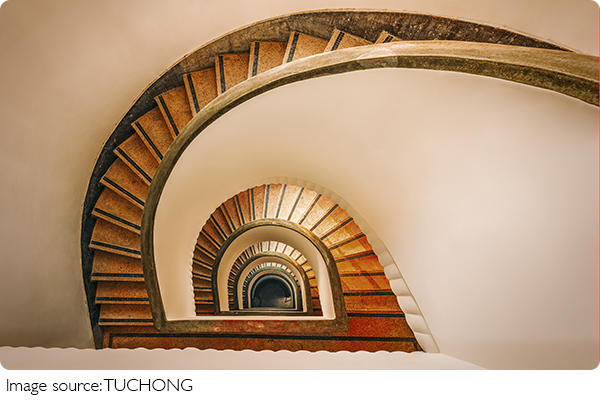
Living With A Spiral
Once the room looks good, daily habits matter. A spiral staircase can make a living room feel smart and stylish, but it also asks for thoughtful use. This part gives Lykkers practical ideas for making the most of the feature without letting it become awkward.
Keep the steps clear
Never treat spiral steps as mini shelves. It may seem convenient to place books, shoes, toys, plants, or delivery packages there for just a minute, but that minute often becomes three days.
Create a nearby drop zone instead. Use a slim console, basket, or wall hook close to the staircase but outside the walking path. This gives loose items a place to go without turning the steps into an obstacle course.
A one-minute evening reset works well. Before bedtime, scan the staircase area and remove anything that does not belong. The room feels cleaner, and the next morning starts with fewer surprises.
Style the wall, not the steps
If the staircase feels visually empty, decorate around it rather than on it. A curved wall, nearby vertical surface, or landing area can hold art, framed photos, a tall plant, or a slim floor lamp.
Choose decor that follows the upward feeling. A series of small framed prints arranged in a rising pattern can echo the staircase movement. A tall indoor plant beside the base can soften metal or concrete. A mirror nearby can reflect the curve and make the room feel larger.
Keep decor secure and stable. Anything near a staircase should survive daily movement and the occasional rushed visitor.
Create a cozy under-curve moment
Depending on the staircase shape, the area beneath or near the curve may become a useful mini zone. You can create a reading nook, plant corner, small display area, or pet rest area.
Use low furniture and rounded pieces so the zone does not fight the curve. A small chair, side table, cushion, or woven basket can make the area feel intentional. If space is tight, keep it simple with one plant and one lamp.
Do not overfill this area. Spiral staircases look best when the eye can follow the curve. Too much clutter at the base makes the design feel heavier.
Make it photo-friendly
A spiral staircase is naturally photogenic. For a stylish room photo, stand slightly to one side so the curve is visible. Let the staircase lead the eye upward. Keep the floor tidy and remove random cables, shoes, and bags before taking photos.
For personal portraits, sit on a lower step only if it is safe and wide enough. Keep one hand near the rail and choose a relaxed pose. A book, cup, or soft sweater can make the scene feel natural.
Morning or late afternoon light often works well. At night, turn on layered lighting rather than one harsh ceiling light. The staircase will look more elegant, and everyone’s face will look less like a startled passport photo.
Use sound and texture wisely
Some staircases amplify footsteps. Metal or open designs may sound louder than expected, especially in a quiet living room. Add soft textiles nearby to absorb sound: rug, curtains, cushions, upholstered seating, or wall fabric art.
Texture also keeps a modern room from feeling cold. If the staircase is sleek, add warmth through woven baskets, linen cushions, wood accents, or soft throws. If the staircase is wooden, use cleaner decor so the room does not become too visually heavy.
A good modern room feels calm, not empty. The staircase brings the structure; texture brings comfort.
Plan for real users
A spiral staircase looks elegant, but it may not suit every daily need. If someone carries large items often, uses mobility support, or needs extra stability, plan carefully. A strong rail, good lighting, non-slip step surface, and clear walking path are essential.
For families, set simple rules. No running. Hold the rail. Keep toys away. Carry drinks carefully. These are not boring rules; they protect the beautiful feature from becoming daily chaos.
If you are designing from the beginning, consult a qualified professional about measurements, code requirements, rail height, step depth, and load needs. Stylish design should still respect safe construction.
A spiral staircase in a modern living room can give Lykkers beauty, movement, and smart use of space. Let it anchor the room, keep paths clear, choose practical materials, and style around the curve with restraint. When design and daily habits work together, the staircase becomes more than access between floors. It becomes part of how the room lives.