Motorcycle Engineering

Mariana Silva
| 15-07-2026
 · Automobile team
Motorcycles are the result of advanced engineering that combines mechanical design, materials science, electronics, and precision manufacturing.
Every component, from the engine and frame to the suspension and braking systems, is carefully developed to improve performance, efficiency, and rider control.
Modern motorcycle engineering focuses on creating machines that are lighter, stronger, safer, and more responsive. Through continuous innovation, engineers improve how motorcycles handle different riding conditions while maintaining reliability and durability.
The Foundation of Motorcycle Engineering
Engine Design and Performance
The engine is one of the most important systems in a motorcycle, converting energy from fuel or electricity into mechanical power. Engineers carefully design engine components such as cylinders, pistons, valves, and cooling systems to achieve a balance between power output, efficiency, and durability.
Modern engines use advanced technologies to improve combustion efficiency, reduce heat buildup, and deliver smoother power delivery. Precise engineering helps motorcycles achieve better acceleration while maintaining reliable operation over long periods.
Frame Design and Structural Strength
The motorcycle frame provides the foundation for stability, handling, and rider safety. Engineers analyze materials, weight distribution, and structural design to create frames that are both strong and lightweight.
Materials such as advanced alloys and composite structures allow engineers to reduce unnecessary weight while maintaining durability. A well-designed frame improves cornering ability, balance, and overall riding confidence.

Advanced Motorcycle Systems
Suspension and Handling Technology
The suspension system plays a critical role in maintaining tire contact with the road. It absorbs impacts from uneven surfaces while helping riders maintain control during acceleration, braking, and cornering.
Engineers develop suspension components such as forks, shock absorbers, and adjustable damping systems to improve comfort and handling performance. Proper suspension tuning allows motorcycles to respond more effectively to different riding conditions.
Braking and Safety Engineering
Motorcycle braking systems require precise engineering because they directly affect rider control and safety. Modern braking technology focuses on improving stopping performance, stability, and control.
Advanced systems monitor wheel movement and braking pressure to help maintain balance during sudden stops or challenging road conditions. These technologies support riders by improving confidence and reducing the risk of braking instability.
The Role of Electronics in Modern Motorcycles
Electronic Control Systems
Modern motorcycles increasingly rely on electronic systems to optimize performance. Sensors and control units collect information about speed, engine operation, and riding conditions to adjust motorcycle responses.
Electronic systems can improve throttle control, power delivery, and overall riding stability. These technologies allow motorcycles to operate more efficiently while providing smoother performance.
Digital Monitoring and Connectivity
Digital displays and monitoring systems provide riders with important information about motorcycle operation. Data related to speed, fuel efficiency, system status, and maintenance requirements helps riders better understand their motorcycle’s condition.
Improved connectivity features also allow motorcycles to integrate more effectively with modern riding tools and information systems.
Materials and Manufacturing Innovation
Motorcycle engineering continues to improve through advances in materials and production methods. Lightweight metals, stronger components, and precision manufacturing techniques help create motorcycles with better performance and durability.
Engineers use computer simulations and testing methods to evaluate designs before production. This approach improves reliability while allowing engineers to develop more efficient and refined motorcycle systems.
The Future of Motorcycle Engineering
The future of motorcycle development will continue to focus on improving efficiency, safety, and performance. Engineers are exploring new technologies in energy systems, intelligent controls, lightweight materials, and advanced manufacturing.
As engineering continues to evolve, motorcycles will become more refined machines that combine mechanical performance with modern technology. The combination of innovation and precise design will continue shaping the next generation of motorcycles.
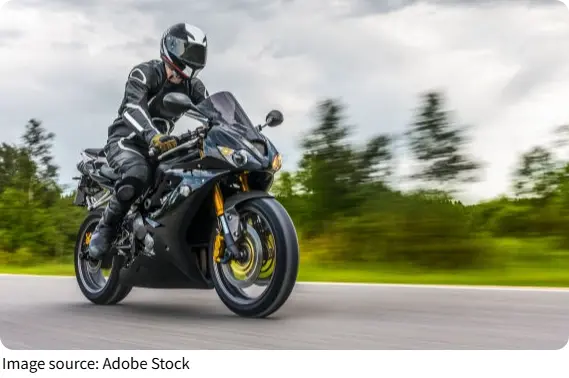
Motorcycle engineering involves the careful integration of mechanical systems, electronic technology, materials, and design principles. Every component contributes to performance, stability, and rider experience.
Through continuous engineering improvements, motorcycles continue to become more efficient, reliable, and advanced. The future of motorcycles will be defined by smarter systems, improved safety features, and innovative technical solutions.