Garden Tool Essentials

Declan Kennedy
| 17-06-2026
 · Lifestyle team
If we enjoy spending time in a garden, we already know how rewarding it feels to see plants grow and change. But what often makes the experience smoother is not only care and patience, but also having the right tools in hand.
Whether we are just starting out or already experienced, simple equipment can make planting, trimming, and cleaning far more enjoyable. Today, we will walk through ten essential garden tools that help us create a healthier, more organized outdoor space with less effort and more joy.
Hand Trowel: Small but Powerful Helper
A hand trowel is one of the most basic tools we can own. It fits comfortably in our hand and is perfect for digging small holes, moving young plants, and loosening soil. When we want to transplant seedlings or remove small weeds, this tool becomes extremely useful. Its simple shape hides its versatility, making it a daily companion in almost every gardening task.
Pruning Shears: Keeping Plants in Shape
Pruning shears help us maintain plant health and appearance. With them, we can trim small branches, remove overgrown parts, and shape plants for better growth. Clean cuts help plants recover quickly and stay strong. Many edible plants also benefit from careful trimming during harvest, which allows continued growth. Choosing a comfortable and sharp pair makes our work smoother and more precise.
Gardening Gloves: Protection for Our Hands
When we spend time in soil, protection matters. Gardening gloves shield our hands from rough surfaces, thorns, and dirt. They also help us grip tools more securely. With different materials and sizes available, we can select a pair that feels comfortable and flexible, allowing us to work longer without discomfort.
Garden Hoe: Breaking and Cleaning Soil
A garden hoe is designed for loosening soil and removing unwanted plants. Its long handle helps us reach wider areas without bending too much. By gently breaking compact soil, it improves air and water flow, which supports plant growth. Different shapes of hoes offer different advantages, so choosing one depends on the type of garden we maintain.
Watering Can: Gentle and Direct Hydration
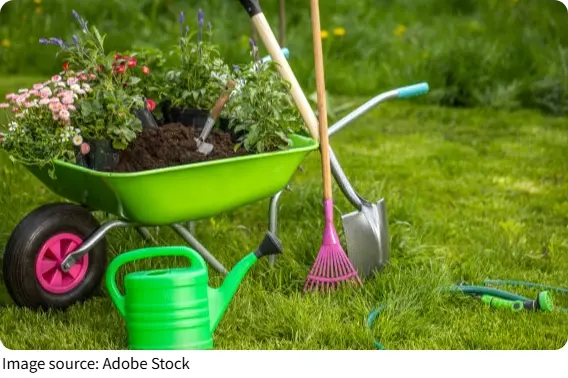
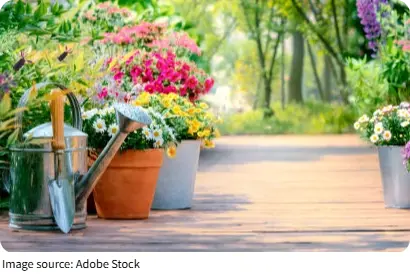
A watering can helps us deliver water directly to plant roots in a controlled way. This reduces waste and avoids wetting leaves too much, which can sometimes lead to plant issues. With a well-designed spout, water flows evenly and gently. Different sizes are available, making it easier for us to match it with our garden space.
Garden Fork and Rake: Soil Care Partners
A garden fork helps us turn soil and mix compost, making nutrients spread more evenly. It works well in loosening dense ground without disturbing plant roots. Meanwhile, a garden rake helps smooth soil, remove debris, and spread mulch evenly. Together, these two tools support a clean and healthy growing environment.
Wheelbarrow: Easy Transport Solution
When we need to move soil, compost, or tools, a wheelbarrow becomes extremely helpful. Instead of carrying heavy loads by hand, we can transport materials smoothly from one area to another. This saves energy and time, especially when working in larger spaces. Choosing a stable and well-balanced design makes a noticeable difference.
Soil Tester and Garden Scissors: Precision Matters
A soil tester helps us understand soil conditions, especially its acidity or alkalinity level. This information is important because different plants thrive in different soil environments. By knowing the condition, we can adjust soil quality more effectively for better plant growth.
Garden scissors, on the other hand, are ideal for cutting flowers and greenery cleanly. They allow us to trim without damaging stems, supporting healthy regrowth and beautiful arrangements. A well-made pair makes delicate tasks easier and more enjoyable.
Building a More Enjoyable Gardening Experience
When we combine these ten tools, gardening becomes more organized, efficient, and enjoyable. From digging and trimming to watering and transporting materials, each tool plays a clear role in supporting plant care. We do not need to rush or overcomplicate the process; instead, having the right equipment helps us work naturally and comfortably.