Balanced Riding Position

Pardeep Singh
| 10-06-2026
 · Lifestyle team
Proper riding posture is not about appearing rigid in the saddle. It is about moving in harmony with the horse, maintaining stability, and communicating clearly through subtle body alignment.
Whether you are a beginner or an experienced rider, regularly checking your position can significantly improve your overall riding experience.
Find Your Alignment from Head to Heel
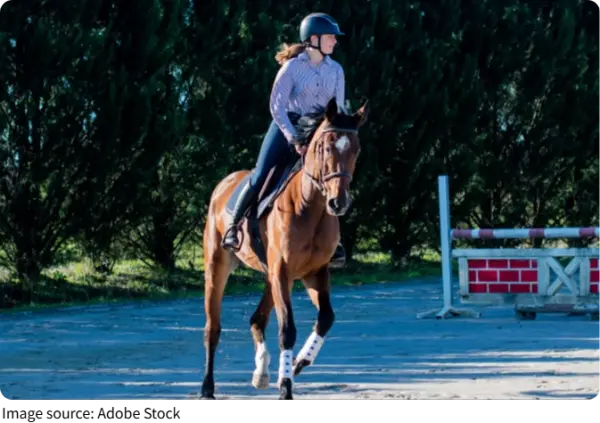
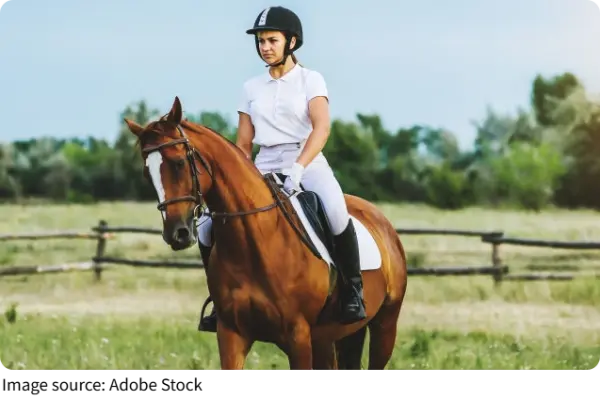
Visualize a straight vertical line running from your ear through your shoulder, hip, and down to your heel. This alignment helps maintain balance over the horse’s center of gravity. Leaning forward can shift excessive weight onto the horse’s forehand and disrupt balance, while leaning back can interfere with the horse’s natural movement. Keep your head lifted and your eyes focused forward, looking between the horse’s ears rather than downward. Shoulders should remain relaxed, level, and free from tension.
Leg Position and Stirrup Length
Your lower leg provides essential stability and support. Keep your knee softly bent, with your calf resting naturally against the horse’s side without gripping. Stirrup length should allow a balanced position that supports stability and control. If the stirrups are too long, control is reduced; if too short, the rider may grip excessively with the knee. Keep your toes pointing forward or slightly inward, avoiding outward rotation. The heel should remain lower than the toe to support balance and absorb movement.
Hands and Rein Contact
Hands should be carried steadily above the horse’s withers, held a short distance apart, with a straight line from the elbow to the bit. Wrists should remain neutral, neither dropped nor raised. Maintain a consistent, gentle rein contact that allows clear communication without pulling or tension. Inconsistent hand movement can create unclear signals and affect the horse’s responsiveness.
Common Posture Mistakes to Avoid
A frequent mistake is gripping too tightly with the knees, which can cause the lower leg to swing backward and destabilize the seat. Instead, allow the hips to remain open and the weight to settle naturally through the seat bones. Another common issue is rounding the shoulders or looking downward, which disrupts overall alignment. Practicing riding without stirrups at a walk can help improve balance awareness. Avoid a forward-leg position, as it can restrict hip movement and place the rider behind the horse’s motion.
Exercises to Improve Your Seat
Before riding, gentle stretching of the hips and lower back can improve flexibility. While mounted, practicing short intervals without stirrups at the walk or trot can help develop a deeper and more independent seat. Focus on evenly distributing weight across both seat bones. If imbalance is consistently noticed on one side, it may affect the horse’s movement. A supervised lunge session can help refine posture without the distraction of steering.
Developing correct riding posture is an ongoing process that requires awareness, repetition, and patience. By focusing on small adjustments—such as alignment, relaxed shoulders, and balanced leg position—you can steadily improve stability and communication with your horse. Over time, these fundamentals lead to a smoother, safer, and more effective riding experience for both rider and horse.