Egrets: Master Fish Hunters

Lucas Schneider
| 01-06-2026
 · Animal team
Hi, Readers!
You know that graceful, all-white bird standing perfectly still by the water's edge like it's posing for a nature magazine cover?
Turns out, it's not just looking pretty. That long-legged beauty is plotting its next meal with the focus of a seasoned chef waiting for the perfect moment to plate a dish.
Egrets are, without a doubt, some of the most skilled and strategic hunters in the bird world, and their techniques are way cooler than most people realize.

Built for the Hunt
The Great Egret is a widely recognized wading bird known for its striking appearance. This tall, elegant bird features pristine white plumage, a long S-curved neck, and distinct black legs. Its bright yellow bill stands out in marshes, ponds, and shallow coastal areas. But all that beauty isn't just for show.
Egrets possess long, slender legs that allow them to wade into shallow water without causing significant disturbance, letting them approach prey quietly and stealthily. Their legs are often colored greenish or yellowish, blending with aquatic vegetation and muddy waters, providing camouflage. Nature basically handed them a stealth suit and a spear. Not bad at all.
The Classic "Freeze and Strike" Move
Think of this as the egret's signature dish. Great Egrets employ a range of effective hunting strategies, focusing on precision and patience in shallow waters. Their most characteristic method involves standing motionless for extended periods, waiting for prey to come within striking distance. They also engage in slow wading or stalking through the water.
Once prey is spotted, the egret delivers a fast, accurate strike with its long, dagger-like bill. It's like watching a ninja who took a very, very long coffee break before suddenly moving at lightning speed. Their long, S-curved neck allows them to extend rapidly to spear or grasp their target.
The Snowy Egret's Wild Dance Party
Not every egret hunts with quiet dignity. Some go full chaos mode. The Snowy Egret, a smaller and more active hunter, uses dynamic methods like shuffling its feet to stir up prey in shallower waters. Their diet primarily consists of smaller fish and crustaceans. They are known for their diverse foraging techniques, including running through water and even hovering before diving to catch prey.
And it gets weirder. Snowy Egrets are known for shuffling their bright yellow feet in the shallow water to scare up dinner, and have even been caught employing a bubble-blowing hunting technique to attract invertebrates and small fish. Honestly, this bird out here is running its own fishing business with a full bag of tricks.
The Art of Lure Fishing
Yes, you read that right. Egrets actually use bait. Some egrets will wade into deep water and vibrate their bills, trying to mimic the vibrations of an insect trapped by surface tension. The fish or frog comes to the surface hoping for a meal, only to become one. It's a full-on con job. The egret sets the trap, the fish falls for it, and dinner is served.
There's also the aerial approach: egrets use a technique called "dip-fishing," where they fly with their feet over the water while stalking their prey in shallow water. Basically, fishing from a plane. Respect.
What's on the Menu
These birds are not picky eaters. The Great Egret is a carnivore with a diverse diet, primarily consisting of aquatic animals. Fish form the mainstay of their diet, often comprising two-thirds of their consumed prey, with sizes typically 10 centimetres or less. Beyond fish, they consume crustaceans like crayfish and shrimp, amphibians such as frogs and salamanders, and aquatic insects including dragonflies, water beetles, and molluscs.
Where They Live and Nest
When they're not hunting, egrets are setting up some seriously social living arrangements. Egrets typically nest in colonies, often alongside other heron and bird species. They build nests out of sticks, reeds, and other vegetation, usually in trees or shrubs near water.
Nests are typically built 20 to 40 feet above ground in medium-sized trees, which is basically a penthouse suite with a water view. Great egrets prefer living near any water body, occurring along streams, lakes, in saltwater and freshwater marshes, muddy areas, and ponds. Just like other heron species, these birds are most frequently found in wetlands and wooded swamps.
Timing Is Everything
Even the smartest hunters know when to clock in. Early morning and late afternoon are peak feeding periods because many fish are more active near the surface while temperatures remain moderate. Some species hunt at dawn or dusk when glare is reduced but visibility remains sufficient.
Calm water aids visibility and stealth, while windy conditions can reduce hunting success because ripples disrupt clear views beneath the surface. So the egret is also a bit of a meteorologist strategist. Waking up at sunrise to eat like a champion, every single day.
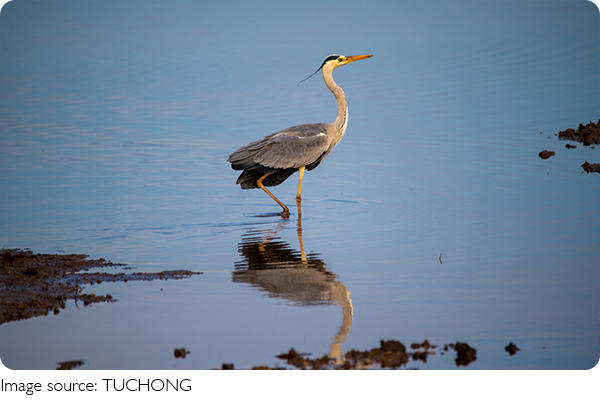
Next time you spot an egret standing still by a pond, don't be fooled by that serene look. That bird is locked in, running calculations, and about to execute a move that took millions of years of evolution to perfect. Share this with a friend who thinks birds are boring, and watch them instantly become a bird nerd. You're welcome!