Vintage Study Room Guide

Caroll Alvarado
| 01-06-2026
 · Art team
If your study corner currently looks like a printer exploded next to a sad swivel chair, don't worry, this guide will help transform it into a more inviting and functional space.
A vintage-styled study room is a timeless design choice that combines warmth, character, and practicality. Think less like a modern office and more like a classic reading room filled with personality and charm. The following ideas can help create a study space that feels both comfortable and inspiring.
Pick Your Vintage Personality First
Before you buy a single brass handle, you need to decide what style of vintage you are going for. The term "vintage" covers many styles, so it helps to decide on a specific theme before decorating.
You could go for a traditional vintage style, with rich wood tones, antique bookshelves, ornate lighting, and detailed wallpaper. Or maybe mid-century vintage is your thing, with sleek wooden desks, minimalist decor, and warm lighting for a cozy but uncluttered feel.
There is also rustic vintage, which leans into distressed wood furniture, industrial metal accents, and old maps or globes for a classic touch.
Selecting a primary style and maintaining consistency throughout the room will create a more polished and visually balanced space.
Build Your Old Book Wall
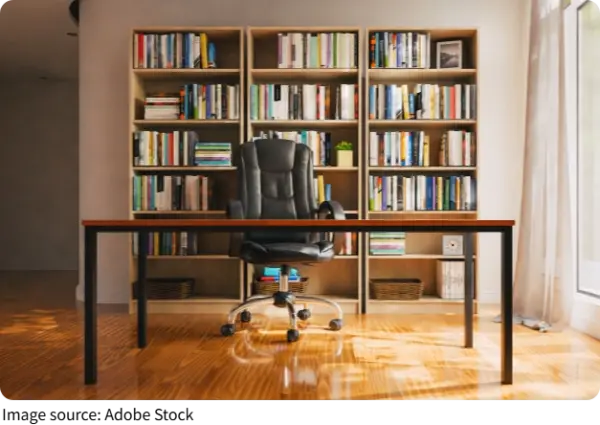
Nothing says classic study room quite like a wall of old books.
Old books and manuscripts stacked on shelves add instant charm and make the space feel genuinely lived-in. The trick is not just piling random volumes together.
Barrister bookcases bring authentic vintage storage, as these stackable units have glass fronts to protect your books, and you can build them up to the ceiling for a proper library feel.
If you want something more relaxed, wall-mounted shelves are perfect for smaller spaces, holding books, candles, and decorative items without taking up floor space.
Stack some horizontally, lean others vertically, tuck in a small globe or a framed piece of art, and make it look like the books have been living there for decades rather than appearing newly arranged.
The Brass Clock: Your Room's Focal Point
A brass clock is not just a timekeeping device; it can also serve as a decorative focal point within a vintage study room.
Adding an antique-style clock helps you keep track of time while you work, and options like mantel clocks, pocket watches, or hourglasses each bring a different visual character while still serving a practical purpose.
Position the clock on a bookshelf, mantel, or desk where it can be appreciated as part of the room's overall design.
Get Your Lighting Right
This step is important because lighting plays a major role in creating the desired atmosphere.
Lighting plays a huge role in creating the right atmosphere, and a combination of warm, soft lights and task lighting keeps a vintage study room both functional and inviting.
A vintage-inspired desk lamp with a green glass shade can provide focused illumination for reading and writing while contributing to a classic aesthetic.
For layering, add warm decorative lighting along bookshelves or windows for gentle background illumination, and mount wall sconces with antique-style finishes on either side of your reading chair to help balance the light.
Most importantly, avoid bright white lights, as they can feel too modern and harsh for a vintage-inspired space. Warm, yellow-toned bulbs generally work best.
Colors That Set the Tone
Your color palette plays a significant role in establishing the room's atmosphere.
Your vintage study room starts with colors that feel timeless because the right palette sets the mood and gives your space that layered, lived-in appearance.
Forest green is a classic choice for walls, creating a library-inspired atmosphere and pairing beautifully with warm wood and brass.
Burgundy works well as an accent color in upholstery, curtains, or decorative accessories, adding warmth without overwhelming the space when used in moderation.
Keep the metal finishes consistent throughout the room. Choose one primary finish, such as brass, bronze, or aged copper, and use it consistently for a cohesive appearance.
Finishing Touches That Tell a Story
The difference between a good vintage study and a great one is often found in the details that make it feel personal.
Bring in vintage photos, inherited books, or antique writing tools that hold personal meaning.
Not everything has to be a true antique. Secondhand markets and vintage shops can be excellent places to find unique, budget-friendly furniture and decor. Sanding and staining newer furniture can also help create an aged appearance.
Mixing vintage finds with modern pieces can create a balanced and functional design.
Even the smallest swap matters. Replacing modern handles on a desk with brass ones can make a noticeable difference.
If you want to limit distractions, hide cables, use a vintage-inspired clock instead of frequently checking your phone, and keep unnecessary digital devices to a minimum.
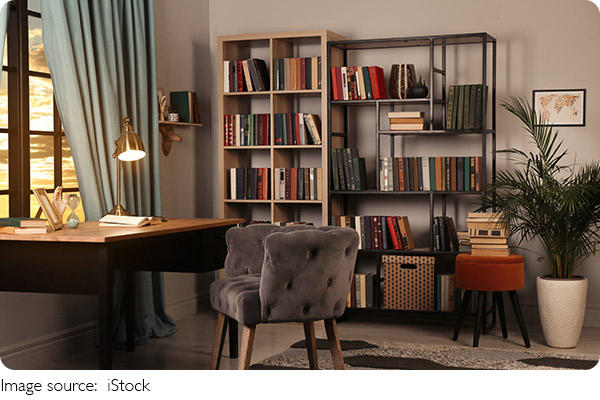
Whether you have an entire spare room or just a small unused corner, creating a vintage study space is entirely achievable.
By combining classic furniture, thoughtfully arranged books, warm lighting, timeless colors, and meaningful decorative details, you can create an environment that feels comfortable, functional, and full of character.
A well-designed vintage study room not only enhances the appearance of a space but also encourages focus, reading, learning, and creativity.