Small Study Corner Ideas

Caroll Alvarado
| 02-06-2026
 · Lifestyle team
If you have ever looked at an underused corner in your room and thought about making better use of the space, you are not alone.
Small-room corners often seem underutilized, yet with thoughtful planning, they can become highly functional areas. A quiet corner can be transformed into a dedicated study space that supports focus, organization, and productivity.
Start with the Right Desk Setup
An L-shaped desk is well suited for compact rooms because it utilizes corner space efficiently and creates separate areas for different tasks without overwhelming the room. However, not every room has sufficient space for this layout.
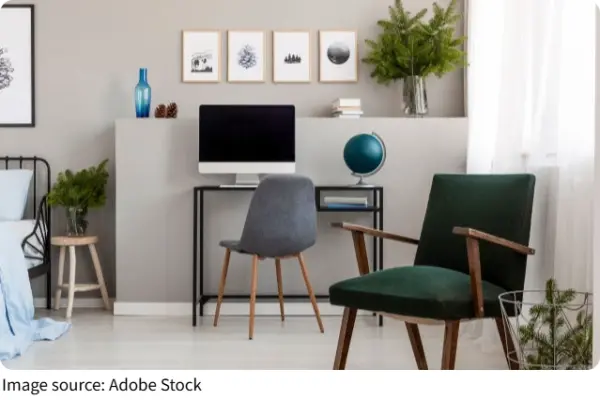
A straight desk positioned diagonally across the corner can create a more open and visually balanced arrangement. A floor plant or floor lamp placed behind the desk can add depth to the overall design. Another practical option is a floating corner desk, which reduces visual bulk and helps the room feel more spacious by keeping the floor area visible.
Maximize Vertical Storage
One of the most effective ways to optimize a small corner is to utilize vertical space.
When desk space is limited, wall-mounted shelves can accommodate books, stationery, and other essentials above the workspace rather than on the desk surface. This approach helps maintain a cleaner and more organized work environment.
Tall, narrow bookcases designed for corner placement can also provide substantial storage while occupying minimal floor space. For a lighter visual appearance, a wall-mounted storage unit can help organize paperwork and cables while preserving an open and uncluttered feel.
Create Effective Lighting
Lighting is often overlooked, yet it plays a significant role in comfort and productivity.
Avoid relying solely on overhead lighting, which can create shadows across the work surface. Instead, incorporate layered lighting by combining task lighting with ambient lighting. A wall-mounted light fixture can save valuable workspace, while a desk lamp provides focused illumination for reading, studying, and detailed tasks.
If natural light is limited, a mirror positioned on a nearby wall can help reflect available light throughout the room. Combining directional lighting with softer ambient lighting creates a balanced environment that supports both functionality and comfort.
Define the Workspace
A dedicated study corner feels more intentional when it has a distinct visual identity.
Visual boundaries can help separate the workspace from the rest of the room. Consider placing an area rug beneath the desk and chair, using an accent wall color, or incorporating a lightweight divider to define the area.
Maintaining a consistent design style throughout the room can also create a cohesive appearance. Selecting materials, finishes, and colors that complement the surrounding décor helps the study space feel integrated within the overall interior design.
Add Personal Elements
A study corner should be both functional and inviting.
Plants can introduce natural texture and visual interest. Additional elements such as a textured rug, framed artwork, or coordinated decorative accents can make the space feel more comfortable and personalized.
A few carefully selected accessories often create a welcoming atmosphere without contributing to unnecessary clutter.
Support Productive Habits
Using the same location for studying or work can help establish a productive routine.
When a specific area is consistently associated with focused activities, it may become easier to concentrate in that environment. Creating a clear separation between work and relaxation areas may help support concentration, productivity, and a healthier work-life balance.
Setting up a small study corner does not require a large budget or extensive space. With thoughtful planning, efficient storage solutions, appropriate lighting, and carefully chosen personal touches, even a compact corner can become a comfortable and productive place for reading, learning, and focused work.
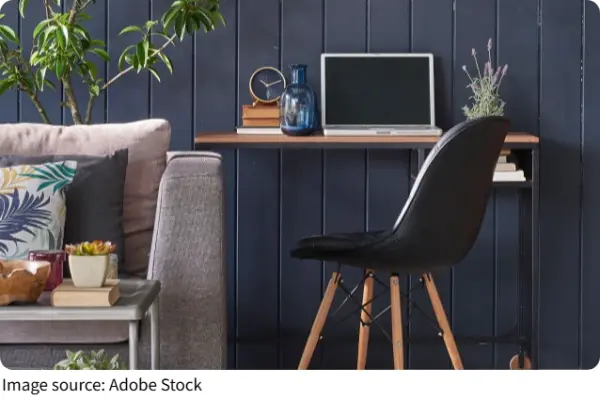
A well-designed study corner combines functionality, comfort, and organization. By making efficient use of available space and incorporating elements that support concentration, even the smallest corner can become a practical and enjoyable environment for daily study and work. Thoughtful planning, purposeful organization, and consistent design choices can transform an overlooked corner into a highly effective workspace that enhances both productivity and comfort.