Thrive in Low Light

Mason O'Donnell
| 13-05-2026
 · Lifestyle team
Walk into a north-facing room or a corner office with one small window and most plant advice just doesn't apply.
The usual "give it bright indirect light" instruction is fine if you actually have that, but plenty of spaces don't — and that doesn't mean you can't have thriving indoor plants.
It just means you need to work with what you've got, starting with understanding what low light actually means and choosing plants that genuinely suit those conditions.
Low Light Isn't No Light — Know the Difference
A common source of confusion is that a room that feels reasonably bright to you may still be too dim for many houseplants. Human eyes adapt quickly to varying light levels, so a space that seems fine to sit in might be delivering only 25 to 50 foot-candles of light—too little for most plants. True low light for plants means shaded areas, north-facing windows, spots six feet or more from any window, or rooms where the only illumination during the day is indirect. A practical test: if you can comfortably read a book in that spot without turning on a lamp, the light level is probably sufficient for a low-light-adapted plant. If you need artificial light to read, most plants will struggle there too.
Choose Plants That Actually Belong in Low Light
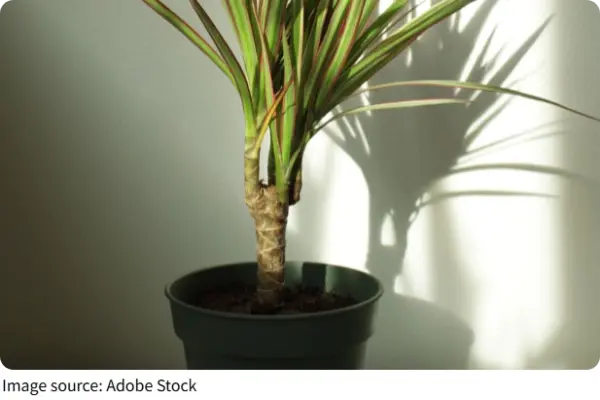
This is where most people go wrong—choosing a plant they love visually without checking whether it suits the spot. Snake plants, ZZ plants, pothos, peace lilies, and cast-iron plants are among the truly shade-tolerant options. These species evolved in the understory of forests, where the tree canopy filters most of the light—so dim indoor conditions aren’t a hardship for them; they’re basically at home. Avoid trying to force sun-loving plants like succulents, cacti, or most flowering plants into low-light corners. They’ll decline slowly but surely, no matter how attentive your care is.
Water Less Than You Would in Bright Light
In low light, plants photosynthesize more slowly, which means they use water more slowly too. Overwatering is the number one way plants die in dim conditions — the soil stays wet longer, roots sit in moisture, and rot sets in quietly. The fix is simple: always check before you water. Push your finger an inch or two into the soil. If it still feels damp, leave it. If it's dry at that depth, then water. In low-light spots, that check might reveal you only need to water every ten to fourteen days rather than every week. Use pots with drainage holes, and never let plants sit in trays of standing water.
Boost the Light Without a Full Renovation
Even a modest improvement in light goes a long way. Keeping windows clean makes a surprisingly noticeable difference — dirty glass can cut light transmission significantly. Placing plants as close to whatever light source exists as possible, rather than in the center of the room, helps considerably. Rotating the container every week or two ensures all sides of the plant get even exposure rather than leaning heavily toward the light source. If natural light is really inadequate, a small LED grow light is an affordable and practical solution — modern ones are compact, energy-efficient, and designed to fit naturally into a room without looking industrial.
Fertilize Sparingly and Clean the Leaves
Low-light plants grow more slowly than their bright-light counterparts, so they need less fertilizer. Over-feeding a slow-growing plant causes salt buildup in the soil and can burn roots. A diluted balanced fertilizer once or twice during spring and summer is genuinely enough — skip feeding in autumn and winter when growth slows further. One easy care habit that makes a real difference in dim conditions: wipe the leaves clean with a damp cloth every few weeks. Dust accumulates on leaf surfaces and physically blocks the plant's ability to absorb the limited light available. It takes two minutes and noticeably improves how the plant performs.
By adjusting fertilizer and keeping leaves dust-free, you can help low-light plants thrive even in dim conditions with minimal effort.