Kids Bloom With Nature

Owen Murphy
| 11-05-2026
 · Lifestyle team
Dear Lykkers, have we noticed how quickly children become excited when they spot colorful flowers during a walk?
A bright blossom beside a path or a tree full of petals can instantly catch their attention. Many children stop to look closely, smell the fragrance, or gently touch the leaves with curiosity.
Young children often enjoy nature but may struggle to express their feelings, saying things like “So pretty!” or “I like this!” This is a great learning opportunity—flower watching can boost observation skills, expand vocabulary, and help them express ideas more clearly during a simple outdoor walk.
Teach Children the Names of Flowers
Every flower has its own unique name, and learning those names helps children understand nature more clearly.
Instead of saying “this flower” or “that flower,” children can slowly begin using names such as tulip, magnolia, cherry blossom, lavender, jasmine, daisy, or sunflower. Once they remember these names, they start recognizing them in parks, books, movies, and gardens around the world.
We do not need to teach too many at once. During each outing, introducing one or two flowers is enough. Some public gardens include plant signs, which makes learning easier and more interesting.
When children connect names with real flowers they have seen before, their memory becomes stronger. They also begin paying closer attention to details in everyday life.
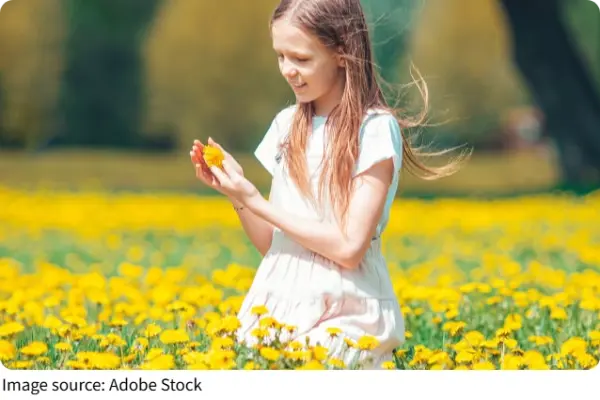
Observe How Flowers Change Day by Day
Flowers change surprisingly fast, especially during spring and early summer. Watching these changes helps children notice how nature grows over time.
At first, a branch may only have tiny green buds. A few days later, petals slowly appear. Soon after, the tree may become completely covered with colorful blossoms. Later, petals gently fall and cover the ground like soft confetti.
Returning to the same place several times allows children to compare each stage. They begin understanding that nature is always changing little by little.
We can ask simple questions during these walks:
- “Which flower opened first?”
- “What looks different today?”
- “Which tree has more blossoms now?”
- “What color changed the most?”
These conversations encourage children to observe carefully and explain their thoughts more clearly.
Discover Different Flower Shapes
Many children first notice color, but flower shapes are equally fascinating.
Some blossoms are round and soft, while others look like stars, bells, cups, or tiny suns. Once children begin comparing shapes, they often become much more interested in small details.
We can invite them to describe what they see:
- Does the flower look wide or narrow?
- Are the petals smooth or pointed?
- Does it remind them of something familiar?
A blossom might look like a lantern, a dancing skirt, or a little umbrella. These creative comparisons help children build imagination and stronger language skills at the same time.
Nature becomes much more exciting when children learn to notice these visual differences.
Expand Vocabulary Through Colors
Flowers are perfect for helping children learn richer color descriptions.
Instead of only using simple words like red or yellow, we can introduce expressions such as:
- Golden yellow
- Bright orange
- Snowy white
- Soft pink
- Deep purple
- Light cream
Children enjoy using these colorful phrases because they can immediately connect words with real objects around them.
We can also turn this into a playful activity by asking questions like:
- “Which flower shines the brightest?”
- “Which color feels calm?”
- “Which blossom reminds you of sunshine?”
These simple conversations encourage children to use longer and more expressive sentences naturally.
Enjoy the Fragrance of Nature
Not every flower attracts attention through appearance alone. Some small blossoms may look simple but carry a gentle fragrance that fills the air.
During outdoor walks, we can encourage children to pause for a moment and notice different scents around them. Some flowers smell sweet, while others feel fresh or light.
This teaches children that nature can be explored through many senses, not only through sight.
Instead of simply saying “It smells nice,” children may slowly begin using richer descriptions like:
- Fresh
- Soft
- Sweet
- Light
- Relaxing
These sensory experiences help them communicate feelings more clearly in daily life.
Connect Flowers With Poems and Stories
Flower walks become even more meaningful when we connect them with stories, poems, or simple nature writing.
Many short poems describe blossoms, spring air, sunshine, and gardens in a beautiful and easy-to-understand way. Reading a few lines outdoors can help children imagine scenes more vividly.
We can also encourage children to create their own descriptions:
- “What does this flower remind you of?”
- “If this blossom could talk, what would it say?”
- “Which flower would you like to draw later?”
These activities help children practice speaking naturally while developing creativity and confidence.
Small Nature Moments Can Build Big Skills
Dear Lykkers, children learn best through real experiences. A peaceful walk among flowers may seem simple, yet it can quietly improve observation, imagination, communication, and curiosity.
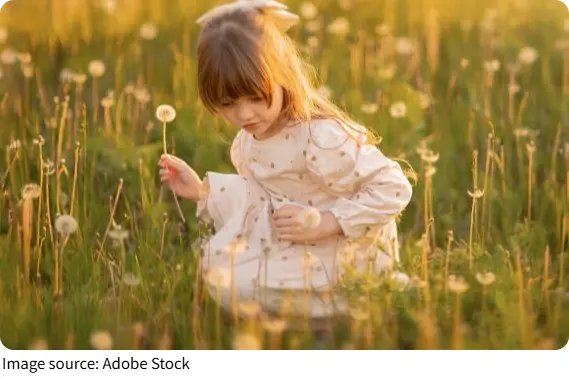
When we guide children to notice names, shapes, colors, scents, and seasonal changes, we give them more ways to understand and describe the world around them.
Next time we visit a park, garden, or outdoor path, let us slow down together and enjoy the beauty around us. A small blossom may inspire wonderful conversations and help children express themselves with greater confidence and joy.