More Than Just a Seat

Pankaj Singh
| 08-05-2026
 · Lifestyle team
A retro chair has a way of changing the mood of a room without trying too hard.
One piece placed in the right corner can shift the entire atmosphere—suddenly things feel warmer, a bit more personal, and less “standard showroom.”
It's not just about sitting; it's about character, shape, and the story a design seems to carry with it.
What “retro” really means in design
In furniture, “retro” usually refers to styles inspired by past decades, especially mid-century design. Clean lines, simple geometry, and functional shapes are key features. Instead of heavy decoration, the focus is on proportion and structure.
A typical retro chair often uses a mix of materials—wood frames paired with fabric or leather seating. The wood is usually visible, not hidden, which gives the piece a more honest, natural look. That balance between simplicity and warmth is what makes it stand out even today.
Unlike overly complex modern pieces, retro designs don't try to do too much. They feel intentional but not crowded.
Why people still choose retro chairs
One reason is flexibility. A retro chair can fit into many different spaces without clashing. In a minimalist room, it adds warmth. In a more decorated space, it brings structure and balance.
Another reason is durability. Many retro-inspired designs are built with solid frames and long-lasting materials. Even when styles change, the basic structure remains relevant.
There's also a visual comfort factor. The shapes are familiar without feeling outdated. Rounded edges, angled legs, and open frames create a sense of lightness that doesn't overwhelm a room.
Key design elements to notice
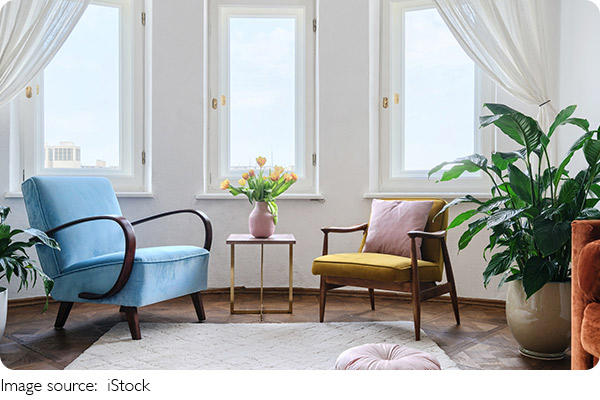
Retro chairs often rely on a few signature details:
• Tapered legs that make the chair feel lighter
• Slightly angled backrests for a relaxed seating position
• Natural wood finishes that show grain texture
• Neutral or earthy fabric tones
These elements work together to create a balanced look. Nothing feels overly sharp or overly soft—it sits somewhere in between.
Even small details, like stitching patterns or frame joints, are often left visible rather than hidden. That honesty in design is part of the appeal.
How to place it in a room
A retro chair works best when it has space to “breathe.” Placing it near a window, beside a reading lamp, or in a quiet corner often brings out its character.
It can also be used as a contrast piece. For example, in a modern room with sleek furniture, a retro chair adds texture and breaks the visual uniformity in a good way.
Pairing it with a small table or a soft rug can make the setup feel more complete without overcomplicating the layout.
When placing a retro chair, consider its profile silhouette. Because these chairs often have beautiful angled backs, they shouldn't always be pushed flat against a wall. Placing a chair at a 45-degree angle to a corner allows the viewer to see both the sculptural side profile and the inviting front. To make it a functional 'nook,' follow the 'Rule of Three': pair the chair with a low-profile side table and a source of 'directional task lighting' (like a floor lamp with a brass finish) to anchor the vignette.
Choosing the right one
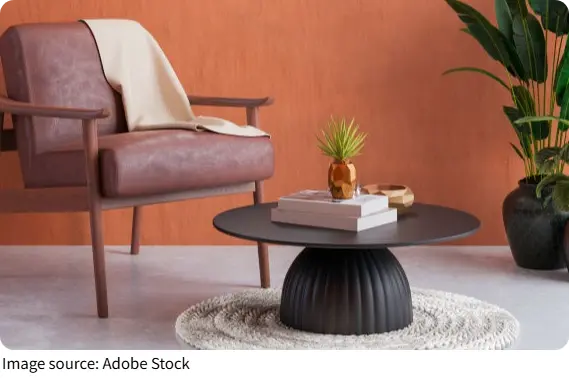
Beyond the wood, consider the weave of the fabric. A 'nubby' bouclé or a heavy tweed adds a 3D texture that catches the light differently than flat cotton. If you are opting for leather, look for top-grain leather that will develop a 'patina'—a natural aging process that makes the chair look better as it gets older. Finally, check the seat-to-floor height; retro designs often sit lower to the ground than modern standard chairs ($15$ to $17$ inches versus the modern $18$ inches), which encourages a more relaxed, conversational posture.
Why it still matters today
Retro chairs continue to stay relevant because they focus on fundamentals. They're not chasing trends; they're built on proportions that naturally feel good to the eye and body.
In a way, they remind us that good design doesn't always need reinvention. Sometimes, it just needs to stay true to its original idea.
In the end, a retro chair isn't just furniture—it's a quiet design statement that fits into modern life without trying to dominate it.