Mount Isa: Outback, Unpacked
Mukesh Kumar
| 29-04-2026
 · Travel team
Friends, ready for big-sky days and red-earth horizons? Mount Isa puts Queensland’s outback on your doorstep: living mines, fossil stories, desert lakes, and road trips to gorges that look painted.
Here’s a practical, no-fuss guide with times, costs, and transport so your schedule stays tight and your days feel wide open.
Getting there
Fly into Mount Isa Airport (ISA) from Brisbane, Townsville, or Cairns. Taxis to the CBD cost roughly AU$20–$30; most hotels are a 10–15-minute ride. Car hire is ideal for side trips—expect AU$90–$140/day for a standard SUV, more for high-clearance 4WDs. Trains and coaches connect via Townsville, but schedules are sparse in the outback.
Where to stay
Townside (east of the Leichhardt River) holds most hotels, motels, and dining. Mid-range rooms run AU$140–$220/night; motels average AU$90–$140. Holiday parks offer cabins (from AU$110) and powered sites (AU$30–$60). Book early for August’s Mount Isa Rodeo—rooms can sell out months ahead.
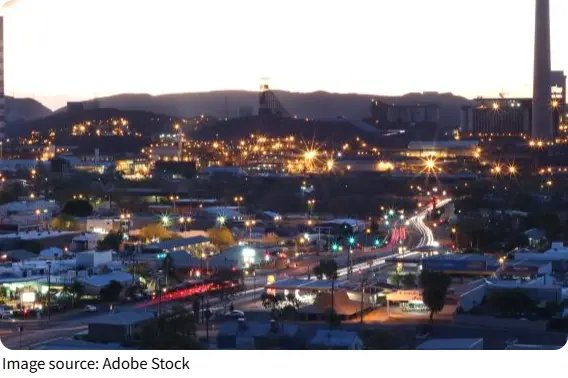
Outback at Isa
Start at this all-in one complex: visitor info, regional gallery, Isa Experience, Riversleigh Fossil Centre, and landscaped Outback Park. Allow 2–3 hours. Combo tickets are usually AU$30–$45, concessions available. The Isa Experience layers mining history with Kalkadoon culture; the park’s waterfall and native plants are a calm breather between exhibits.
Mine tour
The Hard Times Mine Tour (inside Outback at Isa) is hands-on and underground. Tours generally run daily; budget ~2.5 hours. Tickets are commonly AU$65–$85, minimum age applies; closed shoes required (safety gear provided). You’ll ride the cage, handle equipment, and learn how tunnels are drilled and mucked—no fluff, just gritty, engaging detail.
Fossil stories
The Riversleigh Fossil Centre delivers a smart, interactive take on World Heritage sites north of town. Plan 60–90 minutes; entry is often AU$20–$25 or included in a combo. Expect ambient soundscapes, touchscreens, and real specimens tracing 25 million years of uniquely Australian evolution.
Underground hospital
Carved into a hillside during 1942, the Underground Hospital & Museum shows how a full facility—wards, theatre, delivery room—was prepared below ground. Guided visits take ~45–60 minutes; tickets are typically AU$12–$18. Cool interiors and original equipment make this a memorable, family-friendly stop.
City views
Mount Isa Lookout (near the rodeo grounds) is free, easy, and spectacular at golden hour. Bring water and a hat; there’s minimal shade. Interpretive signs point to landmarks and distant cities—a neat photo op to cap the day.
Lake Moondarra
A 15–20-minute drive north delivers you to a tranquil reservoir framed by ochre hills. Pack a picnic; there are shelters, BBQs, and grassy patches. No entry fees. Fishing (often for barramundi) is popular—check local catch limits. Sunset at the water’s edge is a local favorite.
Lake Moondarra
Telstra Hill
East of town off the Barkly Highway, this unsigned lookout (recognizable by the telecom tower) rewards sunrise or sunset climbs. Park at the base and walk the old access road—no facilities, no shade, and no fee. Wear sturdy shoes; the view across Isa and the ranges is worth the effort.
Family cool-off
Splashez Public Pool offers shade sails, a 50-m pool, a kids’ pool, and a playful splash zone. Entry is budget-friendly (commonly AU$4–$7). There’s a simple café and BBQ areas—an easy half-day when temps spike.
City tour
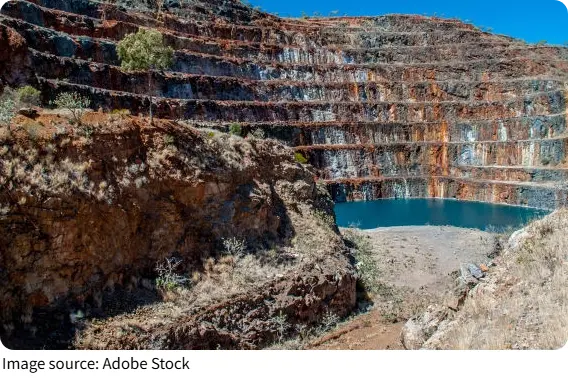
Short on time? A 2-hour interpretive coach tour (often AU$30–$50) covers Casa Grande, the original open-cut pit, smelter views, railway history, and local flora. Air-conditioning and commentary make it a smart first-day overview in summer.
Mary Kathleen
About 60 km east, this rehabilitated former uranium town and open-cut site is a moody, photogenic detour. Free to visit; high-clearance vehicles recommended after rain. Pack water and sun protection—there’s no shade, and facilities are minimal. Overnight camping is permitted in designated areas (check current guidance).
Lawn Hill Gorge
Boodjamulla National Park is a long but iconic day or overnight trip (allow 5–6 hours’ drive each way via mixed road conditions; a 4WD is sensible). Guided day tours run ~AU$250–$350 including transfers, canoe hire, and walk time. Expect towering red cliffs, spring-fed creeks, and jade-colored water perfect for paddling. Bring cashless payments, extra fuel, and plenty of water.
Riversleigh fields
If you’re already heading to Boodjamulla, add Riversleigh’s public Site D. A short signed walk reveals fossil-rich limestone and interpretive panels. No entry fee, but conditions can be hot and exposed—hat, sunscreen, and 2+ liters of water per person are non-negotiable.
Practical eats
Mount Isa’s staples are hearty and affordable. Expect AU$15–$22 for mains at casual spots, AU$8–$12 for bakery pies, rolls, and salads, and AU$4–$6 for espresso or cold drinks. Many cafés close mid-afternoon; plan earlier lunches on road-trip days and carry snacks plus a cooler in the car.
When to go
Dry season (May–September) brings clear days, cool nights, and friendlier driving. Summer (October–March) can exceed 40°C with storms; schedule outdoors at dawn and late afternoon. Always carry extra water, a paper map (signal can drop), and let someone know your route on remote drives.
Conclusion
Mount Isa is best when you mix one “mind-blown” experience (mine tour or fossil centre), one water moment (Moondarra), and one horizon chase (a lookout or Telstra Hill)—then, if time allows, graduate to Boodjamulla. Which trio would anchor your first visit: machines, fossils, and sunset; or lake, city history, and an early-morning road run?