Milan: Style, Stone, Speed

Owen Murphy
| 30-04-2026
 · Travel team
Milan, the pulsating heart of Northern Italy, stands as a global beacon of design, history, and architectural grandeur. Far more than just a financial hub, the city offers a sophisticated tapestry of Roman ruins, Renaissance masterpieces, and avant-garde urban planning.
This guide provides a curated roadmap for the discerning traveler, ensuring a seamless experience through the city's most iconic districts while providing essential budgetary data for transportation, lodging, and dining.
Quick Basics
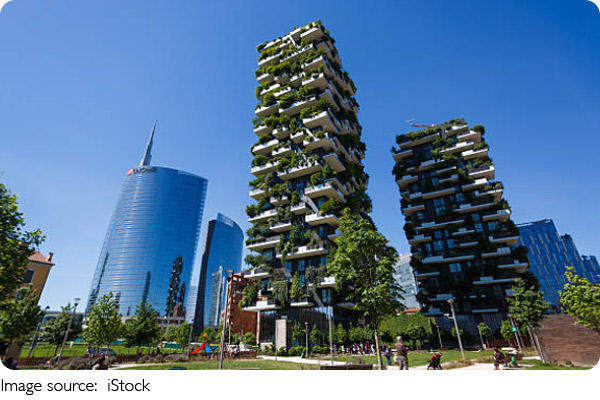
Land at Milano Centrale or Malpensa and ride the Malpensa Express to Cadorna or Centrale (about $15–$18, 35–50 minutes). Urban transit is simple: single rides $2–$3, 24-hour pass $8–$12. Taxis from airports run $110–$130 fixed from Malpensa; rideshares vary. Best areas to stay: Centro Storico/Brera (walk to major sights), Navigli (canals, dining), Porta Nuova/Isola (modern skyline).
Galleria Glow
Step into Galleria Vittorio Emanuele II, a 19th-century glass-vaulted arcade linking the main square to La Scala. Window-shop luxury names, then refuel with espresso and a pastry ($4–$8) under mosaic floors and a soaring dome. Free to enter; go early for photos without crowds or at dusk for golden light.
Castle & Park
At Castello Sforzesco, red-brick walls open to courtyards and small museums—sculpture, furniture, musical instruments. Combined museum tickets usually $6–$12; plan 1.5–2 hours. Exit into Parco Sempione for lakeside paths, playgrounds, and lawns perfect for a picnic (grab focaccia or panzerotti nearby for $4–$7).
Sforzesco Castle
Skyline Lift
Ride the elevator up Torre Branca in Parco Sempione (10 minutes round trip; typical fee $7–$10). On clear days you’ll spot the city’s grid, the modern towers at Porta Nuova, and distant peaks. Lines are shortest on weekday afternoons.
Opera Magic
Teatro alla Scala pairs a compact museum—costumes, set models, composer memorabilia—with glimpses of the plush auditorium when rehearsals allow. Museum entry is usually $13–$20. Performance tickets range widely ($30–$200+); book early if a show is a must. Dress smart-casual and arrive 30 minutes early for ease.
Design Brainfood
Explore the Leonardo da Vinci Museum of Science and Technology: models of visionary machines, space and transport halls, and hands-on zones for kids. Expect 2–3 hours; tickets generally $12–$15. Weekend mornings are busiest—arrive at opening time.
Masterpieces Hub
Art lovers shouldn’t miss the Pinacoteca di Brera, home to Renaissance and Baroque highlights in an elegant palazzo. Admission $16–$20; audio guides about $6. Pair the visit with a stroll through Brera’s cobbled streets lined with artisan boutiques and small galleries.
Old-World Square
Piazza dei Mercanti condenses centuries into one atmospheric courtyard of arcades and stone façades. It’s a calm counterpoint to the main square and a perfect five-minute detour between shopping and museums—free, photogenic, and rarely crowded.
Ancient Finds
The Civico Museo Archeologico reveals Milan’s ancient layers through sculpture, mosaics, and city models. Entry $6–$10; plan 60–90 minutes. Nearby streets hide remnants of Roman walls set into modern buildings—worth a short wander.
Canal Meander
Follow the Naviglio Grande at sunset: indie studios, vintage shops, and trattorie spill onto the towpath. Dinner sets $18–$30 (pasta, risotto, seafood); gelato $3–$5. Weekend craft markets pop up seasonally—bring small cash for stalls. Start at Porta Genova and wander south for the best photo loop.
Stadium Pilgrimage
Sports fans can tour San Siro Stadium to see the stands, locker rooms, and tunnel ($25–$35; 60–90 minutes). Match-day tickets vary by team and seat ($35–$180+). Metro plus a short tram ride is simplest; arrive early to avoid crowds.
Fashion Essentials
Browse the Quadrilatero d’Oro for high-end window-shopping and rotating displays. For budget finds, check Corso Buenos Aires, Via Torino, or outlet stores. Take-home favorites include Milanese leather goods, stationery, and minimalist jewelry ($30–$150 for quality small items).
Eat Smart
Classic flavors without splurging: panzerotti $4–$6, slice-shop pizza $4–$7, saffron risotto $14–$22, seafood pasta $16–$26. Breakfast is light—coffee and pastry—while lunch menus with drink and side cost $12–$18. Many restaurants add a coperto (cover charge) of $2–$4 per person.
Stay Zones
- Centro Storico / Brera: short walks, higher rates (midrange $160–$240; luxury $350+).
- Navigli: nightlife and boutique stays (midrange $140–$210).
- Porta Nuova / Isola: sleek towers, strong transit (midrange $130–$200).
- Centrale: train access and good value (budget $30–$60 for dorms; hotels from $110).
Time Savers
Book tickets online where possible; carry a compact umbrella year-round. Shops often close midday on smaller streets. Tap-to-pay works widely, but keep $20–$40 cash for markets and cafés. Spring (April–June) and fall (September–October) offer mild weather and softer light for photos.
Milan is a city that rewards those who look beyond the surface. By balancing the grandeur of the Duomo with the quiet charm of the Brera backstreets and the modern energy of the Navigli canals, travelers can experience a multifaceted metropolis that remains deeply rooted in tradition. Whether visiting for the world-class art or the unparalleled design scene, Milan offers a refined European experience that is both efficient and profoundly inspiring.