Bow Bridge

Owen Murphy
| 28-04-2026
 · Travel team
Spanning the shimmering waters of the Lake in Central Park, Bow Bridge stands as a masterpiece of Victorian design and a serene sanctuary within the urban pulse of Manhattan. As one of the most photographed and beloved landmarks in New York City, this graceful cast-iron arch offers a rare intersection of historical grandeur and natural beauty.
Whether framed by the vibrant blossoms of spring or the golden hues of autumn, the bridge serves as a timeless stage for romantic proposals, peaceful morning strolls, and breathtaking panoramic views of the city skyline. It is not merely a crossing point, but a destination that captures the very soul of the park’s landscape.
Visitors often find themselves lingering at the balustrade, captivated by the way the sunlight dances off the water and the surrounding willow trees. The bridge acts as a silent witness to the city's changing seasons, offering a sense of continuity in a metropolis that never stops moving. For those seeking a moment of clarity, the gentle curve of the arch provides a literal and metaphorical bridge away from the noise of the streets. It remains an essential pilgrimage for anyone wishing to experience the romantic heart of New York as it was envisioned over a century ago.
Bow Bridge
The History of Bow Bridge
Bow Bridge was completed in 1862 and is one of the oldest cast-iron bridges in the United States. Designed by the architectural firm of John A. Roebling and Sons, the bridge is famous for its distinctive, graceful arch, which spans across the picturesque lake in Central Park. It's a symbol of Victorian-era design and engineering, and it remains a stunning example of the city's architectural heritage.
Over the years, Bow Bridge has played a prominent role in both New York City's history and culture. It was originally built as part of the park's extensive landscape design by Frederick Law Olmsted and Calvert Vaux, who envisioned the bridge as a peaceful, romantic crossing that would enhance the park's scenic beauty. Today, it is one of the most photographed spots in Central Park, admired for its stunning design and panoramic views.
Architectural Features and Design
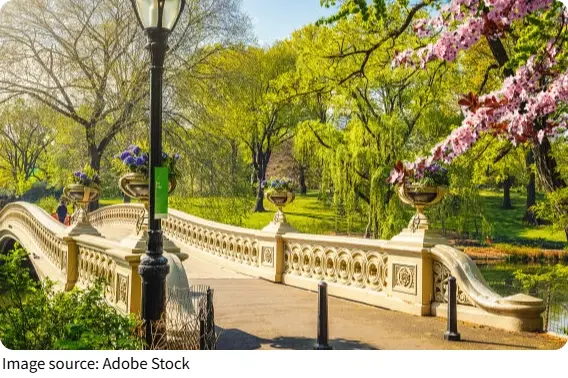
Bow Bridge's elegant, bow-shaped arch is a prime example of Victorian cast-iron architecture. The design allows for a sweeping view of the lake and the surrounding landscape, making it a focal point of Central Park. The bridge is 60 feet long and features delicate ornamental details along the railings, with intricate floral patterns that add to its charm.
The bridge's graceful curves provide a perfect reflection on the water below, especially on calm days when the lake mirrors the architecture. Its design is not only visually appealing but also functional, providing a scenic and pedestrian-friendly crossing between the two areas of the park.
What to Do at Bow Bridge
Bow Bridge is much more than just a crossing point; it offers several activities and opportunities for relaxation, photography, and exploration. Here are some of the best ways to enjoy your visit to Bow Bridge:
• Photography and Sightseeing: The bridge offers some of the most stunning views in Central Park. Whether you're capturing the bridge itself, the surrounding lake, or the distant skyline of Manhattan, Bow Bridge is a photographer's dream. The view from the bridge is particularly breathtaking during sunset, when the golden hour casts a magical glow across the park.
• Tip: Visit early in the morning for peaceful shots without the crowds or at sunset for a perfect blend of natural beauty and soft lighting.
• Boat Rentals: From the waters below Bow Bridge, you can rent rowboats or take a relaxing gondola ride across the lake. This is a great way to experience the bridge from a different angle and enjoy the surrounding scenery from the water.
• Cost: Rowboat rentals typically cost around $15 per hour.
• Take a Romantic Walk: As one of the most romantic spots in Central Park, Bow Bridge is often the setting for proposals, anniversaries, and other special moments. You can take a leisurely walk across the bridge while enjoying the stunning views of the park's lake, gardens, and surrounding areas.
• Tip: If you're visiting with a partner, it's the perfect spot for a romantic photo op or a peaceful moment together.
Best Time to Visit Bow Bridge
While Bow Bridge is a lovely sight year-round, each season offers a unique experience that makes visiting at different times of the year worthwhile.
• Spring and Summer: These seasons bring lush greenery and vibrant flowers, with the surrounding landscape in full bloom. The weather is perfect for a leisurely stroll across the bridge or a boat ride on the lake.
Tip: Spring and summer evenings are often the best time to visit Bow Bridge, as you can catch the sunset and enjoy a peaceful atmosphere.
• Fall: The fall season transforms Central Park with vibrant autumn foliage. Bow Bridge becomes even more enchanting, with the colorful leaves creating a beautiful backdrop for photos.
Tip: Bring your camera and capture the stunning fall colors reflected on the water below the bridge.
• Winter: In winter, Bow Bridge takes on a serene, quiet beauty. The park's snow-covered landscape and the crisp air make for a peaceful and almost magical experience.
Tip: The bridge is particularly stunning when covered with snow, offering a winter wonderland look perfect for photography.
Getting to Bow Bridge
Bow Bridge is located in the central part of Central Park, making it easily accessible from various entry points. Whether you're arriving by subway, bus, or taxi, getting to Bow Bridge is simple and convenient.
• By Subway: The closest subway stations to Bow Bridge are the 59th Street/Columbus Circle station (A, B, C, D, and 1 trains) or the 72nd Street station (B and C trains). Both are within walking distance to Central Park's entrances.
• Cost: $2.75 per subway ride.
• By Bus: Several bus lines pass near Central Park, including the M1, M2, and M3, which stop close to the bridge.
• Cost: $2.75 per bus ride.
• By Taxi or Rideshare: You can also reach Bow Bridge by taxi or rideshare services like Uber or Lyft.
• Cost: Depending on your starting location, a taxi or rideshare to the park may cost between $10–$15.
Where to Stay
Staying near Central Park allows you to visit Bow Bridge during the peaceful early morning hours.
• Budget/Mid-range: Hotels on the Upper West Side (like Hotel Beacon) offer great value. Cost: $180–$300 per night.
• Boutique Luxury: The Empire Hotel near Columbus Circle offers stylish stays. Cost: $350–$500 per night.
• Iconic Grandeur: For a legendary New York experience, The Plaza or The Ritz-Carlton Central Park are unmatched. Cost: $700–$1,200+ per night.
Where to Eat Near Bow Bridge
If you're feeling hungry after visiting Bow Bridge, there are several great places nearby where you can grab a bite to eat.
• The Loeb Boathouse: Located just a short walk from Bow Bridge, The Loeb Boathouse offers delicious meals with beautiful views of the lake. Enjoy a nice meal on the patio while watching rowboats pass by.
• Cost: Main dishes typically range from $25–$40.
• Central Park Food Carts: For a quick snack, there are plenty of food carts scattered throughout Central Park. Enjoy a pretzel or ice cream while taking in the views.
• Cost: Snacks typically cost $3–$7.
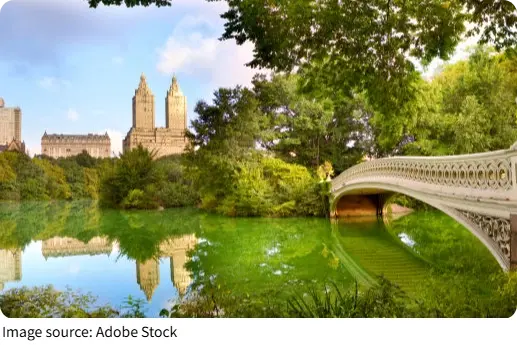
Bow Bridge is far more than a triumph of 19th-century cast-iron engineering; it is a living symbol of New York City’s ability to preserve beauty amidst constant change. To stand upon its arch is to experience a perfect harmony between the structured elegance of the past and the organic splendor of the present, where the steel skyline of Manhattan meets the soft ripples of the lake. As you look out over the water, watching the rowboats glide beneath you, you are reminded that the most profound travel experiences often come from these moments of quiet reflection and shared history. This iconic crossing invites you to slow down, breathe in the park's fresh air, and witness the poetic side of the "City That Never Sleeps."
Whether you are a first-time visitor or a lifelong New Yorker, the bridge offers a new perspective with every visit, whispering stories of the millions who have crossed it before you. No journey through Manhattan is truly complete without surrendering to the timeless allure of this legendary landmark, which remains the absolute crown jewel of Central Park.